Solomon Islands Diving: Your Guide to Remote Clownfish Encounters
Introduction
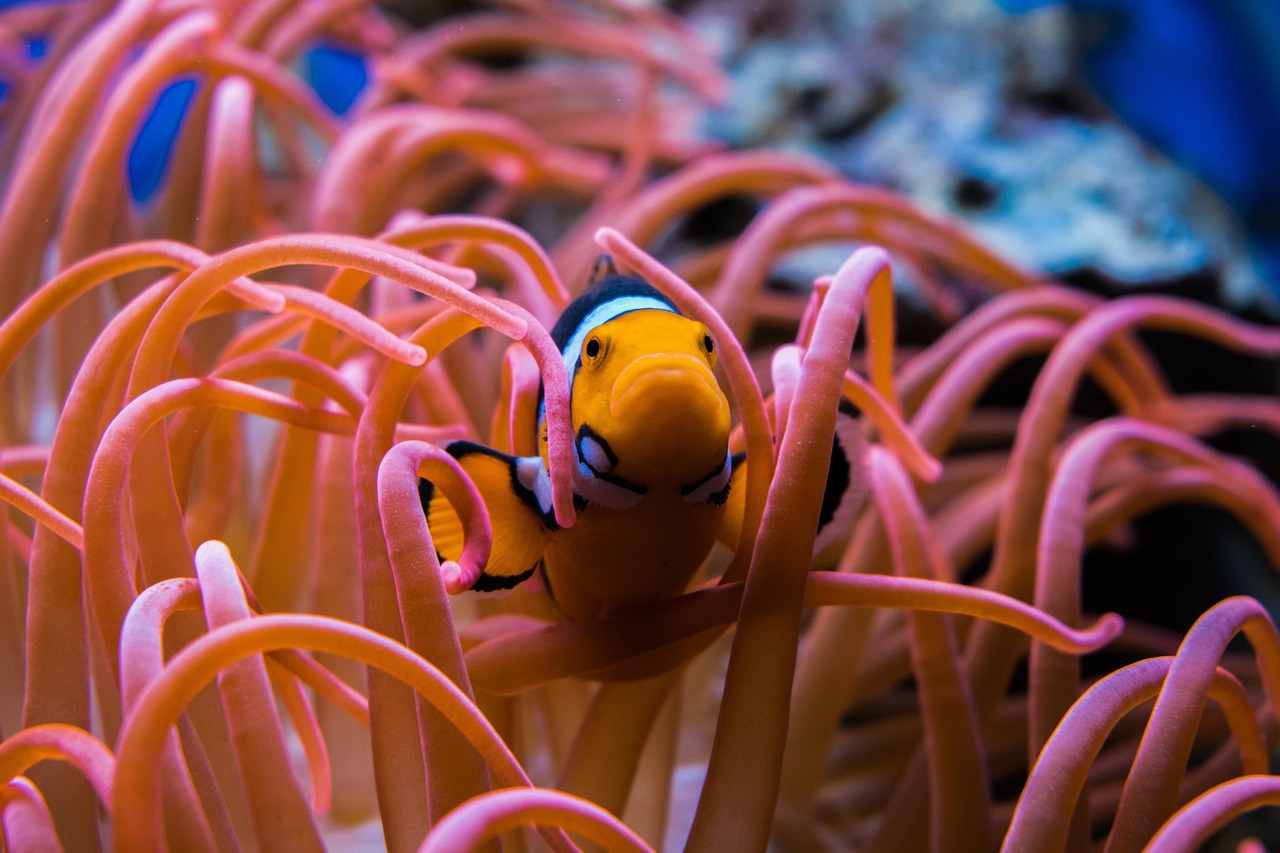
If you’re planning a dive trip to see wild clownfish in their natural habitat, the Solomon Islands should be at the top of your list. This is not another crowded reef in Thailand or the Philippines. It’s remote, pristine, and the anemonefish here are as bold and colorful as you’ll find anywhere. Solomon Islands diving clownfish encounters are a different experienceâfewer divers, healthier reefs, and a genuine sense of exploration. This article is for the diver who wants practical planning advice, not just pretty pictures. You’ll find best dive sites, logistics, gear recommendations, and common mistakes to avoid. No fluff. Just what you need to make this trip happen.

Why the Solomon Islands for Clownfish Diving?
The Solomon Islands sit right in the Coral Triangle, the global epicenter of marine biodiversity. That alone sets it apart. But what really makes it special for clownfish enthusiasts is the combination of healthy anemone gardens and low diver traffic. In places like Munda or Gizo, you can spend an entire dive hovering near a single anemone without another diver in sight.
You’ll find multiple species of anemonefish here, including some that are less common in more frequently dived areas. The endemic Solomon Islands anemonefish (a variant of Amphiprion chrysopterus) is a highlight. The reefs are also less damaged by bleaching events compared to some other Pacific regions, so the host anemones are bigger and healthier.
This isn’t a destination for divers looking for easy, all-inclusive resort diving with busloads of tourists. It’s for people who want to see marine life as it should beâuntouched and abundant. The tradeoff is that you’ll need to plan carefully and accept some logistical challenges. But the payoff is absolutely worth it.
The Best Regions for Clownfish Encounters
Not all parts of the Solomon Islands are created equal when it comes to clownfish. Here’s where you should focus your planning.
Munda & New Georgia
Munda is the most accessible region for land-based diving. The famous ‘Pavilion’ dive site here is a reliable spot for finding large colonies of orange clownfish in giant carpets of anemones. Visibility typically ranges from 15-30 meters, and water temps hover around 28-30°C year-round. The current can pick up, but it’s manageable for intermediate divers.
Gizo
Gizo offers a mix of wreck and reef diving. The Gizo Harbor wrecks often have clownfish living in the coral growth on the structures. This is a good option if you want to combine history with anemonefish. Visibility is generally good but can drop after heavy rain. Plan for 4-5 days here to cover the best sites.
Uepi Island
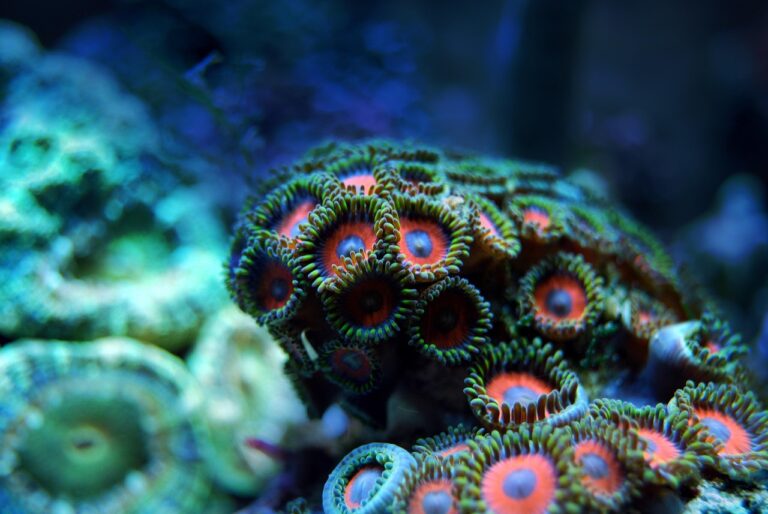
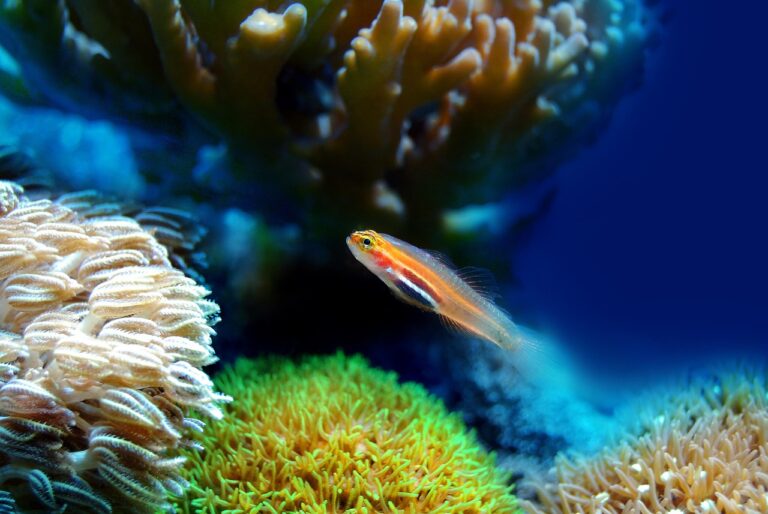
Uepi sits at the entrance to Marovo Lagoon, a UNESCO World Heritage candidate. The reef here drops into deep water quickly, creating walls covered in soft corals and anemones. If you want to see clownfish eye-to-eye, this is the spot. The protection of the lagoon means calmer conditions, ideal for photographers who need stable platforms. Most dives are drift-style, so a reef hook is useful.
Marovo Lagoon
The lagoon itself offers sheltered, clear-water sites with abundant anemone gardens. It’s less visited than Munda or Gizo, so you’ll often have sites to yourself. Liveaboard trips are the best way to access these remote spots, but there are a handful of eco-resorts on islands within the lagoon. Water temps are slightly cooler at 26-28°C in the deeper channels.
Species You Can Expect to See
You won’t just see Nemo. The Solomon Islands host multiple species, and knowing what to look for will help you plan your shots or simply enjoy the diversity.
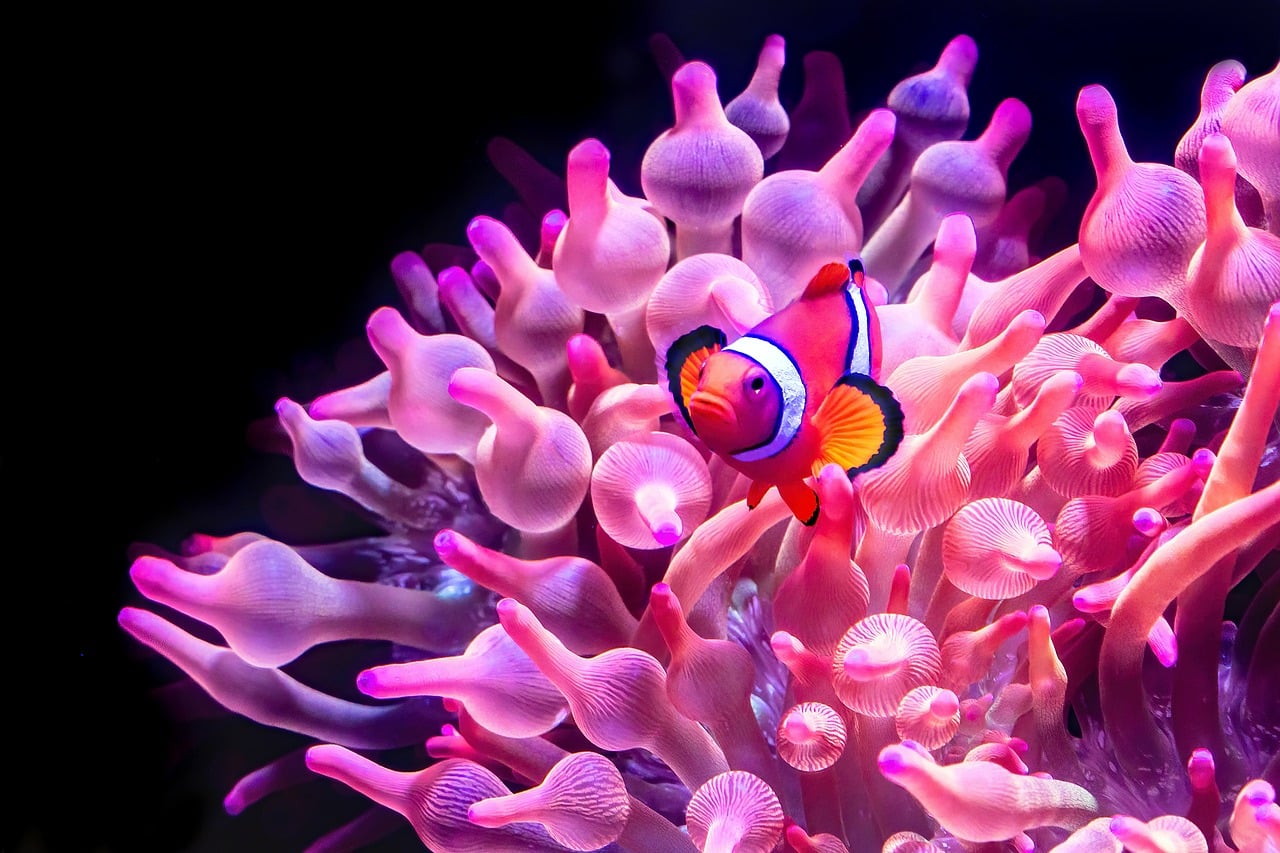
- Orange Clownfish (Amphiprion percula) â The classic ‘Nemo’ look. Found in Munda and Uepi, typically in large Heteractis magnifica anemones. Depth: 1-12 meters.
- Clark’s Anemonefish (Amphiprion clarkii) â Very common, adaptable, and found in almost any anemone species. Depth: 1-20 meters.
- Tomato Clownfish (Amphiprion frenatus) â Bright red-orange, usually solitary or in pairs. Prefers Entacmaea quadricolor anemones. Depth: 3-15 meters.
- Skunk Clownfish (Amphiprion akallopisos) â Pale orange with a white stripe down the back. Found on deep sandy slopes near Stichodactyla anemones. Depth: 10-25 meters.
- Solomon Islands Anemonefish (Amphiprion chrysopterus) â A regional variant with dark brown body and bright yellow tail. Depth: 5-20 meters. Often in Heteractis crispa.

How to Get There: Travel Logistics for Divers
Getting to the Solomon Islands with dive gear requires careful planning. Here’s the process.
International Flights
Fly into Honiara International Airport (HIR). The most common routes are from Brisbane (Australia), Nadi (Fiji), or Port Moresby (Papua New Guinea). Flights are limited, so book early, especially during peak season (May-October).
Domestic Connections
From Honiara, you’ll need a domestic flight to either Munda (MUA) or Gizo (GZO). These are small prop planes operated by Solomon Airlines. Check-in luggage is strictly enforcedâusually 16 kg total, including dive gear. This is critical: your main dive bag will almost certainly exceed this limit. You’ll need to pay for excess baggage, which can cost $5-10 per kg each way. Alternatively, bring a lightweight dive gear bag and pack strategically. A decent mesh gear bag that weighs nothing and compresses well is a smart investmentâdon’t bring a heavy roller case.
I also recommend a portable luggage scale. It saves you from surprise fees at the check-in counter. After paying $60 in excess fees for a bag that was 3 kg over, I started weighing everything at home first.
Visa Requirements
Most nationalities get a 30-day visa on arrival for $40 USD (cash only). Check current requirements before you leave.
Best Time to Dive for Clownfish Sightings
The dry season from May to October is the most reliable for diving. Water temperature sits at 27-30°C, visibility is at its best (20-30 meters), and cyclone risk is low. Clownfish are active and visible year-round, but during the wet season (November to April), heavy rain can reduce visibility dramatically, especially near river mouths and in the lagoons. December to March also see increased cyclone activity, which can disrupt travel plans. For the best balance of good weather, calm seas, and active marine life, plan your trip between June and September.
Essential Dive Gear for Remote Clownfish Diving
Having the right gear makes a real difference when you’re this far out. Here’s what I’d prioritize.
- Reef Hook (e.g., Mares Reef Hook) â Drift diving is common, and hooking onto a rock near an anemone lets you hover perfectly still for clownfish. Cheap knockoffs break; get a quality one.
- Macro Lens Kit (e.g., for Olympus TG-7) â If you want close-ups of clownfish eyes or scales, a wet macro lens is non-negotiable. The TG-7 with an underwater housing is the standard for diver photographers who don’t want a bulky DSLR setup.
- Dive Torch (e.g., High-lumen dive torch) â Many anemones are tucked under overhangs or in crevices. A torch helps you find them and reveals the clownfish’s natural colors. Also essential for night dives.
- Surface Marker Buoy (SMB) â Currents can be unpredictable, and you’ll often surface far from the boat. A bright orange or pink SMB is critical for safety. Practice deploying it before you go.
- 3mm or 5mm Wetsuit â Water temps range from 26-30°C. A 3mm full suit is fine for most dives, but bring a 5mm if you tend to get cold or plan to do many repetitive dives.
Common Mistakes Divers Make on Liveaboard Trips
I’ve seen the same mistakes play out on liveaboard trips in the Solomons. Avoid them.
1. Overpacking Gear
You don’t need four wetsuits, three pairs of fins, and every camera lens you own. Sticking to a strict baggage limit forces smart choices. Bring one set of primary gear, a backup mask and fins, and leave the rest at home. Excess baggage fees add up fast.
2. Underestimating Currents
Dive briefings often mention ‘moderate current.’ In the Solomons, that can mean 2-3 knots. If you’re not experienced with drift diving, hire a guide or stick to sites with milder conditions. A reef hook is your best friend.
3. Skipping Safety Stops
Multiple dives a day with no surface intervals is a recipe for decompression illness. I’ve seen divers get bent because they did four dives without a proper stop. Always do a 3-5 minute safety stop. Your computer will tell you. Listen to it.
4. Not Having a Backup Dive Computer
Your primary dive computer can fail. And in the Solomons, there’s no dive shop around the corner. A backup computer is relatively affordable and can save your trip. I use a simple wrist-mounted model as a failsafe. It’s cheap insurance.
Liveaboard vs. Resort-Based Diving: Which is Better for Clownfish?
This is a personal choice, and neither is universally better. Here’s how they compare.
Liveaboard options like the Bilikiki or Solomon Sea Explorer let you reach the most remote reefs. You’ll see clownfish in areas that few people ever visit. The downside? You’re on a boat for 7-10 days, which means limited privacy, a fixed route, and no easy way to sit out a dive if you’re tired. For photographers, having unlimited time at a site without having to surface is a major advantage.
Resort-based diving from places like Uepi Island Resort or Solomon Dive Adventures offers stability. You can dry your gear properly, charge batteries, and choose which dives to do. The tradeoff is that you’re limited to sites within day-boat range. But for clownfish photography, being able to return to the same anemone repeatedly at different times of day can yield better results.
If you prioritize variety and remoteness, go liveaboard. If you prioritize comfort and control over your gear and schedule, choose a resort.
Cost Breakdown: What to Budget for a Trip
The Solomon Islands is not a budget destination. But with some planning, you can avoid surprises.
- International flights: $1,200 – $2,000 round trip from Australia or Fiji.
- Domestic flights (Honiara to Munda/Gizo): $300 – $500 round trip, plus $50-100 extra for gear overweight.
- 7-day liveaboard: $3,500 – $6,000 per person, all-inclusive (meals, dives, guides, tanks).
- 8-day resort package (full board + diving): $2,500 – $4,000 per person.
- Gear rental: $30-50 per dive for a full set (tanks, weights, BCD, regulator).
- Tips: Expect to tip guides and crew $100-200 for the week.
- Hidden costs: Carbon offset fees (around $50 for round trip), domestic baggage fees, and occasional park fees.
Photography Tips for Stunning Clownfish Shots
Good clownfish photography is about patience and positioning, not expensive gear.
Get level with the anemone. Shoot from above and you’ll get a boring top-down shot. Get eye-level with the fish by hovering gently. A reef hook helps you stay steady without finning.
Use a close-focus wide-angle (CFWA) lens if you have one. It lets you get close to the anemone while including the coral background. Alternatively, a macro lens works great for tight portraits of the clownfish’s face.
Capture the eye. A sharp eye makes the image. Focus on the eye, then recompose slightly. Use single-point autofocus or manual focus if your camera struggles.
Lighting is everything. In murky water, a strobe positioned above and to the side reduces backscatter. In clear water, natural light at 5-10 meters can be enough, but a focused beam from a torch adds pop. Avoid shooting directly into the sunâthe anemone will be overexposed and the fish dark.
Be patient. Sometimes a clownfish will swim away from the anemone for a few seconds. Wait. They always come back. Spend 10 minutes at one anemone and you’ll get better shots than ten different anemones rushed.
Safety & Health Considerations for Remote Diving
Diving in the Solomons is remote. That changes everything about safety planning.
Decompression illness (DCI) is a real risk. The nearest recompression chamber is in Honiara. If you’re diving in Munda or Gizo, evacuation takes hours. Don’t push your limits. Follow your computer, stay within your training, and always do safety stops.
Dive insurance is not optional. Join DAN or a similar provider before you go. Medical evacuation costs can exceed $50,000.
Bring a basic first-aid kit for cuts, coral scrapes, and jellyfish stings. Antiseptic wipes, bandages, and an antihistamine are essential. I also carry a small bottle of vinegar in case of lionfish or stonefish stingsâit neutralizes the venom in many cases.
Heat stress is underrated. Between dives, drink water regularly. Dehydration increases DCI risk.

Packing Checklist for Remote Dives
- Dive computer (primary and backup)
- BCD (or use rental)
- Regulator (serviced before trip)
- Mask, fins, snorkel
- 3mm or 5mm wetsuit
- Reef hook
- Dive knife (for cutting monofilament or kelp)
- Surface marker buoy (SMB) with reel
- Camera setup (housing, strobe, lenses, batteries, memory cards)
- Spare mask strap (they break)
- O-rings and silicone grease (for housing maintenance)
- Luggage scale
- Dive torch
- First-aid kit
- Dive insurance card
Booking Resources & Recommendations
If you’re ready to book, here are two reliable options I’ve used personally or vetted through other divers.
- Bilikiki Cruises â The gold standard for liveaboard diving in the Solomons. They run 7- and 10-day itineraries covering Munda, Gizo, and remote reefs. The boat is comfortable, the crew is knowledgeable, and they’re serious about safety. Book directly through their website.
- Solomon Sea Dive Adventures â Based in Gizo, they offer day and multi-day dive packages. Good for resort-based divers. They also run trips to the wrecks and outer reefs.
CTA: Check availability and book directly through the operator’s website. Availability during peak season (June-September) fills up 6-12 months in advance for liveaboards.
Final Tips for a Successful Trip
The Solomon Islands is one of the last places on earth where you can dive pristine reefs with clownfish in numbers you won’t find elsewhere. But it demands planning and flexibility. Pack smart, respect the reef’s fragility, and be patient with the fish. They’ll reward you with incredible encounters. Book early, trust your equipment, and go with an open mind. This is a trip worth making.