Climate Change Clownfish Habitat: How Itâs Changing and What You Can Do
Introduction
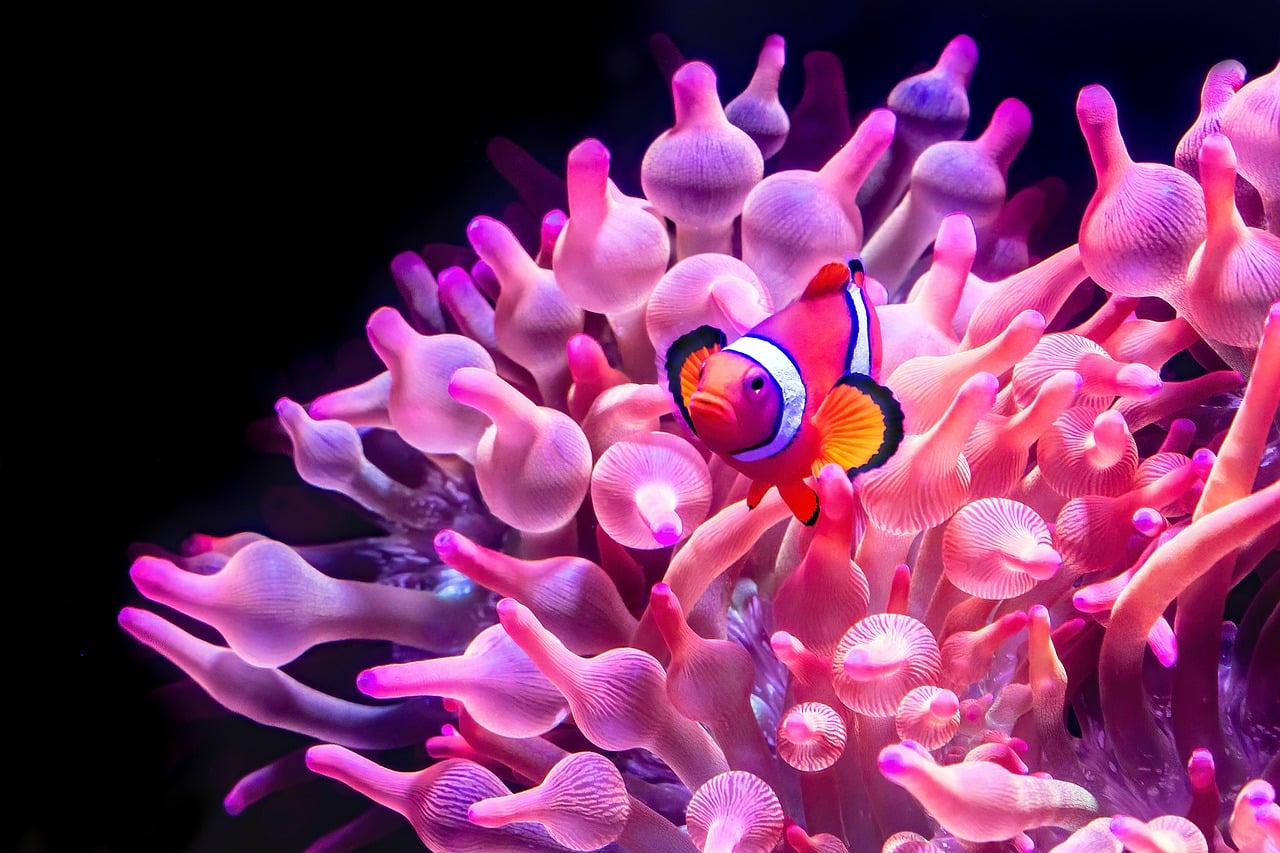
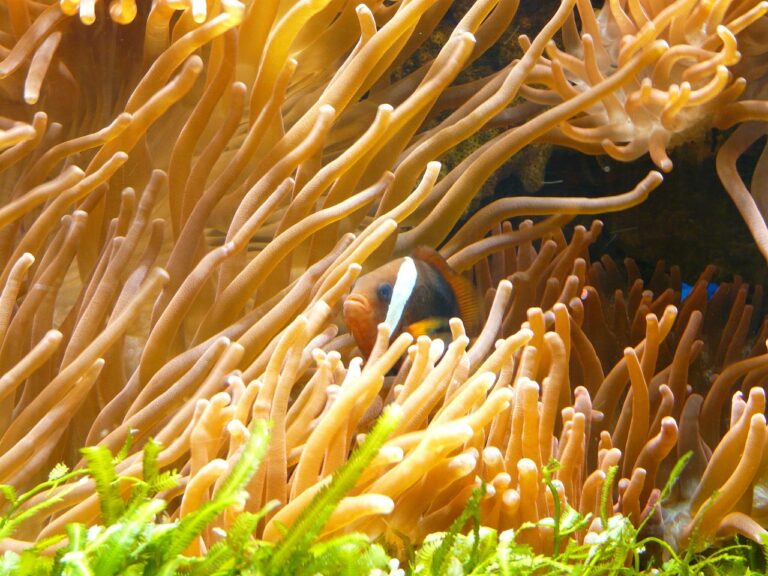
The pairing between clownfish and their anemone homes is iconic in the ocean world. But that bond is feeling the heat â literally. Rising sea temperatures, shifting chemistry, and coral loss are changing the reefs these fish rely on. Whether youâre keeping clownfish in a tank or planning to spot them while diving, whatâs happening matters.
This article covers what climate change clownfish habitat actually means. Iâll hit the science without getting bogged down, share some of what Iâve seen on dives and in my own setups, and offer steps you can take to support them â whether through gear choices, fish buying decisions, or trip planning. If you’re looking for practical info, this is where it starts.

How Rising Ocean Temperatures Stress Clownfish
Clownfish are ectotherms. Their body temperature is whatever the water around them is. When the water gets warmer, their metabolism speeds up, and they need more oxygen and energy just to get by. A steady increase of just 1â2°C can mess with their reproductive timing. I saw this firsthand on a dive in the Maldives â a reef that typically had plenty of spawning pairs in early spring had almost none. The local guide mentioned the water was about 1.5°C warmer than the five-year average. The fish were still around. They just werenât breeding.
Research backs this up. Extended heat stress reduces how often clownfish spawn. The eggs that do get laid have lower survival odds. And it goes further. Warmer water weakens their immune system, leaving them more open to disease. In a home tank, this is a quick way to lose a fish youâve spent time acclimating. Keeping temperature steady isnât a nice-to-have. Itâs essential.
The bigger issue is how heat affects the clownfish relationship with its anemone. Anemones are more sensitive to warmth than the fish. They start to bleach at lower temps and take longer to bounce back. When an anemone gets stressed, it loses its symbiotic algae, fades in color, and cuts back on mucus production. That mucus is what lets the clownfish live in the anemone without getting stung. Without it, the partnership breaks down.
If youâre putting a tank together, temperature control is a must. A good heater with a thermostat and a backup thermometer are the basics. For reef tanks, Iâd lean toward something with electronic control and a safety shutoff. A quality aquarium heater keeps things stable and avoids the swings that stress both fish and anemones.
Ocean Acidification and Its Effect on Anemones
Ocean acidification doesnât get as much attention as warming, but itâs just as real. The ocean soaks up about 30% of the COâ we pump out. That COâ turns into carbonic acid, dropping the pH. Since the Industrial Revolution, surface ocean pH has fallen by about 0.1 units. That doesnât sound like much, but pH is logarithmic. Itâs a 30% jump in acidity.
For anemones, lower pH makes it harder to build the calcium carbonate structures they rely on. A healthy anemone has firm tissue and a solid base. One thatâs acid-stressed gets softer, more brittle, and easier to tear. I kept a couple of rose bubble-tip anemones in different tanks a while back. One system had stable pH around 8.2. The other drifted down to 7.8 because the buffer was getting old. The difference was obvious. The low-pH anemone never fully expanded. It ate less. It never split. It eventually melted away.
Thatâs happening on reefs too. Wild anemones in more acidic water are smaller, less resilient, and offer worse protection. Clownfish living in them are more exposed to predators and have to work harder to find a decent host. Studies from natural COâ seeps off Papua New Guinea show clownfish are less abundant and less diverse in low-pH zones. The habitat looks okay but isnât functioning properly.
In a home tank, this is where a pH monitor becomes important. Without regular testing, youâre guessing. I use a Milwaukee Instruments pH controller on my main reef setup. It catches a 0.05 drift and logs data so I can spot issues before they escalate. A reliable pH monitor isnât a big expense for the peace of mind it gives.
Coral Bleaching: What It Means for Clownfish Habitat
Coral bleaching happens when water stays too warm for too long. The coral kicks out the symbiotic algae inside its tissues. Without those algae, the coral loses its color and its main energy source. If the heat sticks around, the coral starves and dies. A bleached reef doesnât just look dead. For many species, including clownfish, it functionally is.
I remember a dive on the Great Barrier Reef in 2016, right after a major bleaching event. The reef we hit was supposed to be one of the healthier spots. Instead, we swam over acres of staghorn coral that had turned white. It looked like a snowfield underwater. Fish were still there, but they were packed into the few healthy patches left. The clownfish we saw were in smaller, less stable anemones. They looked thin. The guide said the resident pairs had stopped laying eggs for that season.
When coral dies, the whole micro-ecosystem falls apart. The small crustaceans and zooplankton that clownfish eat lose their habitat first. Then larger predators move in, drawn by the chaos. Clownfish end up without food or places to nest. Recovery takes years, even if water temperatures drop back. Some reefs never fully come back.
In a home tank, you can replicate the worst parts of this by letting water quality slide. High nitrates, unstable alkalinity, or weak light all stress corals and anemones. If you want a reef tank that supports clownfish long-term, you need stable parameters, decent lighting, and regular water changes. Thereâs no workaround. But the right tools make it easier.

Three Common Mistakes Aquarists Make When Trying to Help
Iâve been keeping marine tanks for over a decade. Iâve made every mistake on this list at some point, and Iâve seen plenty of other hobbyists do the same. Hereâs what I see most often.
1. Buying Wild-Caught Clownfish
Wild-caught clownfish are still sold widely. Theyâre usually cheaper upfront, and you get more color variations. But collecting them puts pressure on wild populations that are already dealing with habitat loss. Wild-caught fish are harder to acclimate, more prone to disease, and more likely to die in transit. For every one that reaches a pet store, several others die during collection and shipping. Captive-bred fish are hardier, already eat prepared foods, and donât affect wild stocks. They cost a bit more, but they last longer and cause less harm. Unless you have a specific reason to go wild-caught, skip it.
2. Using Outdated Water Conditioners
The marine hobby has moved fast in recent years. Old-school conditioners that rely on sodium thiosulfate or heavy metal binders can mess with biological filtration. Some even strip trace elements that anemones need. If youâre still using the same bottle you bought years ago, itâs time to upgrade. Look for conditioners made for reef systems. Brands like Seachem and Red Sea make products that handle chlorine and chloramine without throwing off your water chemistry.
3. Ignoring Temperature Stability
Temperature swings over 2°C in a day can cause stress, suppress the immune system, and trigger disease. A cheap heater with a dial that drifts is a bad idea. Invest in something with a controller. The Eheim Jäger heater is a reliable choice. It holds within 0.5°C and has a shatterproof tube. Pair it with an Inkbird temperature controller for backup. Itâs not flashy gear, but it makes the difference between a stable tank and a problem.
Practical Gear to Maintain a Reef-Safe Clownfish Aquarium
Stable water parameters are the foundation of a healthy reef tank. Hereâs the gear I recommend from years of running tanks and keeping clownfish through heat waves, power outages, and shipping mishaps. For each piece, Iâll give a budget option and a premium option. Both work. The difference is longevity and precision.
Reliable Heater
I run Eheim Jäger heaters in all my tanks. Theyâre glass, submersible, and come in sizes from 50W to 300W. The thermostat adjusts and holds within 0.5°C. For a standard 40-gallon reef, a 150W unit works. Budget option: Aqueon Pro. Itâs sealed, has a shatter-resistant casing, and decent accuracy. There are better options, but itâs a solid starting point.
pH Monitor
I use a Milwaukee Instruments MW102 pH meter. Itâs handheld with automatic temperature compensation and a replaceable probe. It reads to 0.01 pH, good enough for reef keeping. For continuous monitoring, the Milwaukee MC122 controller plugs into your heater or dosing pump. Budget option: a basic liquid test kit from API. Less precise, but it catches major issues.
Protein Skimmer
A good skimmer pulls out organic waste before it turns into nitrates. For a 40â60 gallon tank, the Reef Octopus Classic 110 is reliable and easy to clean. For smaller tanks, the Eshopps Nano fits tight spaces. Budget option: the Coralife Super Skimmer. Itâs finicky to adjust but works.
LED Lighting for Coral Growth
If you want to keep anemones or corals, you need light that supports photosynthesis. The AI Hydra 32 is my go-to for tanks up to 36 inches wide. Itâs programmable with separate channels for blue and white LEDs and can simulate sunrise and sunset. Budget option: the Nicrew HyperReef. Not as powerful or customizable, but it keeps soft corals and anemones healthy.
All this gear is on Amazon. Iâve linked the models I use. Prices vary, but spending a bit more upfront saves money later. Cheap heaters fail. Cheap lights donât grow corals. Cheap skimmers produce wet skimmate. Spend once, spend right.
How to Choose Between Wild-Caught and Captive-Bred Clownfish
This is probably the most impactful choice a hobbyist can make for clownfish conservation. Captive-bred clownfish are raised entirely in aquaculture facilities. Theyâve never seen a reef. They eat flake food and frozen mysis from day one. Theyâre less stressed by tank life, more resistant to diseases like Brooklynella, and far less likely to die during acclimation. They also come in designer morphs â snowflake, mocha, platinum, black ice â that you wonât find in the wild.
Wild-caught clownfish are pulled directly from reefs, usually with nets and sometimes chemicals. The collection process is tough on them. They arrive at the store stressed, often skinny, and frequently carrying parasites. They need quarantine, careful feeding, and time to adjust. A wild-caught clownfish can take weeks to start eating prepared foods. Some never do.
If youâre buying online, look for shops that clearly state the fish are captive-bred and list the hatchery. ORA (Oceans, Reefs & Aquariums) and Biota are the two largest suppliers. Both have reliable shipping. When the fish arrives, open the bag in a dim room. Float it in the tank for 20 minutes to equalize temperature. Then drip acclimate for at least 45 minutes. Donât dump bag water into your tank. Net the fish out and transfer it. This minimizes stress and reduces the risk of pathogens.
For most aquarists, captive-bred is the better choice. Theyâre easier to keep, ethically sound, and more colorful. The only reason to go wild-caught is if youâre trying to breed a specific lineage that doesnât exist in captivity. Even then, youâll need a quarantine setup and a lot of patience.
Supporting Clownfish Conservation Through Travel: Reef-Safe Tours and Accommodations
If you want to see clownfish in the wild, your choice of dive operator matters more than you might think. A bad operator can cause more damage in a day than a year of conservation work can fix. Hereâs what to look for.
First, check for eco-certifications. The Green Fins program is a solid standard. They audit dive centers on environmental practices: mooring buoy use, waste management, chemical use, and briefing content. If a shop isnât Green Fins certified, ask why. In the Maldives, I dove with both certified and non-certified operators. The difference was obvious. The certified ones gave thorough briefings on buoyancy control and coral contact. The non-certified ones just handed out fins.
Second, look for operators that partner with marine conservation groups. The Coral Restoration Foundation in Florida runs volunteer programs where you can help outplant nursery-grown corals. They also have a list of recommended dive operators. In Belize, the TIDE organization works with local guides to patrol marine reserves and report illegal fishing. Booking with a guide trained by TIDE directly supports that work.
Third, choose accommodations that focus on sustainability. Eco-lodges often use solar power, source local food, treat wastewater onsite, and avoid single-use plastics. Theyâre usually more expensive, but the money stays local. For gear, pack reef-safe sunscreen (Thinksport is a solid option), a UV-protective rash guard, and your own mask and snorkel. Rental gear can work, but having your own ensures fit and reduces problems underwater.
Best seasons vary by region. For the Great Barrier Reef, April to June gives stable water and fewer crowds. For the Coral Triangle (Indonesia, Philippines, Papua New Guinea), September to November is peak visibility. For the Caribbean, December to April is dry and calm. Book ahead, especially with smaller, conservation-focused operators. They fill up fast.

Packing List for a Reef Conservation Trip
When you pack for a reef trip, every item should have a purpose. Hereâs my list, refined after a few trips where I either brought too much or not enough of the right stuff.
- Reef-safe sunscreen: Thinksport SPF 50. Itâs biodegradable, free of oxybenzone and octinoxate, and doesnât leave an oily sheen on the water. Bring two bottles for a week. Reef-safe sunscreen protects your skin and the coral.
- UV-protective rash guard: A long-sleeve rash guard with UPF 50. It protects better than sunscreen alone and cuts down on how much sunscreen you need.
- Mask and snorkel: Rentals can leak, fog up, or fit poorly. For under $80, you can get a comfortable, low-volume mask from Cressi or Mares. A dry snorkel is worth the extra few bucks.
- Waterproof pouch: For your phone, cash, and room key. A simple PVC pouch with a roll-top closure works. Test it before you leave.
- Compact water quality test kit: If youâre curious about local conditions, a pocket-sized kit from API or Salifert lets you check pH, nitrate, and phosphate. Not essential, but itâs interesting to compare your tank parameters to a healthy reef.
- Reusable water bottle: A stainless steel bottle with a wide mouth. Many conservation lodges have filtered water stations. Try to avoid single-use plastic.
- Quick-dry towel: A microfiber towel packs small and dries fast. Useful for post-dive showers or drying gear.
All of these are on Amazon. Iâve linked the specific models I use. Donât overpack. One carry-on and a small backpack are usually enough.
Signs a Reef Dive Operation Is Truly Committed to Conservation
Not all dive operators market themselves honestly. Some put âeco-friendlyâ on their website and still dump gray water overboard. Here are the red flags and green flags I watch for.
Red flags:
- They feed fish to attract them. This changes natural behavior and creates dependency.
- They anchor directly onto the reef instead of using mooring buoys. Chain drag can destroy decades of coral growth in seconds.
- They donât give a pre-dive briefing on avoiding coral contact or maintaining buoyancy.
- They allow or encourage touching marine life. This is never okay.
- They donât have a washdown station or disinfectant dip for gear. Cross-contamination of invasive species is a real concern.
Green flags:
- They pay marine park fees and display the permits.
- They use mooring buoys or drift dive in areas without them.
- They include a conservation briefing in the pre-dive check. Iâve seen shops that take 10 minutes to explain how to avoid kicking coral and how to handle current without dragging across the reef.
- They participate in local cleanups or data collection programs. Some shops in the Maldives have resident marine biologists who do surveys on every dive.
- They limit group sizes. A ratio of four divers per guide is responsible. Eight or more isnât.
On a trip to Raja Ampat, I dove with a Green Fins certified operator that did all of this. The dives were excellent, but more than that, the reef was noticeably healthier than sites we visited with a different shop a few days prior. The coral cover was higher. The fish were less skittish. The clownfish were active and abundant. It costs a bit more upfront, but you get a better dive and leave the reef intact.
Conclusion: Small Actions That Add Up for Clownfish
The effects of climate change on clownfish habitats are real and measurable. Warmer water alters their breeding. Acidification weakens their anemone homes. Bleaching takes away their territories. But the story isnât just about loss. Thereâs plenty you can do about it.
Choose captive-bred fish for your tank. Keep water conditions stable with proper gear. Support dive operators that actually protect reefs. Pack responsibly. Every choice shifts the balance, even if it feels small. If youâre ready to start, the gear list above is a good place. A good heater and pH monitor will keep your tank stable. A reef-safe sunscreen and rash guard will make your next dive trip less harmful. Thatâs where real change happens â not in big statements, but in what you buy, where you go, and how you show up.