Volunteering Abroad: How to Choose the Best Reef Conservation Program
Introduction
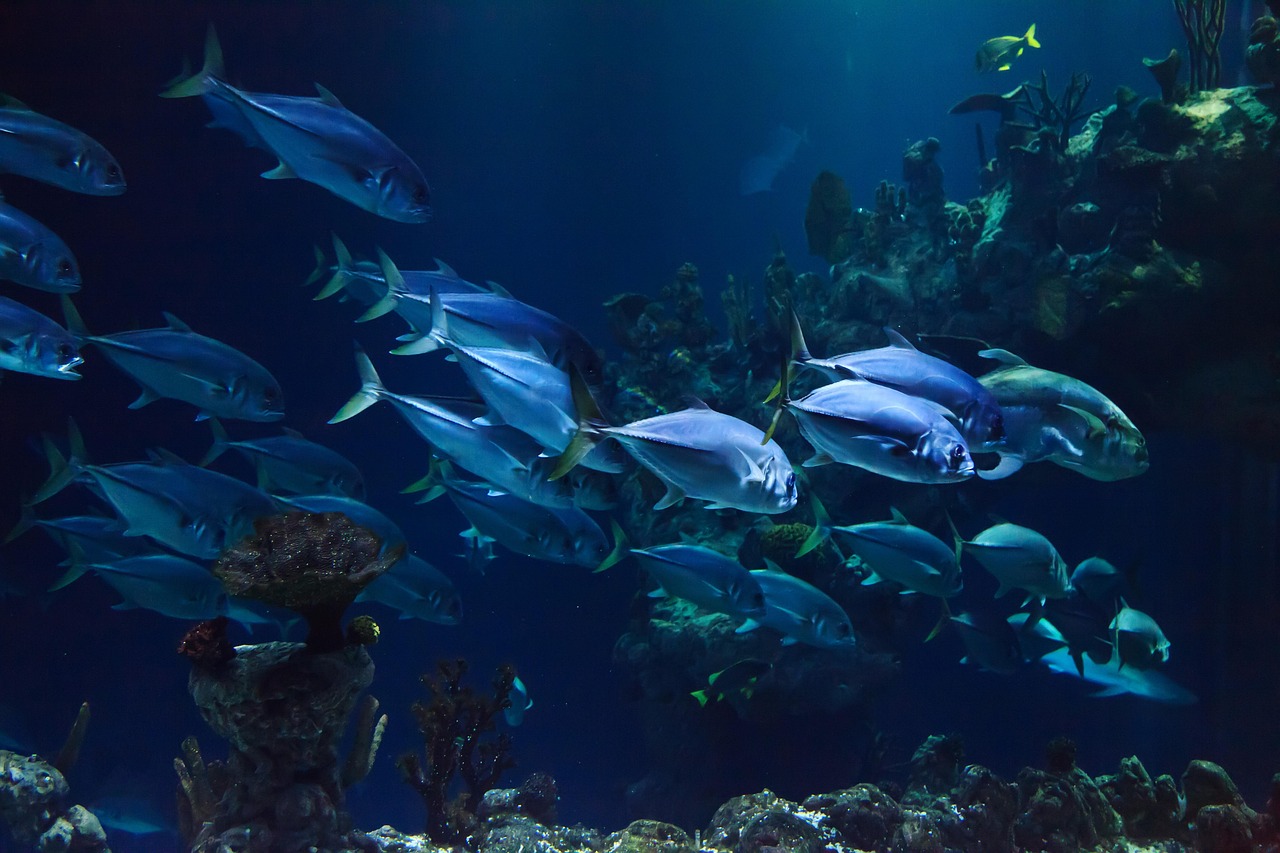
You’ve probably seen the photosâdivers hanging near sea turtles, people carefully placing coral fragments on the ocean floorâand wondered if volunteer reef conservation abroad is something you could realistically do. Maybe you’re a diver who wants more out of your trips, or just someone looking for a meaningful experience that actually helps. The options out there can get messy fast. This guide cuts through that. Itâs meant to help you sort through programs, budgets, locations, and skill levels so you can find a volunteer reef conservation program that fits what you’re actually looking for. By the end, youâll know what questions need asking, what to pack, and how to spot the programs that are more about the photo op than the work.

Why Volunteer Reef Conservation Abroad Is Worth the Effort
Letâs be clear. The main reason to invest in volunteer reef conservation abroad is the real-world experience you just canât get in a classroom or on a regular dive trip. Youâll learn to tell coral species apart by their growth shapes. Youâll get comfortable laying transect lines for surveys. Youâll handle coral fragments during outplanting. These are actual field skills that matter if you want to work in marine biology or move into technical diving roles.
Beyond what it does for your resume, you also get access to reefs that most tourists never see. Many programs run in remote marine protected areas where youâre contributing to ongoing science. The data you collect might feed into networks tracking coral disease, bleaching events, or fish numbers. Youâre not just passing throughâyouâre part of the data pipeline.
A lot of programs also throw in dive training or certification upgrades as part of the fee. An Advanced Open Water or a Reef Check EcoDiver certification has real staying power. You come home with a logbook full of survey dives, not just tourist dives. That difference matters when you’re applying for jobs or talking to other divers.
What to Look For in a Legitimate Reef Conservation Program
Reef conservation programs have popped up fast, and not all of them deliver real science. Some are basically snorkeling trips with a coral-planting photo op thrown in. You need to tell the difference between real research operations and voluntourism setups. Here’s what to look for.
Scientific credibility. Legitimate programs partner with universities, research institutes, or established NGOs like the Coral Reef Alliance or Reef Check. They can point to published data. Look for mention of peer-reviewed papers or annual monitoring reports that used volunteer-collected data. If a programâs website only has smiling volunteers and no mention of data outcomes, thatâs a warning sign.
Staff qualifications. The people running your dives and field training should be marine biologists or certified dive instructors with reef survey experience. Ask about the lead scientistâs background. Good programs list staff credentials openly.
Safety standards. Check for equipment maintenance schedules, emergency oxygen availability, and evacuation plans. If you’re diving in remote spots, there should be a DAN membership or equivalent insurance requirement. Ask about their emergency protocol before you put down any money.
Fee transparency. A trustworthy program publishes a clear breakdown of costs. Accommodation, meals, training materials, gear rental, and transfers should all be itemized. If the website just shows a lump sum with vague inclusions, ask for details. Hidden costs are common in this industry.
High-research vs. high-tourism programs. Some programs focus heavily on data collection and require previous diving experience. Others are fine with beginners and focus more on community education. Neither is right or wrong, but you need to know which youâre signing up for. If you want serious fieldwork, pick the research-heavy option. If you’re still building your dive skills, a mixed program might work better.
Common Types of Volunteer Reef Conservation Programs
Knowing the program types helps you pick based on your background and goals. They generally fall into three categories.
Citizen science monitoring. This is the most common. You’ll learn standardized survey methods like Reef Check or AGRRA protocols. Your dives involve laying transect lines, counting indicator fish species, recording coral cover, and noting signs of disease or bleaching. Some programs also run coral restoration nurseries where you fragment, grow, and outplant corals. Time commitment is usually 2 to 4 weeks. Costs run from $800 to $2000 per week including basic accommodation and meals. Skill requirements varyâsome accept Open Water divers, others want Advanced.
Community education and outreach. These programs focus less on diving and more on teaching local communities about reef conservation. You might help with school presentations, lead beach cleanups, or design educational materials. Dive time is limited. If you’re not a confident diver or prefer a land-based role, this is a good option. Costs are generally lower, around $500 to $1000 per week. No advanced diving certification needed.
Research assistant placements. These are more rigorous and often need a degree in marine biology or at least a Rescue Diver certification with significant logged dives. You’ll work alongside PhD candidates or professional researchers. Tasks include lab processing of coral samples, operating underwater cameras or drones, and advanced data analysis. Durations are longerâ4 weeks minimum, often 3 months. Costs can be lower per week because you’re offering skilled labor, but the upfront commitment is higher. This is best for career-focused people.
Pick based on your current skill level, availability, and whether you want to build a professional portfolio or just have a meaningful travel experience.
Best Regions for Volunteer Reef Conservation Abroad
Location matters for cost, logistics, and the type of reef work you’ll be doing. Here are the key regions with honest assessments.
Indonesia and the Philippines (Coral Triangle). This is the global center of marine biodiversity. Programs here often focus on coral restoration in areas damaged by blast fishing or climate events. Costs are moderate, around $600 to $1200 per week. Accommodation can be basic or comfortable depending on the island. Logistics are moderateâfly to Bali or Manila, then a domestic flight or ferry to the program base. Visas are straightforward for most nationalities. The downside is that some programs here are less regulated, so you need to vet scientific credibility carefully.
Belize and Honduras. English is widely spoken, which cuts down on the language barrier. The Mesoamerican Barrier Reef is accessible and well-studied. Programs in Utila, Caye Caulker, or Placencia are established and often partner with international research organizations. Costs are higher, $1000 to $1500 per week. Flights to Belize City or San Pedro Sula are affordable from North America. Visas aren’t required for short stays. This region is a good bet for first-time volunteers.
Australia (Great Barrier Reef). Premium cost, premium standards. Programs run $1500 to $3000 per week because of strict regulations, high insurance costs, and remoteness. You’ll work on some of the most famous reefs in the world, often on liveaboard vessels or island research stations. This is best for experienced divers who want top-tier scientific rigor and don’t mind paying for it. Visas are required and can be complex.
Fiji and South Pacific. Remote and culturally immersive. Costs are lower than Australia, around $800 to $1200 per week, but flights are expensive due to distance. Programs here often blend reef work with traditional village engagement. Isolation means reefs are healthier, but logistics are more challenging. Good for volunteers seeking a slower pace and genuine cultural exchange. Visas are generally simple.
Quick comparison: If you want moderate cost, English language, and solid science, go Belize. If you want maximum biodiversity on a budget, go Indonesia. If budget is not a concern, Australia delivers the highest standards.
How Much Does Volunteering Abroad for Reef Conservation Cost?
Let’s talk numbers so you can budget realistically. Weekly program fees typically range from $300 to $1500 per week. That wide range depends on location, inclusions, and program type.
What’s included. Most fees cover dormitory or shared room accommodation, three meals a day (often communal), dive training if you need it, tank fills, and basic gear rental. Some include airport transfers and orientation materials. Always confirm before booking.
Additional costs. You still need to budget for international flights ($600 to $2000 depending on origin and region), travel insurance with dive coverage (essential, expect $80 to $200 for a month), personal spending money, and any pre-trip dive certification if you need to do it at home. Some programs charge extra for specialty gear like dive computers or underwater cameras. Geographically, Southeast Asia ends up being the most affordable overall, while Australia and the Caribbean are more expensive.
Realistic budget example for a 4-week Indonesia program: Program fee $3200, flights $800, travel insurance $120, personal expenses $400, dive computer rental $100. Total around $4620. For a 2-week Belize program: Program fee $2400, flights $500, insurance $80, personal expenses $200. Total around $3180. Plan accordingly.
Skills and Certifications You Should Have Before Applying
Not every program expects you to show up as a master diver, but the minimum is usually an Open Water Diver certification from PADI, SSI, or NAUI. If you don’t have one, some programs offer it as part of your first week. The catch is that you spend valuable time in a pool instead of on the reef. Getting certified at home before you go is almost always better. You arrive ready to work.
Advanced Open Water is preferred by most research-heavy programs because it includes deeper dives (up to 30 meters) and navigation skills, both useful for survey work. Rescue Diver is a strong plus. If you’re considering a research assistant role, you’ll likely need Rescue and 50+ logged dives minimum.
Physical fitness matters. You’ll be lifting tanks, swimming against currents, and spending hours in the sun. You don’t need to be an athlete, but comfortable swimming and decent stamina are baseline. English is the international standard for most programs, but learning a few phrases of the local language helps with community interactions.
Don’t let the requirements scare you off if you’re a motivated beginner. Many programs welcome newcomers with a good attitude and a willingness to learn. Just pick a program that matches your current level.

5 Mistakes to Avoid When Choosing a Reef Conservation Program
These are concrete errors I see people make regularly. Avoid them and you’ll save time, money, and disappointment.
1. Choosing based on price alone. The cheapest program isn’t always bad, but low fees can indicate a lack of scientific rigor, poor accommodation, or hidden costs. Conversely, the most expensive isn’t always best for your goals. Compare the science, not just the price tag.
2. Not checking if they actually work with live coral. Some programs take you snorkeling over a reef and call it conservation. Ask directly: “What percentage of our time will be spent on hands-on reef work versus lectures or leisure?” If the answer is vague, move on.
3. Ignoring hidden costs. Gear rental, administration fees, park entry fees, and weekend excursions add up. Request a full cost breakdown before you pay the deposit. Read the fine print on cancellation policies.
4. Assuming all programs are equally ‘green.’ Greenwashing is real. Some programs claim conservation but engage in practices like feeding fish for guest entertainment or walking on corals. Ask about their environmental policy. Do they ban single-use plastics? Do they avoid touching marine life during dives? Verify.
5. Overlooking the dive instructor. A great dive instructor makes your experience safe and educational. A bad one can make it dangerous. Look for instructors with rescue training and teaching experience. Read reviews that specifically mention instructor quality.
What a Typical Day Looks Like in the Field
Set realistic expectations. A typical day in a reef conservation program is not a vacation. It is structured, physically demanding, and weather-dependent.
Morning starts early, around 6:30 or 7 AM. Breakfast is quick. Then a briefing covers the day’s objectivesâmaybe a coral health survey at one site or outplanting nursery fragments at another. You gear up, load the boat, and head to the site. Each dive lasts 45 to 60 minutes depending on depth and air consumption. You’ll do two dives in the morning, with a surface interval between them for data entry and snacks.
Lunch happens back at base or on the boat. Afternoons are for data processing, equipment cleaning, and sometimes educational workshops or community projects. It is not glamorous. You’ll spend time scrubbing algae off tanks, rinsing wetsuits, and logging numbers into a spreadsheet. Free time comes in the late afternoon. Evenings are usually low-key. Early bedtime is common because the next day starts early again.
Less glamorous aspects include seasickness on rough days, hot sun with no shade, and repetitive survey tasks that require intense focus. Bring a reusable water bottle, a logbook, and a positive attitude. You’ll appreciate your own well-fitting mask and snorkel on long days.
Reef-Safe Gear and Must-Have Items for Your Trip
Practical gear choices make your experience smoother and more comfortable. You’ll be in the water every day, so invest in items that solve real problems.
Reef-safe sunscreen is non-negotiable. Look for mineral-based formulas with zinc oxide. Avoid oxybenzone and octinoxate which harm coral. Apply it before you suit up. For longer trips, a reef-safe sunscreen in a large bottle is practical.
A rash guard or lightweight wetsuit protects your skin from sun and accidental coral contact. A 3mm shorty or full suit is versatile for tropical waters.
A well-fitting mask and snorkel that match your face shape reduces fogging, leaks, and jaw fatigue. Your own scuba diving mask and snorkel set fits better than rental gear.
A dive computer or dive watch helps you track depth, bottom time, and surface intervals. Even a basic model is better than relying on a rental computer with unfamiliar settings.
A waterproof bag keeps your dry clothes, phone, and wallet safe on boat rides.
An underwater camera is optional but useful if you want to document coral conditions. GoPro-style action cameras work fine. Check program policies on photography first.
A travel first-aid kit with antiseptic wipes, bandages, ibuprofen, and antihistamines covers basic issues. Add seasickness medication if you’re prone.
How to Evaluate a Program’s Environmental Impact
Not all programs are equal when it comes to conservation outcomes. Here’s how to tell genuine impact from well-marketed tourism.
Ask if the program publishes data. Do they share annual reports, scientific papers, or even blog posts with actual metrics like number of corals planted, survival rates, or fish population changes? If that information isn’t available, they might not be tracking their impact. Look for partnerships with universities or recognized NGOs. Programs that work with researchers tend to be held to higher standards. Check if they have a clear policy against feeding or touching marine life. Any program that allows or encourages that isn’t serious about conservation. Also ask about their waste management. Do they provide filtered water to cut down on plastic bottles? Do they compost or recycle? These small operational choices reflect their overall environmental values. Finally, ask to speak with a former volunteer. A quick chat can reveal more than any website. If the program is hesitant to provide references, that’s a red flag.
Final Checklist Before You Book
Use this checklist to avoid last-minute surprises.
- Confirm program dates and fees with a written invoice.
- Verify dive insurance coverage that includes hyperbaric treatment. DAN is the standard.
- Check visa and vaccination requirements for your destination. Some countries require proof of Yellow Fever or other vaccines.
- Read recent volunteer reviews on independent platforms, not just testimonials on the program website.
- Ask about age and health restrictions. Some programs have upper age limits or require medical clearance for diving.
- Understand the cancellation policy. Can you get a refund if plans change? What happens if the program cancels?
Once you’ve checked these boxes, you’re ready.
Frequently Asked Questions About Reef Conservation Volunteering
Can I volunteer without dive certification? Yes, some programs have snorkeling-based options or include certification as part of the first week. However, you’ll have less hands-on reef interaction.
What is the minimum age? Usually 18, but some programs accept volunteers 16 and older with parental consent. Check specific age requirements for diving.
How long should I volunteer for? Two weeks is the minimum for any meaningful impact. Four weeks is better for immersion and actual skill development. Longer stays reduce cost per week and allow you to see real project progress.
Is volunteering effective for conservation? When done through a legitimate program, yes. Your data collection feeds into scientific monitoring that informs management decisions. But the effectiveness depends entirely on the program’s methodology and commitment to research.