“`html
Introduction
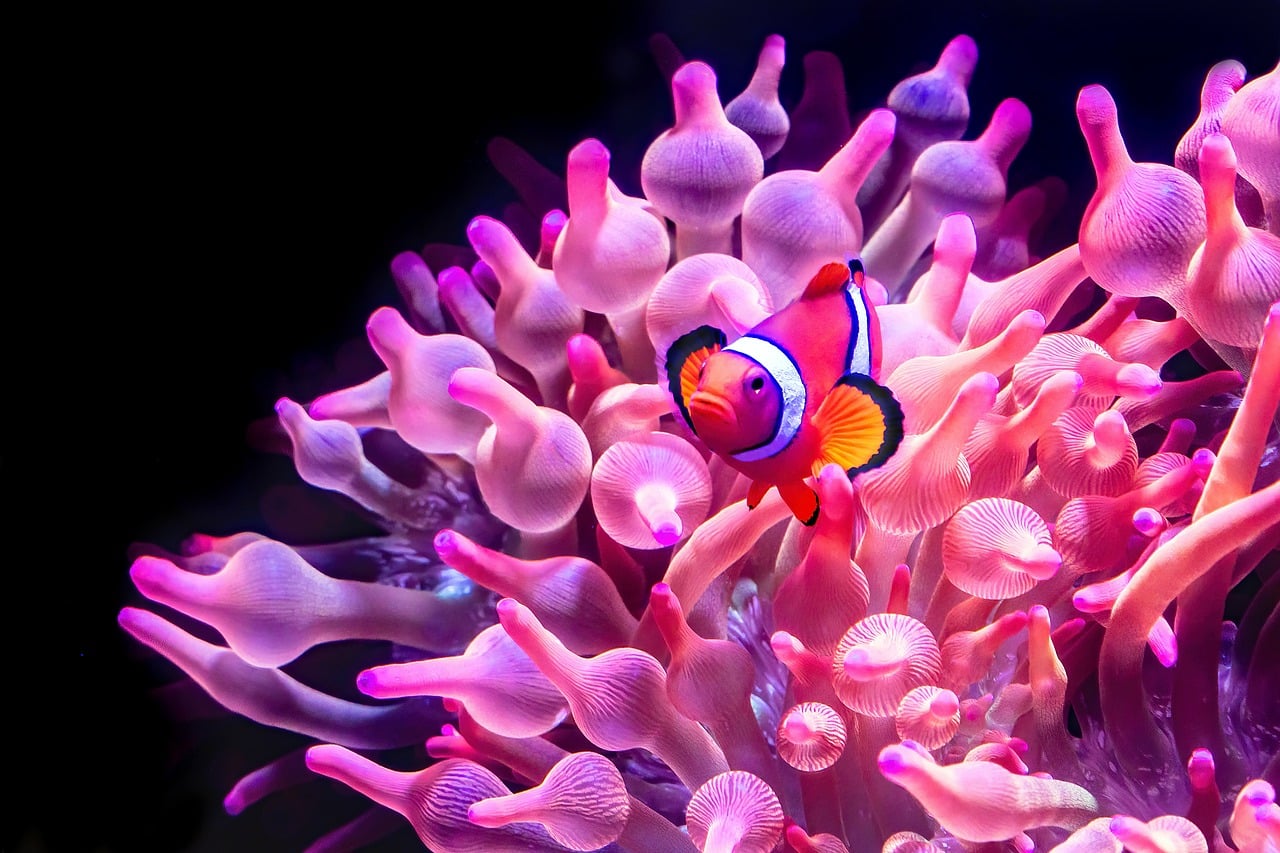
Starting a saltwater aquarium is an exciting step, and picking your first fish is a big part of that. For most new hobbyists, that first fish is a clownfish. Theyâre iconic, they have personality, and theyâre surprisingly tough. But not every clownfish species is a good fit for someone just getting their feet wet. Some are more aggressive, others need more space, and a few are just plain harder to keep alive.
This guide covers the best clownfish for beginners. Weâre looking at five species known for being hardy, adaptable, and forgiving when youâre still learning the ropes. Youâll learn what makes each one unique, their care needs, and the common mistakes that trip up new owners. By the end, youâll have a clear picture of which clownfish is right for your tank and your experience level.

Why Some Clownfish Are Better for Beginners
Itâs tempting to think any clownfish is a beginner fish because theyâre so common in the hobby. Thatâs not quite accurate. The clownfish family is diverse, and a few species come with challenges that can frustrate a new hobbyist. The species that are best for beginners share a few common traits.
The most important is hardiness. A hardy fish tolerates minor fluctuations in water quality, temperature, and salinity. New tanks can have unstable parameters, and a hardy fish gives you a buffer while you get your routine dialed in. The best beginner clownfish are also reliable eaters. They accept prepared foods like flakes, pellets, and frozen mysis shrimp without much fuss. Fish that are picky eaters quickly become a problem for inexperienced owners.
Another factor is temperament. Clownfish can be territorial, but some are much more aggressive than others. For a beginner, a peaceful clownfish that doesnât bully its tankmates makes the whole experience more enjoyable. That said, a slightly more aggressive species can work if you plan around it. The key is knowing what youâre getting into.
Finally, availability matters. The easiest fish to care for is the one you can actually find. Species that are widely available are also typically the most affordable. Youâll find plenty of advice and support from other hobbyists for common species, which is a huge advantage when youâre starting out. The best beginner clownfish balance all these factors: hardy, easy to feed, manageable temperament, and easy to buy.
The Top 5 Best Clownfish for Beginners
Now letâs get into the list. Below are five clownfish species that are excellent choices for beginners. They range from the classic and peaceful to the bold and a bit tougher. Each one has its own pros and cons, and Iâve included practical tips to help you decide which one fits your setup. Letâs start with the most popular of them all.
1. Ocellaris Clownfish (Amphiprion ocellaris)
If you know one clownfish, itâs this one. The Ocellaris clownfish is the âNemoâ fish, and for good reason. Itâs the most popular marine aquarium fish on the planet, and itâs also the best clownfish for beginners without question. They are incredibly hardy, peaceful, and adapt well to life in a captive tank. They almost always eat prepared foods right away, which takes a lot of the stress out of feeding.
Care Details:
– Minimum tank size: 20 gallons
– Temperature: 74-78°F
– Salinity: 1.020-1.025 specific gravity
They arenât demanding about water parameters either. As long as your tank is cycled and you keep up with regular water changes, theyâll thrive. A common mistake beginners make is thinking they need an anemone. They donât. In fact, many wild clownfish never even see one. They will host a powerhead, a piece of PVC, or even just a corner of the tank. If you do want to keep an anemone, stick with a hardy species like a bubble-tip anemone, and know that it requires its own lighting and stable conditions. For a new hobbyist setting up their first tank, a starter saltwater aquarium kit makes the initial setup straightforward.
2. Percula Clownfish (Amphiprion percula)
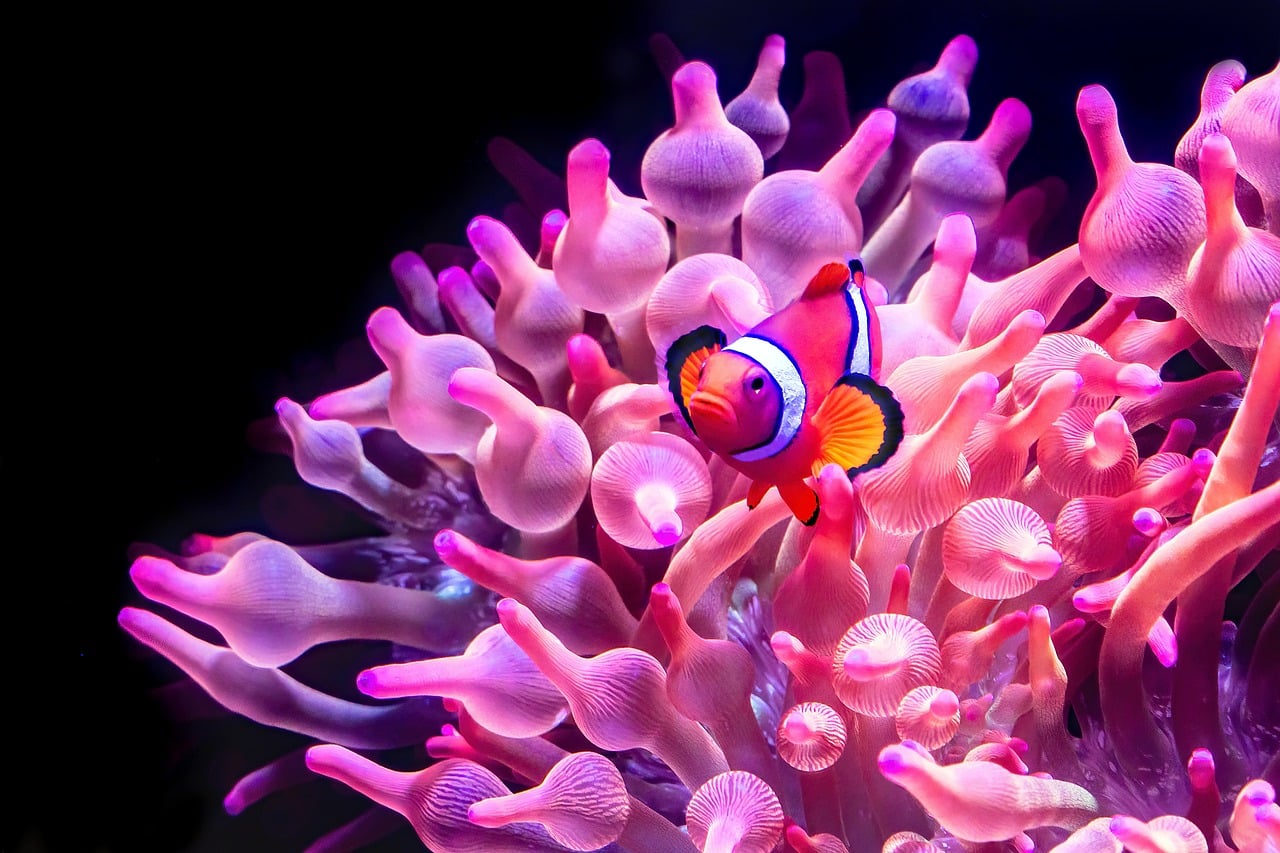
The Percula clownfish is often confused with the Ocellaris, and for good reason. They look almost identical, but the Percula has slightly thicker black bands and a brighter orange body. For many hobbyists, the Percula is the more visually appealing fish. The catch is that they are usually a bit more expensive and sometimes harder to find.
Care Differences:
The Percula is just as hardy as the Ocellaris. They have the same tank requirements, same diet, and similar temperament. The main difference is price. A captive-bred Percula can cost two to three times more than an Ocellaris. If you want the absolute best looking fish without any additional care difficulty, the Percula is your choice. If you are cost-conscious or just want the classic experience, the Ocellaris is the smarter pick.
Common Mistake:
Buying a wild-caught Percula. Wild Perculas are less hardy and often come with parasites or diseases. Always buy captive-bred. Itâs better for the reef and better for your tank.
Good lighting really brings out the color of a Percula. A quality LED aquarium light can make a noticeable difference in how vibrant they appear.
3. Clarkii Clownfish (Amphiprion clarkii)
The Clarkii clownfish is a different beast altogether. They are not the peaceful, easygoing fish that Ocellaris and Perculas are. Clarkiis are tougher, more aggressive, and they demand a bit more respect. That said, they are also incredibly hardy. They can tolerate a wider range of water parameters and are almost impossible to starve.
For a beginner who wants something a little more bold, the Clarkii works well. They are active swimmers and have lots of personality. The tradeoff is tankmate selection. You cannot keep a Clarkii with small, peaceful fish like gobies or blennies. They will harass them. They do best in a tank with other robust fish, like damsels, tangs, or larger wrasses.
Care Details:
– Minimum tank size: 30 gallons (larger is better)
– More aggressive, need compatible tankmates
– Very reliable eater
The main mistake beginners make with Clarkii clownfish is underestimating their aggression. They will absolutely bully a smaller fish. If you want a community tank with peaceful species, pick an Ocellaris instead. If you want a tougher fish that can hold its own, the Clarkii is a good choice.

4. Tomato Clownfish (Amphiprion frenatus)
The Tomato clownfish is another excellent beginner option. They are known for their bright red-orange body with a single white stripe behind the head. They are hardy, easy to feed, and easy to find. Their care level is similar to the Ocellaris, but they have a bit more attitude.
Tomato clowns are territorial, but they manage it better than Clarkiis. They do best as a single specimen or a mated pair in a tank without too many other fish. They will defend their corner, but they wonât actively hunt down tankmates. A 20-gallon tank is sufficient for one Tomato clownfish. A pair needs a bit more space, around 30 gallons.
Common Mistake:
Assuming they need an anemone to thrive. Like all clownfish on this list, they do not. They will host a large powerhead or even a flowerpot coral. If you do want an anemone, a bubble-tip is the only realistic option for a beginner.
Because Tomato clowns are so hardy, they are a great candidate for a tank that you plan to stock with other hardy fish. A complete saltwater starter kit with a filter, heater, and test kit simplifies the process of getting started.
5. Maroon Clownfish (Premnas biaculeatus)
The Maroon clownfish is the most aggressive species on this list. They are also one of the most beautiful. They have a deep maroon body with bright yellow or white stripes. They are large, bold, and extremely territorial. They are not a community fish. They are best kept as a single specimen or a mated pair in a species-only tank, or with larger, aggressive tankmates.
Despite their aggression, Maroons are surprisingly hardy. They are very forgiving of water quality issues and are reliable eaters. If you want a clownfish that is a true centerpiece fish and you donât mind planning your tank around their personality, the Maroon is a valid beginner choice. Just be prepared for the aggression.
Care Details:
– Minimum tank size: 30 gallons, but 40 gallons is better
– Very aggressive, best kept alone or with large fish
– Requires a large, stable tank with good filtration
The common mistake here is putting a Maroon in a small tank with peaceful fish. They will terrorize everything. A larger tank with a robust filtration system is mandatory. A protein skimmer is highly recommended because they are messy eaters.
A Maroon clownfish setup demands good equipment. A powerful canister filter suitable for a larger tank helps maintain water quality, which is especially important with this species.

Tank Setup Essentials for Beginner Clownfish
You can buy the hardiest clownfish on the planet, but if your tank isnât set up correctly, it wonât survive. The single biggest reason beginner clownfish die is an uncycled tank. A tank cycle takes 4-6 weeks and establishes the beneficial bacteria that break down fish waste. You must cycle the tank before adding any fish. Use a liquid test kit to monitor ammonia, nitrite, and nitrate levels.
Beyond cycling, here are the essentials:
– Filtration: A hang-on-back filter or a canister filter rated for your tank size. Surface agitation is important for gas exchange.
– Heater: A reliable heater with a thermostat. A 100-watt heater for a 20-gallon tank is standard. Always use a thermometer to verify.
– Lighting: Basic LED lighting is fine for fish-only tanks. If you want to keep corals or anemones, you need higher output lights.
– Substrate: Live sand or aragonite sand helps buffer pH. Dry sand works too.
– Rock: Live rock provides biological filtration and hiding places. Dry rock can be used but will need to be seeded with live rock or bacteria starter.
Troubleshooting Tips:
– If your ammonia spikes, do a 25% water change immediately. Increase water changes until the cycle completes.
– If your nitrates are high, increase water change frequency and reduce feeding.
– A protein skimmer is not essential for a beginner tank with one or two small clownfish, but it makes maintenance easier. For larger fish like Maroons, it becomes important.
Feeding Your Clownfish: What to Expect
Feeding a clownfish is one of the easiest parts of the hobby. The best beginner clownfish will eat almost anything you offer. They are omnivores and need a varied diet for long-term health. A mix of high-quality flake or pellet food, frozen mysis shrimp, and occasional brine shrimp is perfect.
Sample Feeding Schedule:
– Feed 2-3 times per week with frozen mysis or spirulina-enriched brine shrimp
– Feed a high-quality pellet or flake daily
– Only give what they can eat in 2-3 minutes
Common Mistake: Overfeeding is the number one feeding error. It pollutes the water and leads to algae blooms and high nitrates. Most beginners feed too much, too often. Stick to a schedule and remove uneaten food.
Common Mistakes Beginners Make with Clownfish
Even with the hardiest species, beginners make predictable mistakes. Avoiding these will save you time, money, and frustration.
1. Buying Wild-Caught Clownfish: Wild-caught fish are more prone to disease, stress, and refusal to eat. Always buy captive-bred. They are hardier, healthier, and more ethical.
2. Adding Fish to an Uncycled Tank: This is the most common killer. Patience is key. Wait until ammonia and nitrite are at 0 ppm for at least a week before adding fish.
3. Improper Acclimation: Clownfish are sensitive to sudden changes in salinity. Float the bag for 15 minutes to equalize temperature. Then drip acclimate for 30-60 minutes, adding tank water slowly. Do not dump bag water into your tank.
4. Choosing Aggressive Tankmates: Peaceful clownfish like Ocellaris should not be paired with aggressive fish like damsels or dottybacks. Research compatibility before buying.
5. Skipping Quarantine: A quarantine tank is a small, simple setup where you observe new fish for 2-4 weeks before adding them to your main display. It prevents introducing diseases. Itâs not strictly necessary for all beginners, but it is the safest practice.
Captive-Bred vs. Wild-Caught: Which Is Better for Beginners?
This is one of the most important decisions youâll make. Captive-bred clownfish are the clear winner for beginners. They are raised in aquarium conditions, so they are already accustomed to prepared foods and tank life. They are also free from most common parasites and diseases that plague wild-caught fish.
Pros of Captive-Bred:
– Hardier and more adaptable
– Less stress during transport and acclimation
– More ethical and sustainable
– Usually eat prepared foods immediately
Pros of Wild-Caught:
– Sometimes have more vivid colors (though captive-bred quality is constantly improving)
– Can be cheaper upfront (but often cost more in medication and mortality)
The tradeoff is clear. For the price of a fish, the long-term success rate of captive-bred fish is much higher. For a beginner, there is no reason to buy wild-caught. The only exception is if you want a specific color morph that isnât available in captive-bred lines, but that is an advanced choice.
Final Thoughts: Choosing the Right Clownfish for Your Tank
There is no single best clownfish for beginners that fits every situation. Your choice depends on your tank size, your tolerance for aggression, and your budget. For most new hobbyists, the Ocellaris clownfish is the smartest choice. It is peaceful, hardy, and forgiving. If you want something a bit more striking, the Percula is a great upgrade without any extra difficulty.
If you have a larger tank and want a fish with more personality, the Clarkii or Tomato clownfish are worth considering. Just plan your tankmates around them. And if you are ready for a real challenge and want a showstopper, the Maroon clownfish will reward you if you give it the space and equipment it demands.
No matter which you choose, invest in proper tank setup, good food, and captive-bred stock. The rest is just patience and routine. Your first clownfish can live for 10 years or more with good care. That makes the upfront effort more than worth it.
“`