Best Wetsuit for Warm Water Reef Diving: Top Picks for Comfort and Mobility
Introduction
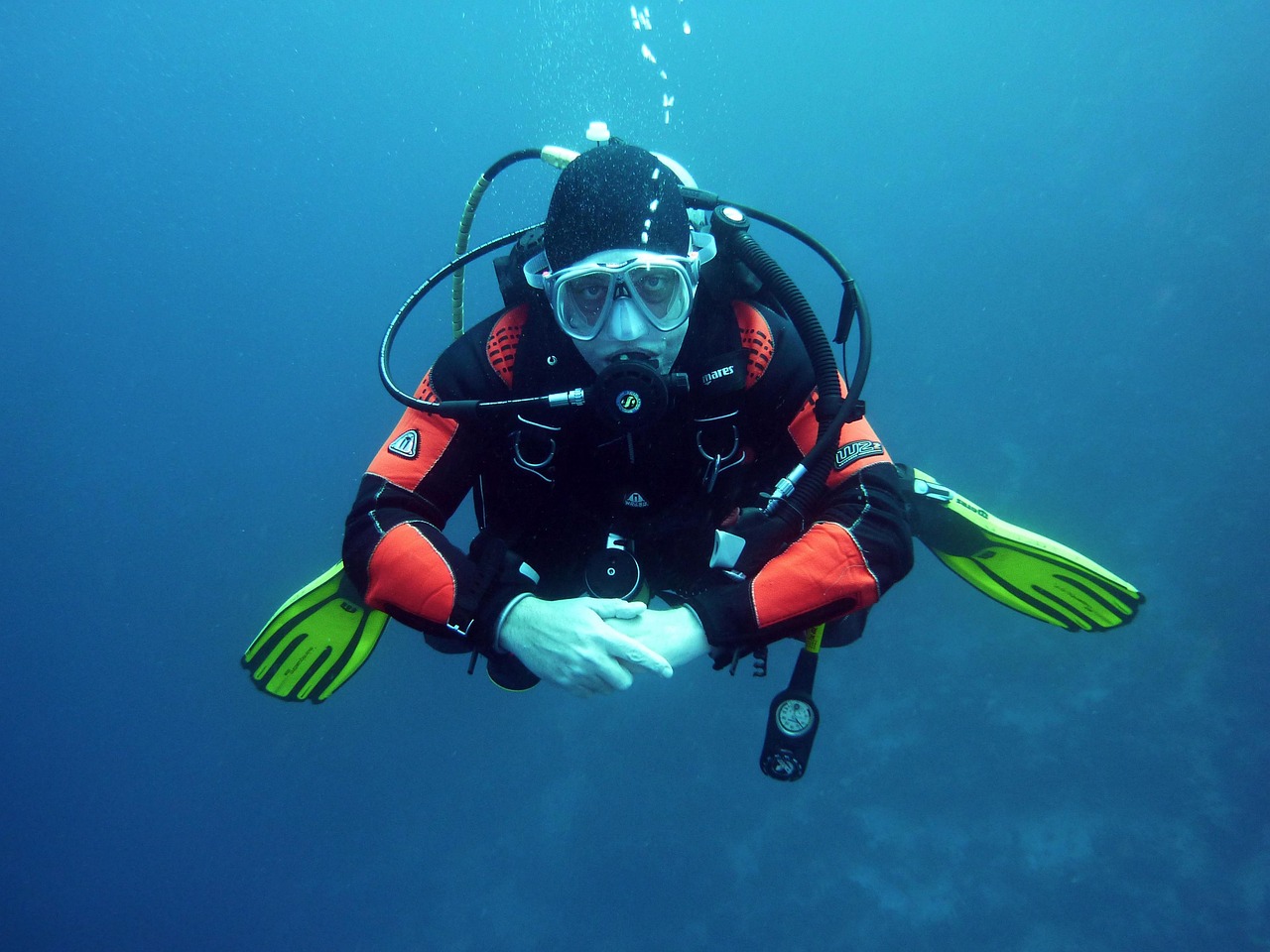
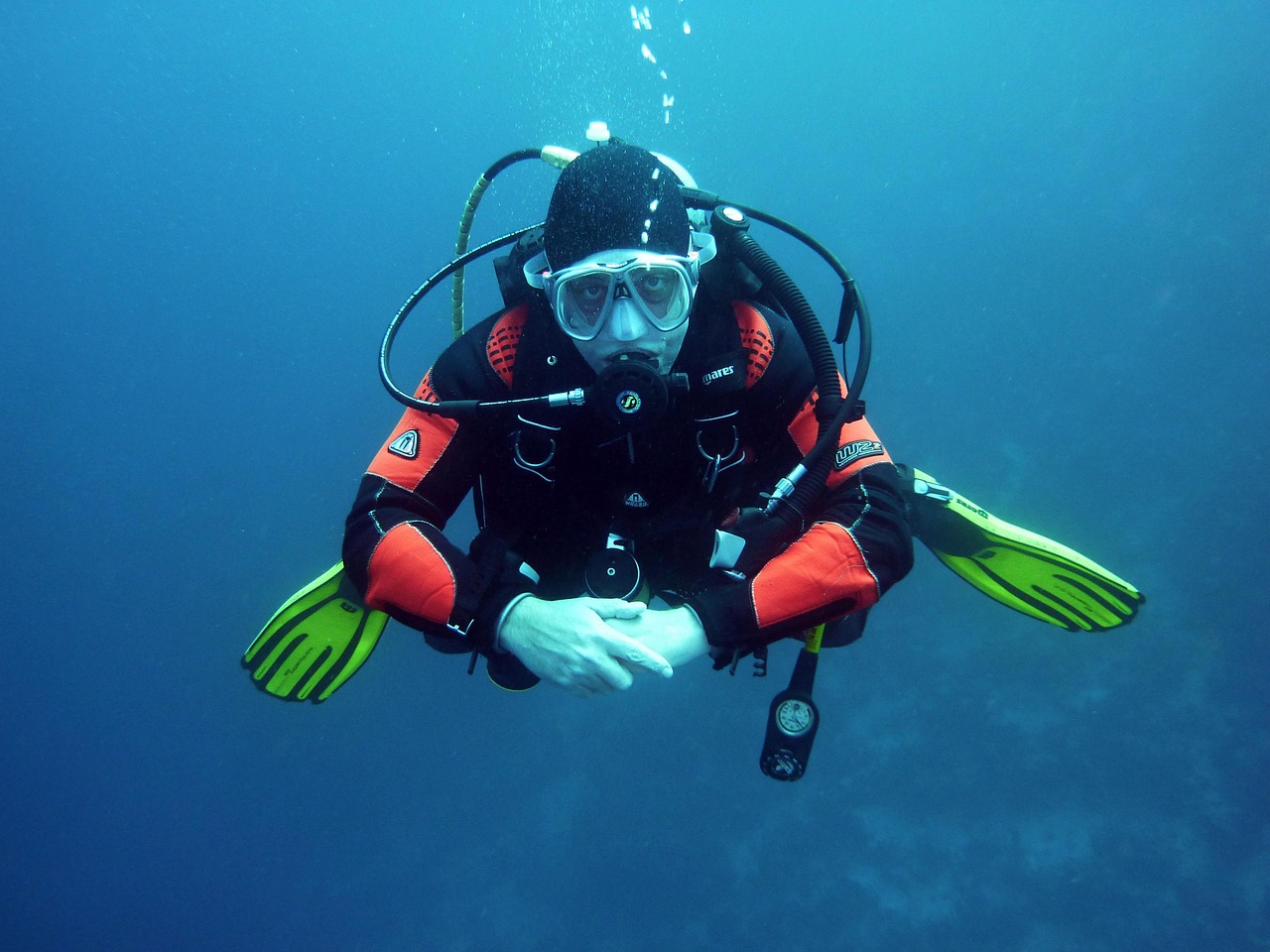
Picking the wrong wetsuit for warm water reef diving is one of those mistakes you only make once. I learned that on a trip to Bonaire, wearing a rental 5mm that was comically thick for 84°F water. I was sweating on the surface and still somehow cold at depth. Not great.
This guide is for divers heading to tropical reefs—Florida, the Caribbean, the Indo-Pacific—where water temps sit between 80°F and 85°F. You need a suit that protects you from the sun, coral scrapes, and the occasional jellyfish sting without making you overheat. The wrong suit kills your comfort and your dive profile. The right one lets you stay in the water longer, move freely, and actually enjoy the reef. Here is how to choose the best wetsuit for warm water reef diving based on real experience, not catalog specs.

Why Not Just Wear a Rash Guard? The Trade-off Between Protection and Cooling
A rash guard is cheap and light. It dries fast. It offers okay sun protection. But for reef diving, it is rarely the best choice. Here is the thing: a rash guard provides virtually no thermal protection. On a second dive, when you are already a bit chilled, that thin layer of lycra does nothing. It also offers almost zero abrasion resistance. Coral is sharp.
I have seen divers come up with nasty scratches after bumping into a fire coral wall through nothing but a rash guard. A proper wetsuit, even a 1mm shorty, gives you a real layer of neoprene that shrugs off minor contact. The trade-off is cooling. A full 3mm suit traps more heat than a rash guard. For dives in 85°F+ water, that can be uncomfortable on the surface between dives. But a thin 1mm or 1.5mm full suit breathes surprisingly well. Many modern suits use open-cell or ultra-stretch neoprene that feels almost like a second skin with minimal heat retention.
If you run warm or dive exclusively in very warm water, a high-quality shorty might be your sweet spot. But for most reef divers who want sun protection, a little warmth on deeper dives, and durability against coral, a thin full wetsuit beats a rash guard every time. The key is picking the right thickness.
The Ideal Thickness for Warm Water Reef Diving: 1mm to 3mm
Thickness is the single most debated spec among warm water divers. Here is the practical breakdown based on my experience in dozens of locations.
1mm suits (often called ‘Lava Core’ or ultra-thin) are for water temps above 82°F. They offer minimal warmth but maximum flexibility. I use a 1.5mm Yamamoto suit in the Bahamas year-round. It provides just enough thermal barrier on the surface to prevent sunburn, and at depth (down to 60 feet), it keeps me comfortable for 45–50 minutes.
2mm suits are the sweet spot for most warm water reef diving. They work across a wider temperature band—roughly 76°F to 84°F. On a mixed trip where you might have shallow reef dives and deeper walls, a 2mm offers enough warmth to handle the thermocline without making you sweat on the surface. I have used a 2mm Henderson Gold Core in Cozumel, Roatan, and the Maldives. It never felt too hot waiting to splash. Travelers who need a reliable full suit for various tropical destinations may want to compare 2mm full wetsuit options.
3mm suits are for cooler warm water—think Southern California in summer, or the Channel Islands. They also work for extended dives (60+ minutes) in tropical water where you get cold easily. But for most tropical reef diving, 3mm is overkill. You will sweat on the boat and possibly shiver at depth? No. Actually, you will sweat more on the surface and feel fine at depth, but the sweating gets annoying. Unless you run cold, stick to 2mm or thinner for true warm water reefs.
Water temperature variability matters. A reef in the Caribbean can vary by 5°F between the shallows and a thermocline at 50 feet. A thin suit with good stretch handles that better than a thick suit that restricts movement. Always check the average water temperature for your destination and consider your personal cold tolerance. If you get cold easily, go 2mm. If you run warm, 1mm or 1.5mm is perfect.
Material Matters: Neoprene vs. Yamamoto vs. Heiwa vs. Eco-Friendly Options
The material your wetsuit is made from affects flexibility, warmth, weight, and drying time. For warm water reef diving, flexibility is king. You move a lot—gliding over coral heads, finning through narrow swim-throughs, twisting to shoot a photo. A stiff suit ruins that.
Standard neoprene is the baseline. It is cheap, reasonably durable, but less flexible. It also absorbs water, making it heavier and slower to dry. A standard neoprene 3mm will feel bulky. For a budget suit, it does the job, but you will notice the difference.
Yamamoto limestone neoprene is a major upgrade. It is made from limestone, not petroleum. It is closed-cell, meaning it does not absorb water. That makes it warmer at equal thickness, lighter, and far more flexible. A 1.5mm Yamamoto suit feels as warm as a 2mm standard suit. The flexibility is unreal—like wearing lycra that actually insulates. I switched to a Yamamoto 1.5mm about five years ago and never looked back. The price is higher, but for warm water reef diving, the comfort is worth it. For those considering the upgrade, it helps to look into Yamamoto neoprene wetsuit options.
Heiwa neoprene is a Japanese material known for ultra-high stretch. Some premium suits (like Fourth Element) use it. It is incredibly pliable and comfortable, but also premium-priced. For most warm water divers, Yamamoto offers similar benefits at a slightly lower cost.
Eco-friendly options are increasingly common. Brands like Patagonia (Yulex natural rubber) and Waterlust (recycled neoprene) offer alternatives. These suits are often more expensive, but they reduce petroleum use. The trade-off is that some eco suits are less flexible than premium Yamamoto. That said, Waterlust suits are surprisingly stretchy for recycled material. If sustainability matters to you, test flexibility before buying.
Practical tip: If you are choosing between a 2mm standard neoprene suit and a 1.5mm Yamamoto, go with the Yamamoto. You get better warmth, more flexibility, and a lighter suit. It’s a direct upgrade for warm water diving.

Top 5 Best Wetsuits for Warm Water Reef Diving
Here are five suits I have personally used or seen perform well in warm water reef conditions. Each serves a specific budget or preference.
1. Mares Reef 2mm Shorty
Specs: 2mm thick, standard neoprene, flatlock seams, back zip, available in several colors. Price range: $70–$100.
Best for: Budget-conscious divers or occasional tropical vacations. The Reef is a no-frills shorty that covers your core and arms while leaving legs free. It provides sun protection and light thermal insulation. Not great for colder thermoclines or longer dives. Fit is true to size. A decent entry-level option, but do not expect premium stretch or durability.
Pros: Cheap, easy to pack, comfortable for surface intervals.
Cons: Flatlock seams can let in water; limited warmth; standard neoprene dries slow.
2. Henderson Gold Core 2mm Full Suit
Specs: 2mm thick, Gold Core neoprene (Yamamoto-based blend), flatlock seams, back zip, knee pads. Price range: $200–$250.
Best for: All-around warm water reef diving. This is my go-to recommendation for divers who want a reliable full suit that handles most tropical conditions. Gold Core neoprene is warmer and more flexible than standard neoprene. The knee pads are a real plus—they protect the suit when you kneel on coral or rock entries. Henderson runs small. If you are between sizes, size up.
Pros: Great flexibility, good warmth, quality construction, knee pads.
Cons: Expensive for a 2mm; runs small; back zip is okay but not as nice as front zip.
3. Fourth Element Proteus II 2mm
Specs: 2mm thick, Yamamoto #40 neoprene, glued and blind-stitched seams, front zip, high-stretch panels. Price range: $350–$400.
Best for: Divers who prioritize flexibility and comfort above price. The Proteus II is the suit I wear on almost every reef trip now. Yamamoto #40 is incredibly stretchy. The front zip makes entry and exit easy, and the glued blind-stitch seams keep water out without sacrificing flexibility. It feels like wearing nothing but provides solid warmth. If you dive 50+ days a year, this suit is worth the investment.
Pros: Best-in-class flexibility, front zip, warm for its thickness, durable.
Cons: Very expensive; some divers find it too snug in the neck if they have a larger neck. Heiwa material is also available in the same suit for even more stretch (at extra cost).
4. Waterlust 1.5mm Full Suit
Specs: 1.5mm thick, recycled neoprene, flatlock seams, back zip, knee pads, printed designs. Price range: $200–$250.
Best for: Eco-conscious divers who want a warm water suit that looks good and performs. Waterlust suits are made from recycled neoprene and printed with ocean-inspired designs. The 1.5mm thickness is ideal for 82°F+ water. Flexibility is decent for recycled material—better than standard neoprene but not as good as Yamamoto. Knee pads are included. Sizing runs accurate. I have used a Waterlust in the Maldives and it held up well.
Pros: Eco-friendly material, fun designs, good warmth-to-weight ratio, knee pads.
Cons: Flatlock seams can leak; less flexible than premium suits; back zip only.
5. Bare Bare-Tek 3mm (if you run cold)
Specs: 3mm thick, Ultrastretch neoprene, glued and blind-stitched seams, back zip, knee pads. Price range: $250–$300.
Best for: Divers who get cold easily or dive in marginally warmer water (upper 70s to low 80s). The Bare-Tek is flexible for a 3mm—not as stretchy as a Yamamoto 1.5mm, but far more flexible than a standard 3mm. It provides real warmth for longer dives. If you know you run cold, this is a good pick. But if you are diving in pure 84°F+ water, skip it—you will overheat.
Pros: Good warmth, flexible for thickness, knee pads, durable.
Cons: Still overkill for most tropical reef diving; bulky compared to thin suits; back zip.
What to Look for in a Warm Water Reef Diving Wetsuit: Key Features Checklist
When shopping, use this checklist to evaluate suits. These features matter for warm water specifically.
- Seam type: Flatlock seams are fine for warm water. They are cheap, flexible, and breathe. Glued and blind-stitched seams are more waterproof but more restrictive and expensive. For 80°F+ water, flatlock works well and feels more comfortable. The exception is if you dive in colder thermoclines often—then glued seams prevent the flush of cold water.
- Zipper style: Back zip is the most common, cheapest, and easiest to don/doff. But it can create a ‘scoop neck’ that lets water in. Front zip (like on the Fourth Element) is more comfortable and seals better, but more expensive and less common. Some high-end suits have no zipper—they are super flexible but a pain to get into. For warm water reef diving, back zip or front zip work fine. No-zip is only for advanced divers who prioritize stretch over convenience.
- Wrist and ankle seals: Not necessary for warm water. Seals add complexity and cost without benefit. In cool water, they prevent flushing. In warm water, flushing is actually good—it helps regulate temperature. So skip suits with thick wrist and ankle seals unless you dive in colder water.
- Knee pads: Highly recommended. Reef diving often involves kneeling on rocks or sand to enter the water. Knee pads prevent the suit from wearing thin at the knees. Most mid-range and premium suits include them. If your chosen suit does not, consider adding stick-on knee pads.
- Color: Bright colors (yellow, orange, teal) improve visibility to your buddy and boat. Dark colors (black, navy) absorb more heat, which is counterproductive in warm water. I prefer bright or patterned suits for reef diving. They also make it easier to spot you in photos.
Common Mistakes When Choosing a Wetsuit for Warm Water Reef Diving
I have seen these mistakes repeatedly. Avoid them.
Buying too thick. I already mentioned my 5mm mistake. A 3mm suit in 85°F water is too much. You will sweat on the surface, and at depth, the warmth might actually cause thermal discomfort from metabolic heat. Stick to 1mm–2mm for true warm water.
Ignoring fit. A loose wetsuit flushes water, making you colder despite the thickness. Conversely, a suit too tight restricts breathing and movement. When trying suits, do a full range of motion—reach overhead, twist your torso, squat down. It should feel like a second skin. Divers often find it helpful to read wetsuit fit guides to ensure they get the right size.
Assuming all warm water is the same. Cozumel in winter (78°F) is different from Bali in summer (86°F). Check the water temperature at your specific destination and month. A suit that works in the Bahamas in August might feel chilly in the Sea of Cortez in January.
Neglecting to test flexibility. You are going to be moving—gliding over coral, kicking against a current, twisting for photos. A stiff suit will exhaust you. Always test flexibility by performing dive motions in the store. If it resists, move to a more flexible option.
Not considering dive type. Drift diving in a current over a shallow reef? A 1mm shorty is fine. Wreck diving where you might hit cold water pockets? A 2mm full suit is better. Wall diving with long ascents? Consider a suit with good core warmth. Match thickness to dive profile.
Wetsuit Care for Warm Water Environments: Extending Your Gear’s Life
Warm water diving is hard on neoprene. Sun exposure degrades the rubber. Salt crystals can damage seams. Here is how to keep your suit alive longer.
Rinse in fresh water after every dive. Use a hose or fill a bucket. Do not use hot water—it damages neoprene. Turn the suit inside out to rinse the interior. Salt left inside will dry into crystals that abrade the lining.
Dry in the shade. Direct sunlight breaks down neoprene over time. Hang your suit in a shaded, well-ventilated area. Do not leave it in your car trunk on a hot day—that invites smell and degradation.
Use wetsuit shampoo occasionally. It removes oils and bacteria. A simple rinse with mild soap (like Nikwax) once a season helps. Avoid regular laundry detergent—it strips neoprene of its oils. A simple way to reduce odor and extend the life of your suit is to use a specialized wetsuit cleaner.
Store flat or on a wide hanger. Never hang a suit on a thin wire hanger—it will stretch out the shoulders. Lay it flat or use a specialized wetsuit hanger with wide pads. Keep away from direct heat.
When to Rent vs. Buy Your Warm Water Wetsuit
This decision depends on how often you dive and how picky you are.
Rent if: You dive once a year on a tropical vacation. Rental suits are usually 3mm and in decent condition. The upfront cost is low—usually $5–$10 per dive. You avoid packing a wet suit. The downside: fit is often poor (too baggy or too short), and the suit may be heavy, thick, and smelly. For a casual diver, the convenience wins.
Buy if: You dive more than two trips per year or are particular about fit and performance. A properly fitting suit changes your diving experience. Many rental shops only offer 3mm suits, which are too thick for most tropical reefs. If you want a thin, flexible suit, you need your own. Hygiene is a bonus.
Train/Classes: Rent for courses. You will be in and out of the suit a lot, and rental suits handle that abuse. Once certified and diving for fun, then consider buying.
First-time divers: Always rent. You will learn what thickness and style you prefer without investing in a mistake. After a few rental experiences, you will know your ideal suit.

Final Thoughts: Pairing Your Wetsuit with Other Reef Diving Essentials
The best wetsuit for warm water reef diving is the one that fits perfectly, matches the water temperature, and allows you to move without restriction. For most reef divers, that means a 1.5mm–2mm full suit in Yamamoto or equivalent material. Invest in quality. It pays off in comfort and safety.
Do not forget the other gear that complements your wetsuit. A dive computer helps you manage depth and time safely. Reef-safe sunscreen protects your skin and the reef you are enjoying. Dive booties protect your feet during rocky entries. A mesh bag makes rinsing and drying gear easy. These small choices add up to a better dive experience.
Happy diving—and stay safe out there.