How El Nino Affects Coral Reefs Worldwide: What Divers and Travelers Need to Know
Introduction
El Niño is a climate pattern that periodically warms surface waters in the central and eastern Pacific Ocean, and its effects ripple across the globe. For coral reefs, this means sustained heat stress that can trigger widespread bleaching, disrupt ocean currents, and cause long-term damage. If you’re planning a dive trip or reef vacation, understanding el nino coral reef effects is essential for choosing the right destination, timing your visit, and packing the right gear. This article walks through how El Niño impacts reefs, what to expect when you visit, and what you can do to minimize your footprint while maximizing your experience.

What Is El Niño and Why Do Coral Reefs Care?
El Niño is part of a natural climate cycle called the El Niño-Southern Oscillation, or ENSO. During normal years, trade winds blow warm surface water from South America toward Asia, allowing cooler, nutrient-rich water to rise along the Pacific coast. During an El Niño event, those trade winds weaken, and warm water sloshes back eastward, creating a broad band of abnormally warm surface temperatures across the equatorial Pacific.
Coral reefs are extremely sensitive to temperature changes. Most corals live within a very narrow temperature range, often just 1-2°C above their normal summer maximum. When sea surface temperatures rise even slightly above that threshold, corals experience heat stress. That’s the direct link: El Niño pushes water temperatures past the point where corals can function normally. Unlike La Niña, which tends to bring cooler, more productive waters, El Niño creates a prolonged period of warmth that can leave reefs struggling for months.
How Rising Sea Temperatures Trigger Coral Bleaching
Coral bleaching happens when stressed corals expel microscopic algae living in their tissues, called zooxanthellae. These algae provide the coral with up to 90% of its energy through photosynthesis. When water temperatures stay just 1-2°C above normal for several weeks, corals eject these algae and turn white or pale. That’s bleaching.
If the warm water subsides quickly, corals can recover by taking in new algae. But if the heat persists, starved corals begin to die. The 2015-2016 El Niño was one of the worst in history, causing catastrophic bleaching on the Great Barrier Reef. Northern sections lost over 50% of their shallow-water corals. Recovery depends on water depth, current patterns, and how long the heat lasted. Corals in shallow, still water are hit hardest. Deeper reefs or those exposed to cooler upwelling currents often fare better. The severity of el nino coral reef effects is directly tied to the duration and intensity of the warming, not just the peak temperature.
Beyond Bleaching: Other Ways El Niño Damages Reefs
Bleaching gets the headlines, but El Niño affects reefs in other ways that are harder to see but just as damaging.
Ocean currents shift. During El Niño, current patterns change, which disrupts the dispersal of coral larvae. New coral recruitment drops, making it harder for reefs to recover after a die-off. Fewer larvae also means less food for fish and invertebrates that depend on plankton.
Nutrient supply drops. Warmer surface waters are often nutrient-poor. This reduces the productivity of the reef ecosystem, affecting everything from algae to fish. Fish populations that rely on reefs for shelter and feeding grounds decline, especially species like parrotfish that help keep algae in check.
Acidification worsens. Warmer water absorbs more CO2, making the ocean more acidic. During El Niño, this effect is amplified, causing slower coral growth and weaker skeletons—even if corals don’t bleach.
Storms get stronger. In some regions, El Niño increases the likelihood of intense tropical cyclones. These can physically break apart coral structures, particularly areas already weakened by bleaching. It’s a compounding effect that leaves reefs more vulnerable than a single stressor would.

Real-World Examples: Where El Niño Hit Reefs Hardest
Seeing how these effects play out in real places helps you understand what you’re getting into. Here are four examples from the 2015-2016 event.
Great Barrier Reef, Australia
The northern third of the reef experienced severe bleaching, with some areas losing 50-80% of shallow corals. The southern sections fared better due to cooler currents. Tourists can still visit, but choosing southern or outer reef sites is smart. Recovery has been uneven, and the reef remains under pressure.

Maldives
After the 2016 event, widespread coral mortality occurred across many atolls. Some resorts reported 60-90% loss in their house reefs. Recovery is possible, and some operators have started coral frame planting programs. If you go, pick a resort actively involved in restoration.
Pacific Islands (Fiji, Kiribati)
Fiji’s soft coral reefs were hit hard, but the deeper walls and passes often escaped the worst heat. Kiribati’s remote atolls saw near total loss of branching corals. Tourism in these areas remains low-impact, but you’ll want to check current reports before booking.
Caribbean
El Niño effects in the Caribbean are compounded by local issues like pollution, overfishing, and runoff from hurricanes. Some areas, like Cozumel, maintain decent coral cover due to strong currents that bring cooler water. Others, like parts of the Florida Reef Tract, have struggled with ongoing bleaching for years.
These examples show that not all reefs are equally impacted. Some bounce back faster, and some are more resilient to begin with. That matters when you’re deciding where to spend your money.
Should You Cancel Your Dive Trip During or After an El Niño?
This is a common worry, and the answer depends on where and when you’re going. No, you don’t need to cancel your trip outright—just choose carefully.
Some locations are inherently more resilient. Raja Ampat in Indonesia benefits from strong currents that bring cooler, nutrient-rich water, and it usually avoids the worst of El Niño. Cozumel’s underwater currents also help moderate temperature changes. Outer reef edges in Belize and Fiji are similarly buffered.
On the other hand, inner sections of the Great Barrier Reef, shallow atolls in the Maldives, and calm lagoons in the Pacific Islands can become bathtubs during an El Niño. If you’re set on those areas, visit during the cooler months (local winter) and check NOAA’s Coral Reef Watch for real-time bleaching alerts. If you’re flexible, pick a location with active reef restoration or a reputation for cooler currents. The goal isn’t to avoid all travel—it’s to make an informed choice.
How to Choose a Reef-Safe Destination During El Niño Years
Here are practical criteria to filter your options:
- Depth matters. Deeper reefs (below 15–20 meters) experience less heat stress than shallow sites. Look for destinations with wall dives or deep slopes.
- Exposure to upwelling. Regions with strong currents or upwelling—like Indonesia’s Halmahera, parts of the Maldives, and Costa Rica’s Cocos Island—stay cooler.
- Conservation efforts. Marine protected areas with active coral nurseries or restoration programs tend to have healthier coral cover. Check if the area has a local NGO or operator involved.
- Seasonal timing. Avoid the hottest months. For most tropical reefs, that’s late summer to early fall. El Niño events typically peak in December–February, but the heat lingers for months afterward.
To give you a quick start:
- Best bets: Raja Ampat (Indonesia), Cozumel (Mexico), outer Belize Barrier Reef, Fiji’s soft coral zones, and parts of the Maldives (deeper atolls).
- Proceed with caution: Inner Great Barrier Reef, shallow Pacific atolls, and Florida Reef Tract during a hot year.
Gear That Helps You Dive Responsibly on Stressed Reefs
When reefs are already stressed, every interaction matters. The right gear reduces your impact and lets you be a better visitor. Here’s what to consider packing:
- Reef-safe sunscreen. Standard sunscreens contain chemicals that damage coral. Travelers looking for reef-safe options might want to check out reef-safe sunscreen from brands like Stream2Sea or Thinksport. Both are mineral-based, biodegradable, and don’t contain oxybenzone or octinoxate.
- Long-sleeve rash guard or wetsuit from brands like Coolibar or Baleaf. These block UV rays without needing sunscreen on your arms, and they keep you warm while protecting against jellyfish stings.
- Reef-hook claws. If you’re diving in currents, these attach to your BCD and let you secure yourself to the reef without touching it with your hands, avoiding damage to delicate coral structures.
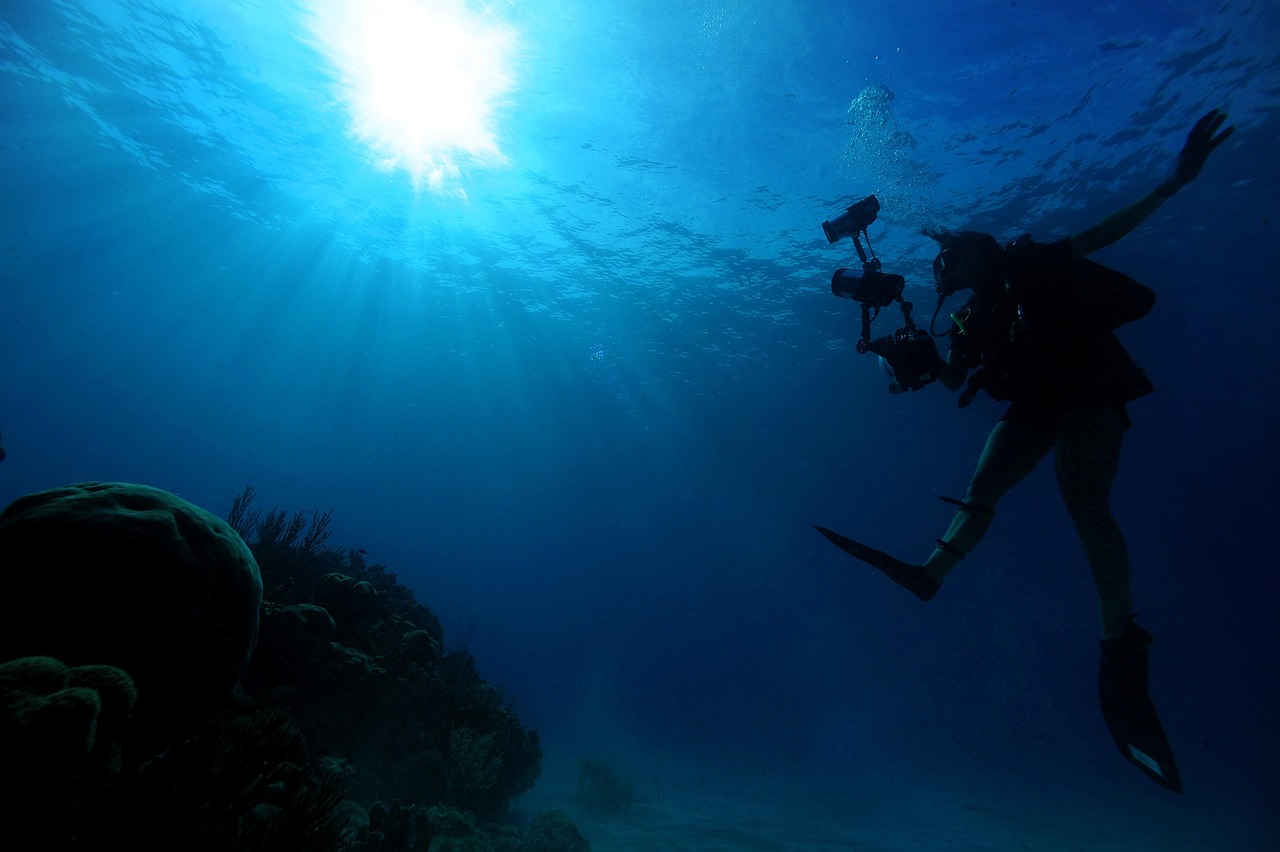
- Underwater camera housing. Documenting bleaching can help scientists track the event. A simple GoPro with a dive housing lets you capture useful footage or photos. If you see severe bleaching, report it through platforms like iNaturalist or CoralWatch.

Common Mistakes Divers Make When Visiting Bleached Reefs
Even well-meaning divers can cause harm, especially during El Niño. Here’s what to watch out for:
- Touch any coral, especially bleached areas. Bleached coral is weak—it can break with the lightest contact. That damage adds up.
- Use non-reef-safe sunscreen. Those chemicals wash off and kill coral cells. Use a mineral sunscreen or cover up instead.
- Chase fish away from weakened structures. Fish depend on coral for shelter and food. During a bleaching event, they’re already stressed. Give them space.
- Skip the dive briefing. Many operators point out sensitive zones. Ignoring that is a missed chance to protect the site.
The bottom line: stress makes corals more fragile. Good buoyancy control, careful fin placement, and a no-touch policy aren’t just polite—they’re critical.
How to Support Coral Recovery as a Traveler
Your trip can do more than just avoid damage—it can actively help. Here are specific ways to support recovery:
- Book with operators that donate to restoration. For example, operators in Indonesia’s Coral Triangle often fund Coral Triangle Center projects. Look for dive shops that support local NGOs.
- Participate in citizen science programs. CoralWatch provides a simple kit you can use to record bleaching intensity on your dives. Reef Check also trains divers to monitor reef health. Your observations add to global datasets.
- Buy carbon offsets for flights. Your flight emits CO2 that worsens ocean warming. Organizations like Atmosfair or Gold Standard offer verified offsets.
- Choose eco-certified hotels. Look for Green Globe, Green Key, or Rainforest Alliance certifications. These facilities reduce pollution and runoff that harm reefs.
- Join coral planting programs. In the Maldives, several resorts and operators run coral frame workshops. In the Great Barrier Reef, the Reef Credits program supports restoration.
These actions turn your travel budget into a tool for positive change.
What to Pack for a Reef Trip During a Warm Water Event
Conditions during El Niño can be hotter than usual, so your packing list should reflect that.
- Reef-safe sunscreen (Stream2Sea, Thinksport)
- Long-sleeve UV protection shirt (Coolibar, Baleaf) for swimming, snorkeling, or just lounging. It’s more comfortable than reapplying sunscreen constantly. For those looking for UV protection swim shirts, these can be a great alternative.
- Polarized sunglasses to cut glare and help spot healthy vs. bleached coral from the boat. It makes the experience more educational.
- A dry bag for keeping trash (especially plastics) out of the water. Look for waterproof ones from Sea to Summit or Earth Pak. Travelers who need a reliable waterproof dry bag may find these useful.
- Portable water filter like a Grayl or LifeStraw to refill bottles without buying plastic. Reducing plastic waste keeps pollution off the reef.
- Lightweight, quick-dry clothing. During a warm water event, expect higher air temperatures too. Breathable fabrics matter.
Will El Niño Events Get Worse? What Science Says
Yes, the trend is clear. Climate change is making El Niño events more frequent and more intense. NOAA projects that by 2050, most of the world’s coral reefs will experience annual severe bleaching if temperatures continue rising. That doesn’t mean we should give up on reefs—it means responsible travel becomes more critical, not less.
Some reefs are more resilient due to their depth, currents, or species composition. Supporting those ecosystems, particularly through tourism dollars that fund restoration and conservation, helps them survive. The science tells us that every degree of warming matters, and every action we take to reduce our carbon footprint—and our direct impact—gives reefs a better chance.
Final Tips for Planning a Reef Trip in an El Niño Year
To wrap it up, here’s a quick action plan:
- Check NOAA Coral Reef Watch for live bleaching alerts and sea surface temperature anomalies.
- Choose destinations with deep reefs, strong currents, or active restoration programs.
- Travel outside the hottest months for your chosen region.
- Pack reef-safe sunscreen, rash guards, a dry bag, and a water filter.
- Book with operators that emphasize conservation and follow briefings carefully.
- Support citizen science or restoration programs during your trip.
Your next reef adventure doesn’t have to be a risk. With the right planning and gear, you can still see beautiful, healthy coral while contributing to its survival.
If you’re ready to gear up for a responsible dive trip, check out the recommended products above. They’ll help you travel lighter, dive smarter, and leave the reef better than you found it.