Why Is My Clownfish Swimming Erratically? (Causes & Fixes)
Introduction
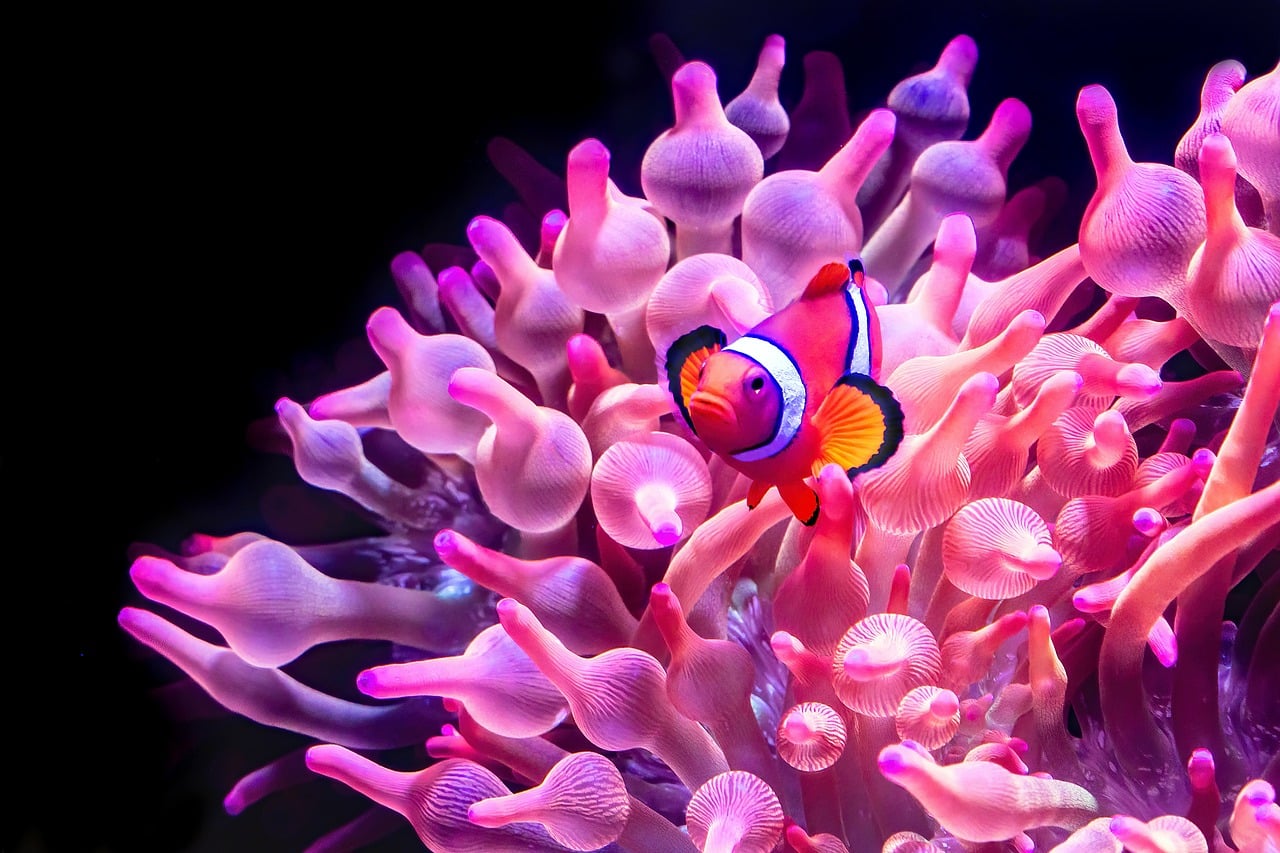
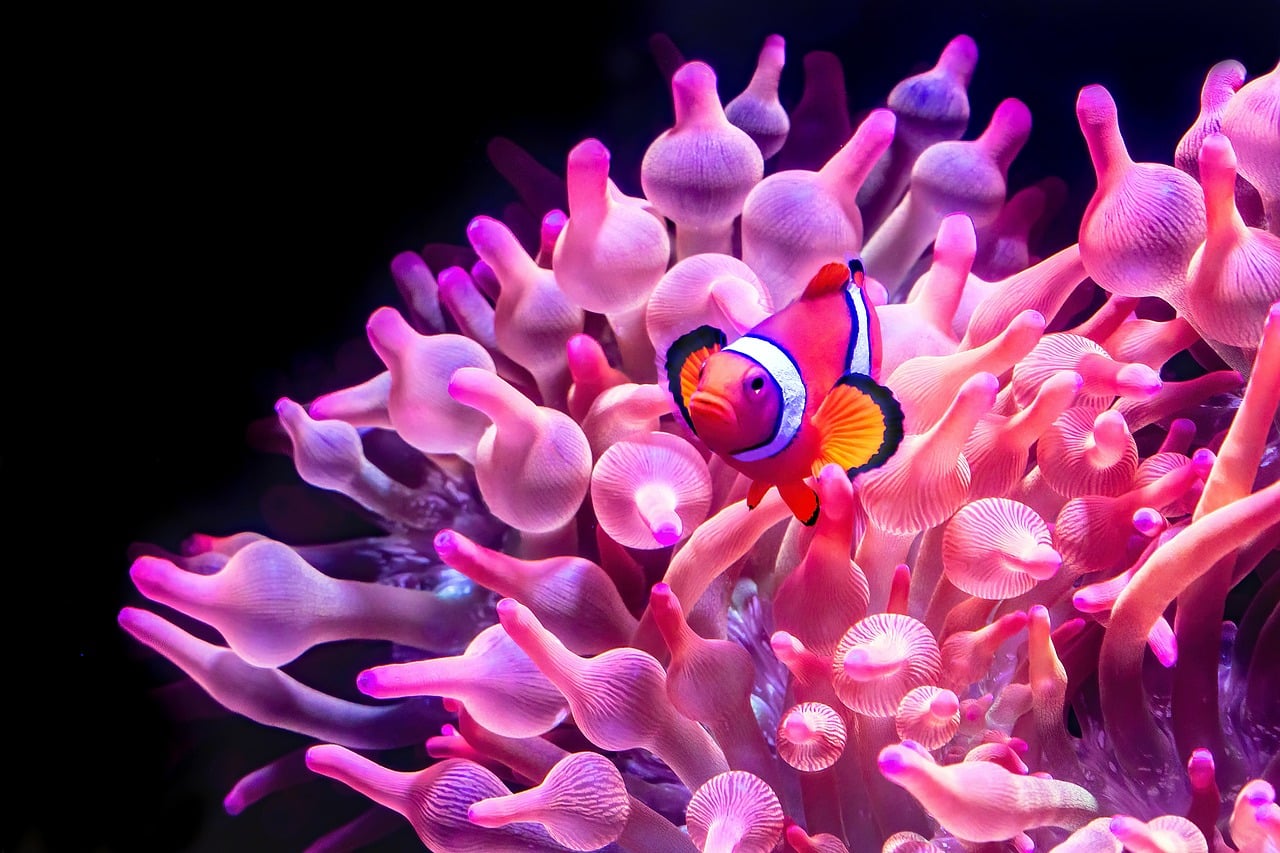
Seeing your clownfish swimming erratically is one of those moments that can send a new hobbyist straight to the panic button. Darting across the tank, rubbing against rocks, corkscrewing through the water column—it looks wrong, and your gut tells you something is off. And you’re right to pay attention. Erratic swimming is almost always a sign that something in your clownfish’s environment or health has gone sideways. But here’s the good news: in most cases, it’s fixable. This article walks you through the common causes—water quality issues, parasites, stress, and a few others—and gives you a practical, step-by-step approach to diagnosis and treatment. No panicked chemical dosing, no guesswork. Just a systematic way to get your clownfish back to normal.

What Does Erratic Swimming Look Like?
Before you start treating anything, you need to be sure you’re actually dealing with erratic swimming and not just clownfish being clownfish. These fish have personalities. They posture at each other, nip at tank mates to assert dominance, and sometimes do a little shimmy when hosting an anemone or a powerhead. That’s normal. But there’s a difference between quirky and distressed.
Real erratic swimming includes behaviors like darting—sudden, frantic bursts of speed across the tank without purpose. Flashing is another big one: the fish rubs its body against substrate, rocks, or decorations as if trying to scratch an itch. You might see spiraling, where the fish rolls or twists uncontrollably. Some clownfish hover in corners or at the surface, listing to one side. Swimming upside down or at odd angles is also a red flag. If you’re seeing any of these, you have a problem. The key is to watch for a pattern. A single flash after a meal might be nothing. Repetitive flashing or darting over several hours is a clear signal to start investigating.
Common Causes of Erratic Swimming in Clownfish
Erratic swimming isn’t a disease itself—it’s a symptom. Think of it like a check engine light. The causes fall into a few main categories, and figuring out which one you’re dealing with is the first step in fixing it. Here’s a quick diagnostic list to cross-reference against what you’re seeing:
- Poor water quality: Ammonia or nitrite spikes are the most common culprits. Even small amounts can cause darting, gasping, and flashing.
- Temperature shock: A rapid change of more than a few degrees can cause disorientation and erratic movement.
- Low oxygen: Fish will gasp at the surface, hover near the output of a filter, or swim oddly.
- Parasites: Ich, Brooklynella, and velvet all cause irritation that leads to flashing and darting.
- Bacterial infections: These often come with visible signs like redness, ulcers, or fin rot, but can also cause neurological symptoms.
- Swim bladder disorder: Buoyancy problems—floating to the top or sinking to the bottom—are usually the giveaway.
- Environmental stress: Bright lights, strong flow, aggressive tank mates, or lack of hiding spots can push a clownfish into erratic behavior.
Start with water quality. It’s the easiest to check and the most common cause. Move on to parasites if your parameters are fine. Then look at environmental factors. This flowchart approach prevents you from wasting time treating the wrong thing.
Water Quality: The First Thing to Check
If your clownfish is swimming erratically, test your water before you do anything else. I cannot stress this enough. Nine times out of ten, the problem is in the chemistry, not a disease. Clownfish are hardy, but they’re also sensitive to rapid changes in their environment. Even a small ammonia spike—0.25 ppm—can cause visible distress.
Here are the numbers you’re aiming for:
- Ammonia: 0 ppm
- Nitrite: 0 ppm
- Nitrate: Under 20 ppm (lower is better)
- pH: 8.1 to 8.4
- Temperature: 76°F to 82°F (stable is more important than exact)
If any of these are off, erratic swimming makes sense. Ammonia and nitrite burn the gills and cause respiratory distress, which can look like flashing or gasping. Nitrate at high levels stresses the fish long-term. Temperature swings above or below that range can cause disorientation and shock.
For testing, skip the test strips. They’re not accurate enough for a proper diagnosis. Get a liquid test kit like the API Master Test Kit or Salifert for more precise readings. For reliable results, hobbyists who prefer convenience may want to consider a saltwater aquarium test kit that covers the essential parameters. They’re a bit more work, but they give you data you can trust. If you find a problem, the fix is straightforward: a 25-50% water change with properly mixed and temperature-matched saltwater. Re-test after a few hours to make sure you’ve brought things back into line. Often, that alone will settle the fish down.
Parasites and Disease: Signs to Watch For
If your water quality is perfect and your clownfish is still acting up, parasites are the next suspect. Three are particularly common in marine aquariums, and each has a slightly different presentation:
Marine Ich (Cryptocaryon irritans): You’ll see white spots the size of salt grains on the body and fins. The fish will flash and dart as the parasite burrows into the skin. Breathing may become rapid. Ich progresses relatively slowly over several days, which gives you time to intervene if you catch it early. Treatment options include copper-based medications like Cupramine or hyposalinity. Be aware that copper is toxic to invertebrates and requires careful dosing.
Brooklynella (Clownfish Disease): This one is especially nasty for clownfish. The skin develops a whitish, slimy film, often starting around the head. Breathing becomes labored, and the fish may list or hover near the surface. It progresses fast—sometimes within 24-48 hours. If you suspect Brooklynella, you need to act immediately. Formalin dips or formalin baths are the standard treatment. A quarantine tank is essential because formalin is harsh on the main display’s biofilter.
Velvet (Amyloodinium ocellatum): Velvet looks like a fine coating of gold or rust-colored dust on the fish. It causes rapid breathing, lethargy, and flashing. The fish may clamp its fins and lose appetite. Velvet is aggressive and can wipe out a tank quickly. Treatment typically involves copper or freshwater dips, but it’s a race against time. Prevention through proper quarantine is your best defense.
Here’s a quick comparison of visible signs:
- Ich: White spots, flashing, rapid breathing. Progression: days.
- Brooklynella: Slime coat, rapid breathing, lethargy. Progression: hours to 2 days.
- Velvet: Gold dust, clamped fins, gasping. Progression: 1-3 days.
If you see any of these, move the fish to a quarantine tank before treating. Treating the main display tank should be a last resort because it can harm beneficial bacteria and invertebrates. Products like Cupramine (for ich), Seachem ParaGuard (milder, for early signs), and formalins are reliable options, but read labels carefully. For those dealing with persistent outbreaks, a dedicated fish quarantine tank setup can make treatment much safer and more effective. Misdiagnosis is a real risk. Treating for ich when your fish actually has Brooklynella will cost you valuable time.

Swim Bladder Disorder vs. Neurological Issues
Sometimes erratic swimming isn’t about parasites or water quality—it’s about buoyancy or neurology. These two conditions can look similar, but they have different causes and treatments.
Swim bladder disorder: The swim bladder is an internal organ that controls buoyancy. When it’s compromised, fish either float uncontrollably to the top or sink to the bottom. They may swim at odd angles, struggle to stay upright, or hover upside down. This is often caused by overfeeding, constipation, or eating too quickly. It can also result from physical injury or infection. First aid is simple: fast the fish for 24-48 hours. Then offer a shelled, blanched pea cut into small pieces. The fiber helps clear the digestive tract. If that doesn’t work, you can try an Epsom salt bath (magnesium sulfate) at a concentration of 1 teaspoon per gallon for 15-30 minutes. This relaxes the muscles and can relieve pressure on the swim bladder.
Neurological issues: These present differently. Look for spiraling, head bobbing, twitching, or an inability to orient properly. The fish may swim in circles or seem to lose coordination. Neurological problems are harder to treat because they can stem from bacterial infections affecting the brain, from toxins like copper or organophosphates, or from genetic defects. If you’re seeing these symptoms and water quality is fine, consider whether you’ve recently added medication or introduced a toxin. In many cases, supportive care—clean water, low stress, good nutrition—is the best you can do. Neurological damage is often permanent.
The distinction matters because treatment for swim bladder issues is straightforward, while neurological ones require a more cautious, supportive approach. Watch the fish carefully. If it’s eating and not deteriorating, give it time. If symptoms worsen, consider a broad-spectrum antibiotic like Maracyn Two, but only if you’re confident a bacterial infection is involved.
Environmental Stress: Flow, Lighting, and Tank Mates
Sometimes the problem isn’t a disease or water chemistry. It’s the environment. Clownfish are adaptable, but they have limits. Here’s a checklist to run through if your water tests clean and your fish shows no visible signs of disease:
- Water flow: Is the pump directed straight at the fish’s resting spot? Clownfish aren’t strong swimmers like tangs. Excessive current can push them around and cause stress. Angle powerheads toward the surface or behind rockwork to create calmer zones.
- Lighting: Sudden changes in photoperiod or brightness can startle fish. If you just upgraded to metal halides or high-output LEDs, your clownfish might be overwhelmed. Dim the lights or use a ramp timer to simulate sunrise and sunset. Lowering intensity for a couple of days often calms them down.
- Tank mates: Are any other fish chasing the clownfish? Aggressive species like dottybacks, damsels, or even larger clowns can cause chronic stress that manifests as erratic swimming. If you see bullying, rearrange the rockwork to break sight lines, or consider removing the aggressor.
- Hiding spots: Clownfish need places to retreat. A bare tank with no caves, PVC pipes, or rock arches is a stressful environment. Add a couple of simple hiding spots. Even a piece of PVC elbow will help. Beginners looking for easy options can find aquarium cave decorations that provide natural-looking shelter.
Here’s a practical test: reduce flow and lighting for 24 hours and just observe. If the erratic behavior decreases, you’ve found your culprit. Adjust your equipment accordingly and monitor for a few days. This is the cheapest and least invasive fix you can try before reaching for medication.
How to Quarantine a Clownfish for Erratic Behavior
Setting up a quarantine tank is one of the best investments you can make for your fish’s health, and it’s especially important when dealing with erratic swimming. A hospital tank lets you observe and treat the fish without risking the main display. Here’s how to set one up quickly:
- Size: 5 to 10 gallons is enough for a single clownfish. Smaller tanks are easier to manage but can have rapid water quality swings, so test often.
- Equipment: A sponge filter (pre-cycled if possible), a small heater, and a PVC pipe or two for shelter. No substrate—bare bottom is easier to clean and prevents medication absorption.
- Acclimation: Float the fish in a bag for 15 minutes to match temperature. Then, over 30-45 minutes, drip acclimate by slowly adding hospital tank water to the bag. Match parameters as closely as possible to the main tank to reduce shock.
- Water quality: Use water from the main display for the initial fill. Add Seachem Prime to neutralize any ammonia. An ammonia alert badge is useful for monitoring without constant testing.
- Lighting: Keep it dim. Low light reduces stress and helps the fish settle in.
Once the fish is in quarantine, give it 24 hours to settle before starting any treatment. Observe its behavior in a low-stress environment. Sometimes erratic swimming stops once the fish is isolated, which points to a tank-mate or environmental issue in the main display. If treatment is needed, you’ll have a controlled space to administer it—and you won’t harm your main tank’s biofilter or invertebrates. For beginners, a pre-packaged quarantine tank kit with a sponge filter, heater, and PVC hide can save time. It’s a smart purchase if you plan on keeping saltwater fish long-term.
Treatment Options: Medications and Their Tradeoffs
If you’ve identified a disease and moved the fish to quarantine, you need to pick the right medication. This isn’t a one-size-fits-all situation. Each option has strengths and weaknesses, and the wrong choice can make things worse.
Copper-based medications (Cupramine, Coppersafe): Copper is effective against ich and velvet. It disrupts the parasite’s lifecycle. But it’s toxic to invertebrates—snails, shrimp, corals—so it cannot be used in a reef tank. It also requires careful dosing. Too little won’t work. Too much will kill the fish. Use a reliable copper test kit to maintain therapeutic levels (usually 0.15-0.20 mg/L for free copper). Cupramine is gentler on fish than older copper formulas, but it’s still a powerful drug. Monitor the fish closely for signs of stress.
Formalin (Formalin-M, ParaGuard): Formalin is excellent for external parasites like Brooklynella and flukes. It’s fast-acting and can be used as a dip or bath. The downside: it’s harsh on the fish’s gills and can cause damage if overused. Formalin dips should be done in a separate container with aeration and precise timing (usually 30-60 minutes). Follow the label exactly. Never use it in a tank with invertebrates.
Antibiotics (Maracyn Two, Furan-2): Antibiotics are for bacterial infections, not parasites. They’re useful for secondary infections that set in after parasite damage, or for symptoms like red streaks, ulcers, or fin rot. Maracyn Two is my go-to for gram-negative infections. The tradeoff: antibiotics can disrupt your biofilter, especially in a small tank. Remove any chemical filtration during treatment and increase aeration. Most antibiotics require a full course of 5-7 days.
Here’s a quick reference:
- Cupramine: Best for ich and velvet. Pros: effective with careful dosing. Cons: toxic to inverts, requires test kit.
- Formalin: Best for Brooklynella and external flukes. Pros: fast. Cons: harsh on gills, must be used precisely.
- Maracyn Two: Best for bacterial infections. Pros: broad-spectrum. Cons: can affect biofilter, long course.
Choose based on the symptoms you see. If spots are present, start with copper. If it’s a slime coat issue, formalin is more targeted. If there’s visible tissue damage, antibiotics might be needed. Always finish the full treatment course, even if the fish looks better.

When to Skip Medication: The Natural Approach
Not every case of erratic swimming needs medication. In fact, dosing strong drugs when they’re not necessary can harm your fish more than help. So when should you hold off?
- If erratic swimming is mild and water tests reveal a parameter issue, fix the water first. A water change and a few days of stable conditions often resolve the problem without any medication.
- If the fish shows no visible signs of disease—no spots, no slime, no lesions—medication is probably overkill. Stress from environmental factors or a recent tank rearrangement can cause temporary erratic behavior.
- If the fish is eating well and not deteriorating, observation is a valid strategy. Many fish recover with nothing more than good water quality and a low-stress environment.
What can you do naturally? Improve water quality with small, frequent water changes. Boost immunity by feeding garlic-soaked food—a few drops of garlic extract on mysis shrimp can stimulate appetite and offer mild antiparasitic benefits. Lower lighting and increase aeration by adding an air stone. These steps cost almost nothing and carry no risk. Only reach for medication when you have a clear diagnosis and the symptoms are worsening. ‘Just in case’ dosing is a mistake that new hobbyists make often, and it rarely ends well for the fish.
Common Mistakes When Treating Erratic Swimming
Experience teaches you what not to do. Here are the most frequent errors I’ve seen—and made myself—when treating erratic swimming:
- Misdiagnosing flashing: Flashing is often attributed to ich, but low oxygen levels can cause the same behavior. Gasping at the surface? Check oxygenation before reaching for copper. A simple airstone can save you days of wasted treatment.
- Overdosing medications: More is not better. Exceeding the recommended dose of copper or formalin can cause neurological damage or kill the fish outright. Measure everything twice. Use a graduated syringe for liquids.
- Treating the main tank unnecessarily: Adding copper or formalin to a display tank kills beneficial bacteria and invertebrates. Unless you have a widespread outbreak that’s affecting multiple fish, always use a quarantine tank.
- Ignoring tank bioload: Adding too many fish too quickly overwhelms the biofilter. Ammonia spikes are almost guaranteed, and erratic swimming is a common result. Quarantine new fish for observation, not just for disease, but also to let your main tank adjust.
- Not testing water during treatment: Some medications, especially antibiotics, can cause ammonia spikes as they kill bacteria. Test every other day during treatment. If ammonia rises, do a small water change and add a product like Seachem Prime to bind it.
The best treatment is the right treatment. Avoid rushing in with chemicals until you have a solid hypothesis. Patience and careful observation will save you money and keep your clownfish alive.
Preventive Measures for Healthy Clownfish Swimming
Once you’ve resolved the immediate problem, the goal is to keep it from happening again. Prevention is straightforward but requires consistency. Here are the long-term strategies that make a real difference:
- Test water weekly: Pick a day—Sunday morning works for me—and make it a habit. Record the results. A log helps you spot trends before they become crises.
- Quarantine everything: Every new fish, coral, or even live rock should spend at least 2-4 weeks in quarantine. This is the single best way to prevent disease outbreaks.
- Feed a varied diet: Pellet food is convenient, but it’s not enough. Rotate in frozen mysis shrimp, brine shrimp, and nori sheets for grazing. Soak food in a vitamin supplement or garlic extract once a week to boost immunity.
- Stable maintenance: Do monthly water changes of 10-20%, clean filters in tank water (not tap water), and check your heater’s accuracy with a reliable thermometer. Small routine tasks prevent big problems.
- Emergency gear: Keep a spare sponge filter running in your sump or main tank. If you need a quarantine tank in a hurry, you’ll have a cycled filter ready. An automatic feeder is also useful for maintaining consistency during busy periods.
These practices are simple but they work. Most chronic health issues in aquarium fish come from neglect of the basics. Keep your water clean, your fish well-fed, and your equipment running smoothly. Your clownfish will reward you with years of healthy swimming.
Final Checklist: Diagnosing Your Clownfish’s Erratic Behavior
Here’s a quick mental checklist to walk through when you see erratic swimming:
- Step 1 — Test water: Check ammonia, nitrite, nitrate, pH, and temperature. Fix any imbalances with a water change.
- Step 2 — Observe symptoms: Look for spots, slime, flashing, buoyancy issues, or neurological signs. Cross-reference with the causes listed above.
- Step 3 — Check environment: Evaluate flow, lighting, hiding spots, and tank mates. Reduce stress for 24 hours and watch for improvement.
- Step 4 — Isolate if needed: If you suspect disease or the behavior persists despite good water quality and low stress, move the fish to a quarantine tank.
- Step 5 — Select treatment: Choose based on your diagnosis: copper for ich, formalin for Brooklynella, antibiotics for bacteria, or simply patience for stress-related issues.
Deciding when to medicate versus when to wait is the most important judgment call you’ll make. Trust your water tests. Trust your observations. And don’t be afraid to ask for help from experienced hobbyists or forums if you’re stuck. If you want a ready-made set of the tools I recommend—a reliable test kit, a good copper treatment, and a quarantine setup—check out the list of products I’ve put together. It’s all stuff I’ve used and trust. No fluff, just what works.