Ghost Gear: How Lost Fishing Nets Kill Reefs and What You Can Do
Introduction
You might have seen the photosâa sea turtle tangled in a fishing net, unable to surface for air. These nets, long after being lost or abandoned by fishermen, continue to drift and trap. Theyâre called ghost gear, and they’re one of the most destructive forms of ocean plastic. Lost nets, lines, and traps that are no longer under anyone’s control don’t just float around harmlessly. They keep fishing. And when those nets settle on a coral reef, they do real, physical damage that can take decades to reverse. This article breaks down exactly how ghost gear fishing nets reefs are affected, shows you real-world examples of the damage, and gives you practical ways to take action whether you’re a diver, a donor, or just someone who loves the ocean.

What Exactly Is Ghost Gear?
Letâs get the definition straight. Ghost gear refers to any fishing equipment that’s been lost, discarded, or abandoned in the ocean. This includes just about every type of commercial and recreational fishing tool you can think of: gillnets, trawl nets, longlines, crab and lobster pots, and even monofilament line. A net becomes ghost gear for a few common reasons. Storms tear buoys loose, nets snag on a wreck or a shallow reef, or sometimes fishermen cut gear loose when it gets tangled in bad weather. In some places, gear is simply abandoned when itâs no longer profitable to retrieve.
What makes ghost gear different from a plastic bag or a straw? Itâs the design. Fishing nets are built to catch things. Theyâre strong, often nearly invisible underwater, and intentionally designed to snag and hold marine life. A plastic bag might choke a dolphin, but a gillnet will trap an entire school of fish. Itâs a unique threat because it’s a weapon that doesn’t stop working just because the fisherman went home.
How Ghost Nets Physically Destroy Coral Reefs
When a heavy, waterlogged net drags across a reef, it acts like a giant chain-link scrub brush. The net snags on coral heads, and as it moves with the current, it breaks off branches of staghorn and elkhorn coral. It scrapes the living tissue off massive coral boulders, leaving behind a white, bare skeleton. This isn’t just cosmetic damage.
Think of it like this: the living tissue on a coral is a thin skin. When a net scrapes that off, it opens a wound. Algae immediately move in, and bacteria and coral diseases like white band syndrome have a direct pathway into the coralâs body. In many cases, the coral canât regenerate over the wound because the net just keeps rubbing it raw. Iâve seen this firsthand during dives in the Coral Triangle. Youâll see a healthy, sprawling table coral, and right where a net has settled, thereâs a dead, algal-covered patch with the netting embedded right into the skeleton. The net doesnât just scratch the reef once. It keeps moving, keeps rubbing, and keeps killing.
One well-documented example comes from the Great Barrier Reef. Cleanup teams have removed massive nets weighing over a ton that have decimated entire bommiesâlarge, isolated coral heads. The reef underneath those nets is often just rubble.
Ghost Nets Keep Killing Even After Theyâre Lost
This is the part that many people donât realize. The net is lost, but itâs still fishing. This is called ghost fishing. A gillnet drifts through the water column, and fish swim right into it, getting caught by their gills. Larger animals like turtles, dolphins, or rays swim into the net, get tangled, and drown because they canât reach the surface. Their bodies then attract scavengersâcrabs, sharks, other fishâwhich also get trapped.
Hereâs the reef connection that matters. Many of the animals that get caught and killed in ghost nets are the very ones a healthy reef depends on. Parrotfish, for example, are primary herbivores. They eat the algae that constantly competes with coral. When a ghost net removes parrotfish from the local population, algae growth goes unchecked. Algae then carpets the reef, smothering existing coral and preventing new coral larvae from settling. You lose the fish, and then you lose the reef.
Studies have found that a single lost gillnet can continue killing fish, crustaceans, and marine mammals for years. Some assessments suggest that a single net can trap hundreds of animals over its ghostly lifetime.
The Scale of the Problem: How Much Gear Is Lost?
The numbers are substantial, but it’s important to ground them in reality. Global estimates from organizations like the FAO and UNEP indicate that about 640,000 tons of fishing gear is lost or abandoned in the oceans every year. That makes up roughly 10% of all the plastic waste in our oceans. When you consider that fishing gear is much heavier and more durable than a plastic bottle, the physical volume of that 10% is staggering.
In some specific fisheries, the annual loss rate of gear is incredibly high. For certain gillnet or trap fisheries, up to 30% of the gear can be lost each year. That means for every 10 nets a fisherman drops, three will be lost and become ghost gear. This is a massive, ongoing source of reef destruction that doesn’t make the news as often as oil spills, but the damage happens daily, year after year.
Real-World Examples: Where Ghost Gear Has Hit Hardest
Letâs make this concrete. Ghost gear isn’t a hypothetical future problem. It’s a current crisis in specific places. Here are a few examples that show the severity.
Hawaiian Islands Humpback Whale National Marine Sanctuary. This isn’t just a whale sanctuaryâit’s also home to important coral reef ecosystems. NOAA and partner organizations have conducted huge cleanup operations here. In a single major cleanup effort, they removed over 57 tons of abandoned nets from the Northwestern Hawaiian Islands. The nets they found were loaded with coral fragments. They found dead seals and sea turtles tangled in the mess. The cleanups revealed that the nets had been grinding against the same patches of reef for years, leaving behind lifeless rubble fields where vibrant coral should have been.
Indonesia’s Coral Triangle. This area is considered the global epicenter of marine biodiversity. Itâs also a hotspot for ghost gear, largely due to the scale of the fishing industry here. Local NGOs and volunteer dive groups regularly find massive trawl nets draped over entire reef systems. In one well-known cleanup site near Raja Ampat, a single net removal required multiple dives over several days. The net was so heavy and overgrown that it required cutting away by hand and lifting with lift bags. Underneath, the reef was just dead skeletons. This is a daily battle for remote island communities.
Australia’s Coral Sea. The Australian government has funded significant removal projects in the remote Coral Sea Marine Park. These are often large, old nets that have drifted for potentially hundreds of miles. One net removed in this area was several hundred meters long and weighed over two tons. It had killed countless fish, sea snakes, and even a small manta ray. The sheer scale of these nets is humbling.

Whatâs Being Done to Remove Ghost Gear?
Thankfully, this is a solvable problem. Organized groups around the world with boats, divers, and some serious grit are dedicated to pulling this stuff out of the ocean.
The Ghost Fishing Foundation is a global leader. They operate in the North Sea, the Adriatic, and the Baltic, using divers and purpose-built grapple hook systems to find and remove lost gear. They focus on difficult locations and often work with local fishermen who know where the gear was last seen. Ocean Cleanup is also tackling this issue, primarily in the Great Pacific Garbage Patch but with expanding work in near-shore environments.
For the average scuba diver, there are programs like PADIâs Dive Against Debris. This is a citizen science program where certified divers can do a dive with the specific goal of collecting and reporting marine debris. This is one of the most direct ways to get involved. The data collected by these divers helps researchers understand where debris is accumulating. For those interested in diving, a scuba diving gear upgrade might be useful for comfort on longer cleanups.
The challenges are real. Removing gear from a living, growing reef takes care. You can’t just yank a net off a coral head, or you’ll take more coral with it. You have to cut it away piece by piece. Remote locations are expensive to reach. Weather and currents can shut down operations. But when a team succeeds, the reef starts to recover almost immediately.
How You Can Help: Donate or Volunteer for a Cleanup
So what can you do if you’re reading this and want to make a real difference? You have options.
Donate to organizations doing the actual removal work. The Ghost Fishing Foundation, Project AWARE (which runs Dive Against Debris), and the Ocean Conservancy all directly fund removal operations. Your money buys boat fuel, dive tank fills, and replacement cutting tools for the crews. If you’re getting ready to book a dive trip, consider donating the cost of one or two tank fills to one of these organizations. Itâs direct, tangible support.
Sign up for a certified cleanup dive. If you’re a certified diver and planning a trip to a reef destination, look for operators who offer debris removal dives or partner with local conservation groups. Many dive shops in the Maldives, Indonesia, and the Caribbean have programs where you can spend an afternoon collecting debris instead of just doing a fun dive. It’s satisfying work and you see the impact immediately.
Join a local beach cleanup. Even if you don’t dive, gear comes ashore. Joining a beach cleanup near you makes a difference. You can also let local dive shops know about the gear you find. They may be able to arrange an underwater removal if the gear is snagged in shallow water.
Best Gear to Bring on a Ghost Gear Cleanup Dive
If you are ready to book a cleanup dive, you need the right tools. Don’t go unprepared. Here’s what you should have in your kit.
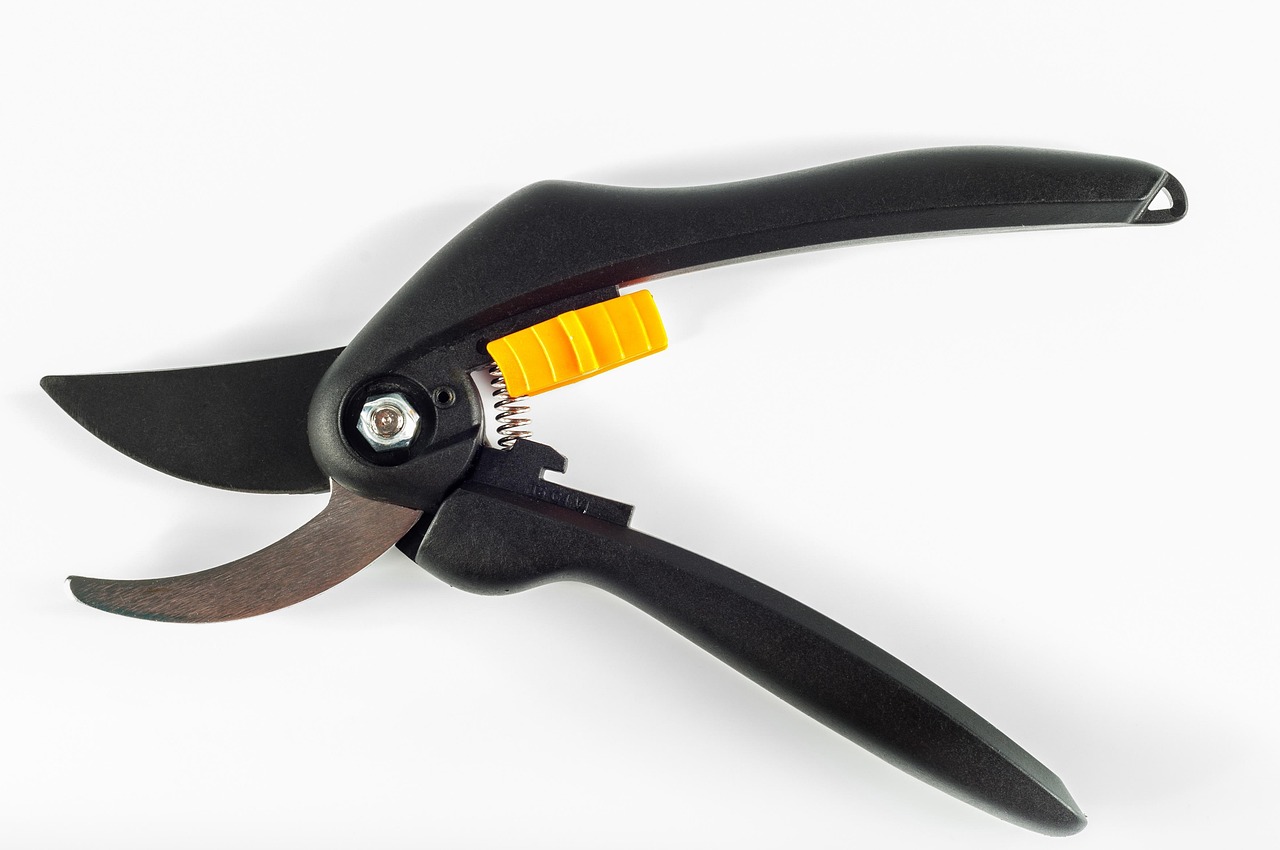
- A sturdy dive knife or line cutter. This is non-negotiable. You need something that can cut through thick, braided line, monofilament, and even light wire. A blunt knife is a hazard. Look for something with a serrated edge and a blunt tip to avoid accidental punctures of your own gear or yourself. The Trilobite line cutter is a popular and effective choice. EMT shears are also excellent for cutting line without damaging the coral. For a reliable option, consider a dive knife line cutter.
- Dive gloves. Rope is rough stuff. After a few hours of handling old, barnacle-encrusted netting, you will have torn skin. Get a pair of sturdy, synthetic dive gloves like a Kevlar or Dyneema model. They protect against cuts and from accidental stings from hydroids growing on the net.
- A mesh debris bag. You need something to collect the small plastic pieces, line fragments, and hooks. A simple mesh bag that attaches to your BCD is perfect. It keeps your hands free and prevents you from losing collected debris.
- A reef-safe dive light. You’ll often need to look under ledges, inside crevices, or into dark holes where nets have gotten wedged. A small, bright LED light is essential for a thorough search. Don’t rely on the strobe on your camera. A dive light LED can help spot hidden net fragments.
- A reusable dive slate. If you’re participating in a Dive Against Debris or a formal cleanup, you may need to document what you find. A simple plastic slate and pencil let you record the number and type of items. This data is valuable for research.
This is practical gear. Don’t go buy the most expensive carbon fiber knife on the market. A solid, reliable stainless steel knife with a sharp edge and a good sheath will do the job.
Mistakes to Avoid When You Find Ghost Gear
I’ve seen divers make the same mistakes over and over. Hereâs what to avoid so you don’t become a casualty.
Never cut a net without assessing whatâs in it. You might think youâre freeing a trapped fish, but you could cut a line that releases a turtle you didn’t see on the other side. Or you could cut a holding line that causes the entire net to shift and entangle you. Always do a full 360-degree inspection before you cut anything.
Donât attempt removal alone. This is a two-person job at minimum. One person cuts, one person holds the net steady or watches for entanglement. If you get tangled, you need a buddy to cut you free. Solo net removal is how divers drown.
Avoid getting tangled yourself. Old net is often loose, has sharp hooks, and carries a ton of snag points. Stay aware of your fins, your tank valve, and your computer. Iâve seen a diverâs SPG get caught on a trailing piece of line on a night dive. It took five minutes to cut him loose.
Know your diving limits. If the net is in 100 feet of water with a strong current, don’t push your no-deco limit. If youâre not comfortable with a lift bag to send heavy gear to the surface, don’t try to handle a huge net. A dead net on the bottom is better than an injured diver. Leave the deep, complex removals to the trained professionals.

Supporting Solutions Beyond Cleanups: Buying Better Seafood
Cleanups are reactive. They treat the symptom, not the disease. A long-term solution starts with stopping the gear from getting lost in the first place, and thatâs where your dinner plate comes in.
Choose seafood that comes from fisheries using gear designed to be less destructive and less likely to be lost. Look for the Marine Stewardship Council (MSC) blue label. This certification requires fisheries to manage their gear and minimize environmental impacts, including gear loss. Also look for fisheries that use pots with escape panels so crabs and lobsters can get out if a pot is lost.
When you buy seafood from a fishery that uses purse seines or longlines without proper reporting, youâre supporting an industry that loses gear at high rates. This is a direct, consumer-level action that reduces the amount of new ghost gear entering the ocean. Itâs not as exciting as a dive, but itâs arguably more effective at the source.
Final Thoughts: Turning Concern into Action
Ghost gear is a brutal, persistent problem. It kills marine life, smothers coral, and destroys the very ecosystems that support coastal communities and global biodiversity. But it’s not an unsolvable one. Unlike climate change, the solution here is tangible. You can donate to a removal operation. You can join a cleanup dive on your next vacation. You can buy a good dive knife and be ready to cut a net if you see it. You can choose seafood that doesn’t contribute to the problem.
The information is in front of you. The tools are available. The only missing piece is action. If you’re ready to book a cleanup dive or just want to be prepared, start by getting a sturdy dive knife. Itâs the single most important tool you can carry to make a difference when you find ghost gear on a reef. Pick one up today and be part of the solution.