Safety Stops and Reef Etiquette for Clownfish Diving: A Practical Guide
Introduction
Diving with clownfish is one of the most popular things you can do on a tropical reef. But a lot of divers treat it like a photo safari—get in, get the shot, get out. That’s not great for you, and it’s definitely not great for the reef. Reef diving safety etiquette isn’t just about avoiding fines. It’s about keeping yourself out of a decompression chamber and making sure the anemones and their tenants survive the next thousand diver visits.
This guide covers both sides of that. We’ll walk through proper safety stops, which are often overlooked on shallow clownfish dives, and the on-reef behavior that separates a respectful diver from a reckless one. If you want to see clownfish regularly for years to come, this is how you do it.

Why Safety Stops Matter When Diving with Clownfish
Here’s a mistake I see all the time: a diver spends 45 minutes hovering at 25 feet watching a family of clownfish, then ascends directly to the surface because “it’s shallow, no big deal.” That’s how you end up with decompression sickness.
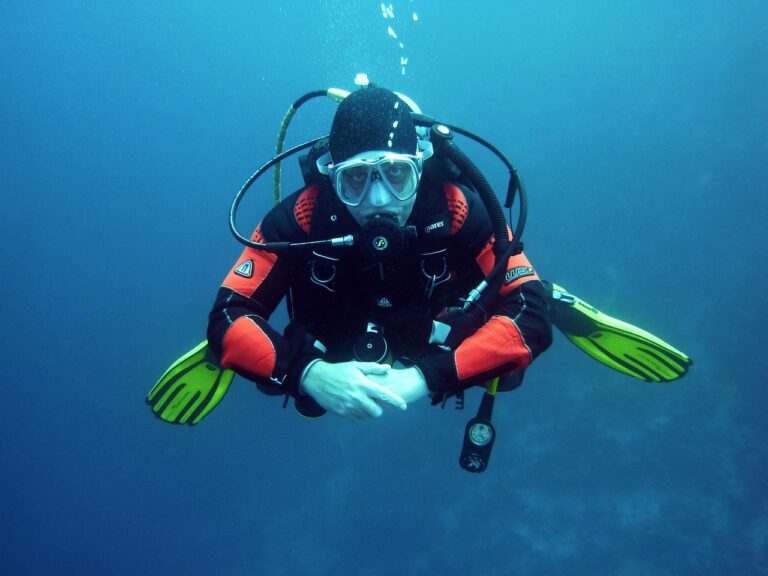
The physiology is straightforward. Even on shallow dives, your tissues absorb nitrogen. When you spend a long time at 25 feet, you’re still building up a nitrogen load. A safety stop at 15–20 feet for three to five minutes gives your body time to off-gas that excess nitrogen before you hit the surface. Skip it, and you risk DCS—joint pain, numbness, fatigue, and in serious cases, paralysis.
Clownfish dives are often repetitive. You might do two or three shallow dives in a day. That cumulative nitrogen load adds up fast. I know a diver who skipped a safety stop after a 45-minute clownfish dive because he was cold and wanted to get out. Two hours later, he had shooting pain in his elbow and spent the next three days on oxygen. He didn’t dive again that trip. Don’t be that person.
The Right Way to Do a Safety Stop on a Clownfish Reef
A proper safety stop isn’t complicated, but it takes discipline. Here’s the step-by-step:
- Start your ascent. Ascend slowly—no faster than 30 feet per minute. Watch your dive computer.
- Pause at 15–20 feet. Most computers default to 15 feet. That’s fine. Hold that depth for three to five minutes. Five is better if you’ve been deep or diving multiple times.
- Maintain neutral buoyancy. Don’t kick constantly to stay down. Use your BCD. Kicking stirs up silt and can damage the reef below you.
- Use a visual reference. If visibility is low, use a mooring line or the anchor line as a depth reference. But don’t hold onto coral or the bottom.
- Time it right. A dive computer with a safety stop countdown is the best tool for this. Without one, you’re guessing.
One common error: ascending too fast because you think you’re in a current. If you feel current push you up, drop a little air and reposition. Don’t rush the stop. In low visibility, hold your depth and listen for boats on the surface. A dive computer with an audible alarm helps here.
Essential Gear for Safe and Respectful Clownfish Diving
You don’t need a lot of gear to dive responsibly. But three items make a real difference in both safety and reef etiquette.
Dive Computer
This is non-negotiable for safety. A good dive computer tracks your depth, bottom time, and ascent rate. It also calculates your safety stop and tells you exactly how long to hold. The tradeoff here is between price and features. A basic model like the Cressi Leonardo is reliable and has a clear safety stop countdown. That’s fine for most recreational divers. If you dive frequently or in challenging conditions, you might want a more advanced model with air integration. Best for budget: Cressi Leonardo. Best for reliability: Suunto Zoop Novo.
Find safe dive computers on Amazon
Reef-Safe Sunscreen
Standard sunscreen contains oxybenzone and octinoxate, which bleach coral and harm marine life. Even if you’re wearing a rash guard, your face, neck, and hands are exposed. Use a biodegradable, mineral-based sunscreen. Stream2Sea is the gold standard—it’s the only sunscreen that’s been tested and proven safe for both freshwater and saltwater organisms. It costs more than drugstore brands, but it’s not negotiable if you care about the reef.
Camera with a Red Filter
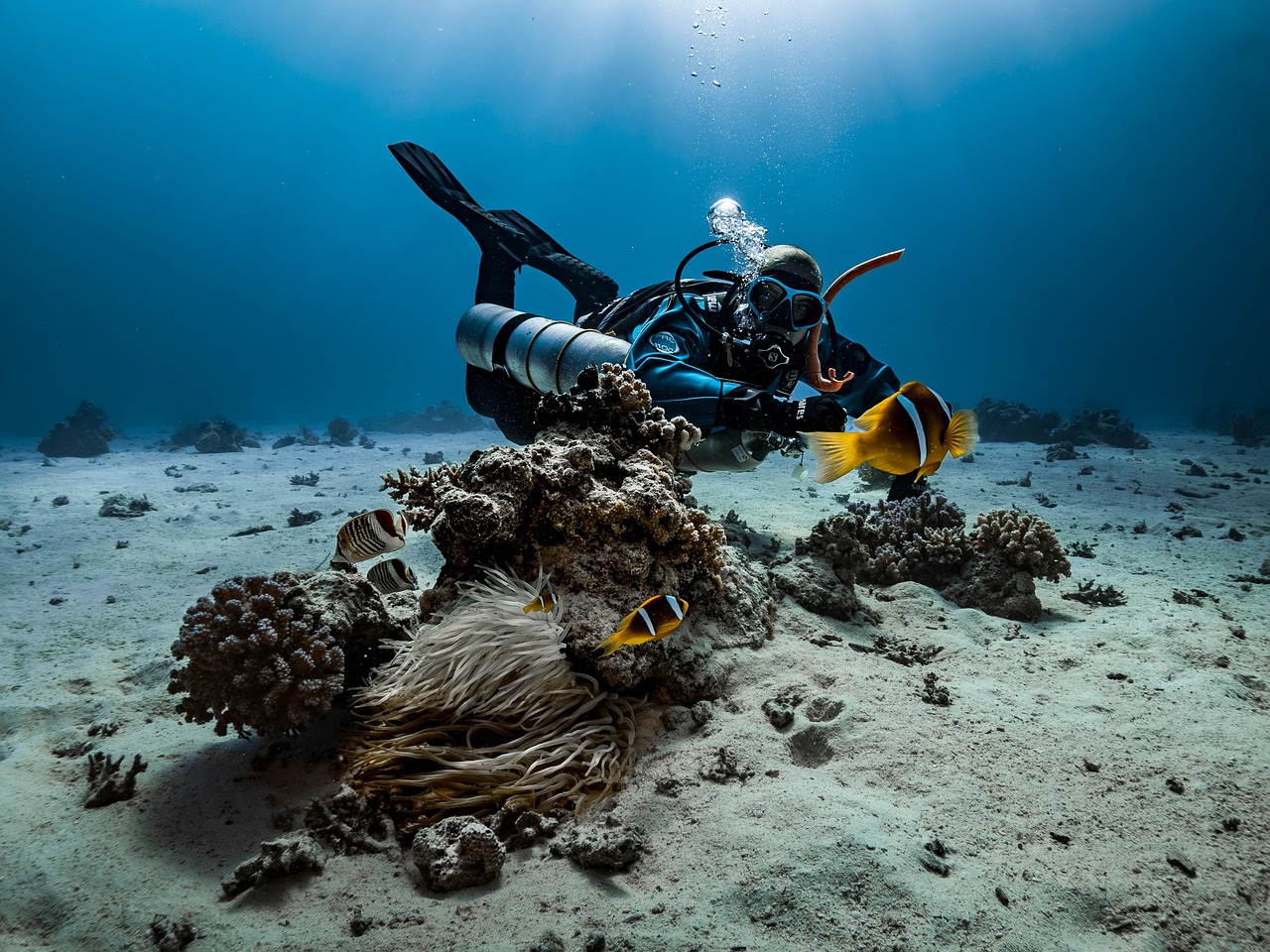
You want photos of clownfish. That’s fine. But use a camera setup that doesn’t require you to get close. A GoPro with a red filter and a tray handle lets you keep your distance while getting good footage. A compact housing with a macro lens works too. The key is avoiding physical contact. Don’t reach in with your hand to frame a shot. Best for simplicity: GoPro Hero with red filter. Best for quality: a compact camera with an underwater housing.
Browse underwater cameras and red filters on Amazon
Common Mistakes Divers Make During Safety Stops
I’ve seen plenty of divers fumble their safety stops. Here are the most frequent mistakes and why they’re dangerous.
- Ascending too quickly to avoid current. If you’re drifting away from the boat, the instinct is to go up fast and swim toward it. Resist. A fast ascent is far more dangerous than a long surface swim. If you drift, surface at a safe ascent rate and signal the boat.
- Forgetting to check air supply. You use more air at depth. If you start your ascent below 500 PSI, you might run out during the stop. Always finish your dive with enough air for a five-minute stop plus a reserve.
- Not accounting for surge. Reefs in the 15–20 foot range get surge. If you’re trying to hold a stop in surge, you can get pushed into coral or the bottom. Pick a spot with minimal surge or use a line to stabilize.
- Using the anchor line as a reference without watching your position. I watched a diver get tangled in a mooring line while trying to hold a stop. He had to cut himself free. If you use a line, stay a foot away and keep your fins clear.

Reef Etiquette Rule #1: Never Touch or Chase Clownfish
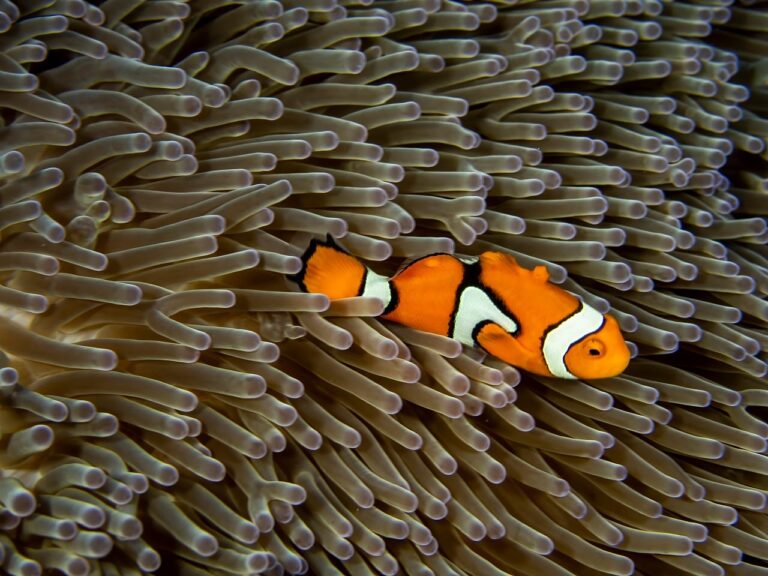
Clownfish are territorial, not friendly. When you touch them or block their path, you stress them out. Stressed fish produce cortisol, which weakens their immune system and makes them more vulnerable to disease. It also frightens them, causing them to hide inside the anemone. That means the next diver gets a less rewarding experience.
The anemone itself is even more delicate. Touching it damages its tentacles and can cause it to retract for hours or even days. If an anemone retracts, it can’t feed or photosynthesize properly. Repeat offenses can kill it.
The rule is simple: stay at least two feet away from the anemone. Don’t reach in. Don’t point your fins at it. Don’t try to coax the clownfish out with your hand. If you want a closer look, use a telephoto lens or just float still and let the fish come to you. They’re curious—if you stay calm, they’ll often swim right up.
On the Great Barrier Reef and many other protected areas, touching coral or anemones is illegal and carries fines. Even where it’s not regulated, it’s bad practice. You’re there to observe, not interact.
How to Approach an Anemone Without Harming It or the Clownfish
Getting close to an anemone is a skill. It requires control, patience, and awareness of your gear.
Step 1: Approach from the side. Don’t swim directly over the anemone. That blocks the light and can cause it to retract. Approach at eye level, slowly, with your fins behind you.
Step 2: Maintain a hover. Use your breath control and BCD to stay still. Don’t kick. If you need to adjust your position, use small hand movements or a gentle fin flick.
Step 3: Use a reef-friendly spot for stability. If you need a finger rest, use a rock or a sandy patch, not the anemone. Never grab the anemone or its base. If there’s nothing to rest on, stay in the water column.
Now, about hand tools. Some divers use a dive stick to help stabilize themselves in current. That’s fine, but only if you use it on dead rock or sand. A dive stick on coral is just controlled destruction. Reef-safe dive gloves are a better alternative—they give you grip without the risk of scraping coral. But you don’t need to touch anything at all. A little practice hovering pays off more than any tool.
Timing Your Dive to See Clownfish Without the Crowds
Clownfish anemones are popular stops on most reef tours. That means if you dive at 10 a.m., you’re sharing the site with a dozen other divers. That’s bad for you and the reef. More divers mean more chance of accidental contact, more silt stirred up, and more stressed fish.
The solution is early morning dives. Most sites are quieter at dawn. The light is better for photos, the water is calmer, and the fish are more active. I’ve had dives at 6 a.m. where we had an anemone entirely to ourselves for 20 minutes. By 8 a.m., the first boat was dropping people off. We saw three times as many fish because we weren’t competing with other divers.

If you can book a private guide or a small-group tour, do it. The extra cost is worth it for the quality of the experience and the reduced impact on the reef. Some operators also have early-bird specials. Ask when you book.
What to Do If You Accidentally Kick a Coral Head or Anemone
It happens. Buoyancy control isn’t perfect, especially when you’re distracted by a beautiful fish. But what you do afterward matters.
- Stop moving immediately. The worst thing you can do is panic and kick again, which only causes more damage.
- Check for damage. Look at the area you hit. Is the coral broken? Is the anemone retracted? Note the extent of the damage so you can report it.
- Avoid touching it. Don’t try to “fix” the coral or adjust the anemone. You’ll only make it worse.
- Signal your buddy. Let them know what happened. They can help you reposition.
- Report it to the dive master. If you broke coral, the dive site needs to know for conservation tracking. Some sites have fines for damaging coral, but honest reporting builds trust and shows you take the reef seriously.
Comparing Dive Slates, Reef Hooks, and Other Hand Tools for Reef Etiquette
In current-heavy clownfish sites, hand tools can help you stay stationary without kicking. But not all tools are equal, and some are more harmful than others.
Dive Slates
A slate lets you communicate with your buddy or write notes. It’s bulky but useful, especially in strong current where hand signals are hard to see. Best for: divers who want to communicate complex messages. Tradeoff: it’s extra weight and can get in the way.
Reef Hooks
A reef hook clips onto your BCD and you wedge it into dead rock or sand to hold your position. It’s a great tool for current, but it’s easy to misuse. If you hook into live coral, you’re damaging the reef. Only use it on dead substrate. Best for: experienced divers in strong current. Best avoided by: beginners who might not recognize live vs. dead rock.
Camera Trays
A tray handle for your camera gives you a stable platform for photos. The benefit is that you don’t have to reach in to frame a shot. The downside is that it’s one more thing to manage and can distract you from buoyancy control. Best for: photographers who want steady footage. Best for: divers who have already mastered neutral buoyancy.
Reef-Safe Dive Gloves
Gloves give you grip if you need to hold onto a rock. Use them sparingly. Best for: divers who need stability and don’t want to use a hook.
Divers who need a reliable way to communicate or maintain position may want to consider a dive slate or reef hook on Amazon.
How to Read Current and Plan Your Safety Stop Before You Even Get Wet
Your safety stop starts before you enter the water. Good planning prevents bad stops.
First, check the tide charts. Incoming tides usually create more current. If you’re diving on an incoming tide, plan to start your safety stop near a channel or a sandy patch where the current is weaker.
During the site briefing, note the exit point. Where does the boat plan to pick you up? If the current is running from east to west, you’ll drift west during the dive. Your safety stop should be somewhere that doesn’t put you downcurrent of a reef wall or a boat traffic zone.
I once dove a site where the standard exit was a rock jetty. The diver who planned his safety stop over the jetty was fine. The one who stopped over the coral heads nearby? He got pushed into the coral, broke a tabletop coral, and spent the rest of the stop trying to kick away. He was lucky he didn’t get hurt. Plan your stop over sand, not over reef.

The Bottom Line: Safety and Respect Go Hand in Hand
None of this is all that complicated. Do your safety stops. Keep your distance from anemones. Plan your dives. Use the right gear. Your dive computer is the single most important tool you can own—it keeps you safe, times your stop, and helps you dive longer. If yours is old or missing features, consider upgrading before your next clownfish trip.
Shop for dive computers on Amazon
The more you respect the reef, the more it rewards you. Clownfish are a privilege to see, not a right. Treat them that way, and they’ll be there for the next generation of divers.