Pink Skunk Clownfish: Reef Safe and Personality Packed
Introduction
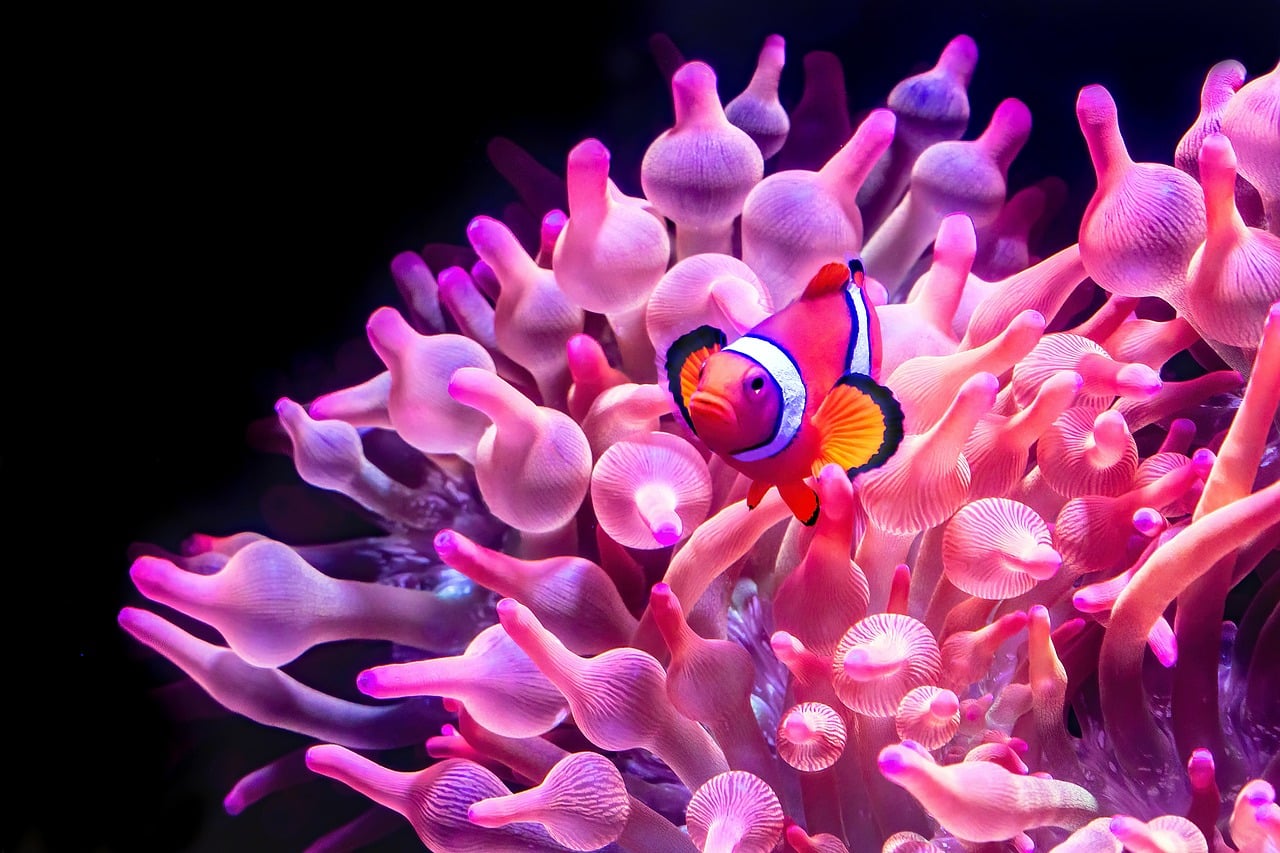
If youâre setting up a reef tank and want a clownfish that wonât cause chaos, the pink skunk clownfish (Amphiprion perideraion) is worth a closer look. Theyâre hardy, have a calm temperament, and bring a clean, distinctive look to any tank. The big question most aquarists ask is straightforward: is the pink skunk clownfish reef safe?
The short answer is yes, but the full picture involves understanding how they behave with corals, anemones, and other tank mates. Iâll cover what âreef safeâ actually means for this species, their care requirements, suitable tank mates, and what to look for when buying one. Whether youâre upgrading your nano to a community reef or just starting with a peaceful pair, this guide gives you the practical details you need.

What Makes a Clownfish Reef Safe?
When hobbyists call a fish âreef safe,â they usually mean it wonât eat corals, damage invertebrates, or harass other peaceful tank inhabitants. For clownfish, this is a spectrum. Some species, like maroon clownfish, are notoriously aggressive and will bully tank mates while hosting in corals, tearing the tissue in the process. Others, like ocellaris and percula, are generally well-behaved around corals.
The pink skunk clownfish sits firmly on the peaceful end of that spectrum. They donât have the same territorial aggression as maroons, and their natural hosting tendencies are more focused on specific anemones rather than stony corals. In my experience, they may occasionally nip at a soft coral if they decide to host in it, but they rarely cause lasting damage. This makes them a safer choice for a mixed reef where you want the clownfish personality without the coral destruction.
That said, no fish is 100% reef safe in every situation. Thereâs always a chance an individual pink skunk will decide your elegance coral looks like a good home. But compared to most other clownfish species, their reef-safe reputation is well earned.
Pink Skunk Clownfish Overview: Size, Color, and Lifespan
Letâs get the numbers straight so you can plan accordingly. Pink skunk clownfish reach about 4 inches (10 cm) as adults, with females slightly larger than males. They grow relatively slowly, taking a year or two to reach full size from a juvenile.
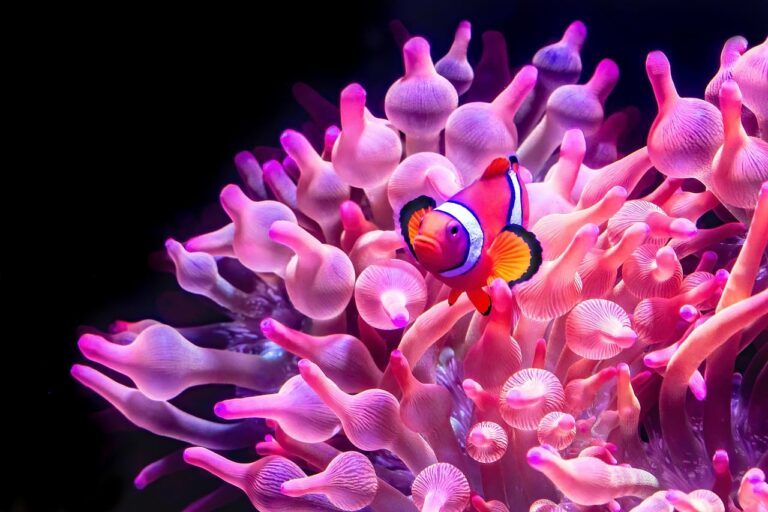
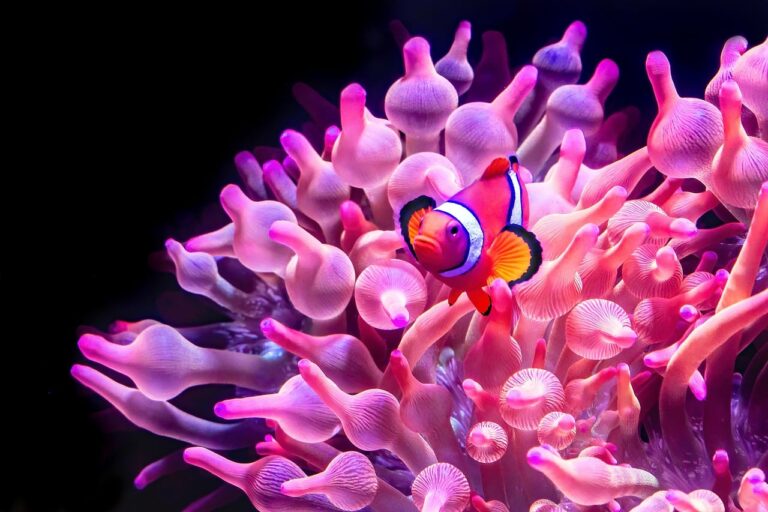
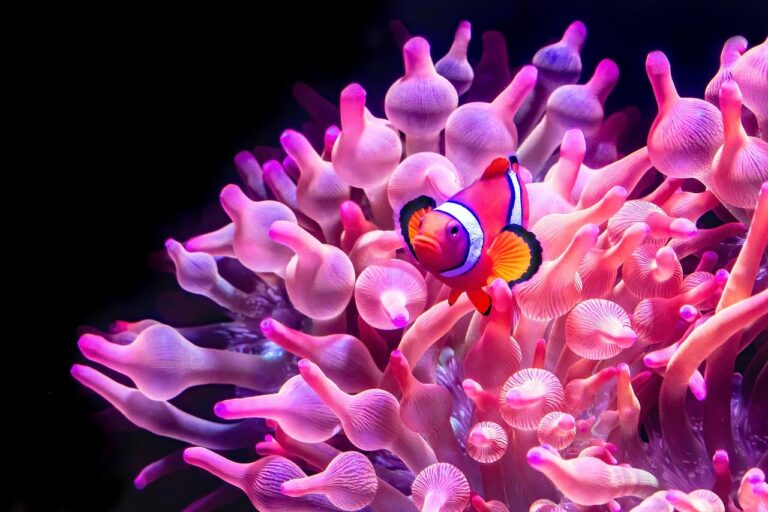
The coloring is what gives them their common name. A bold white stripe runs from the snout along the top of the back, almost like a skunkâs marking. The body is a soft orange-pink, sometimes with a slightly translucent quality under good lighting. The fins are often edged in white, giving them a clean, polished look.
In captivity, with proper care, expect a lifespan of 6 to 10 years. Some individuals have been known to live longer in well-maintained systems. That means buying a pink skunk is not a short-term commitment. Youâre signing up for a fish that will likely outlast a few of your other tanks or moves. Make sure your setup can support them for the long haul.
Tank Size and Setup for a Pink Skunk Clownfish
A single pink skunk clownfish can live comfortably in a 20-gallon tank. For a mated pair, bump that up to a 30-gallon minimum. If youâre planning a community reef with other fish, aim for 40 gallons or more to give everyone enough room to establish territories. For a reliable setup, aquarists often start with a quality reef tank kit that includes essential filtration and lighting.
Tank shape matters. Longer tanks (4-foot dimensions) are better than tall cubes because they provide more horizontal swimming space. Clownfish arenât high-velocity swimmers, but they do appreciate room to cruise and explore. Flow should be moderate. Too much current stresses them; too little leads to dead spots. A good return pump or wavemaker with adjustable flow works well.
Aquascaping should include plenty of hiding spots. Rockwork with caves, overhangs, and crevices gives them places to retreat if they feel threatened. If you plan to add an anemone, leave enough open sand or rock space around the intended host area. Pink skunks arenât picky, but they do like a defined territory.
Avoid the common mistake of putting them in a nano tank under 15 gallons. They might survive for a while, but growth and health will suffer. Space is a genuine requirement, not an optional upgrade.

Are Pink Skunk Clownfish Really Reef Safe? A Practical Look
Letâs cut through the marketing and get into the real-world behavior. Iâve kept pink skunk clownfish in mixed reefs with SPS, LPS, and soft corals. In every case, they ignored the stony corals entirely. They showed mild interest in some fleshy LPS, like elegance corals and frogspawn, occasionally rubbing against them. But I never saw tissue damage from their behavior.
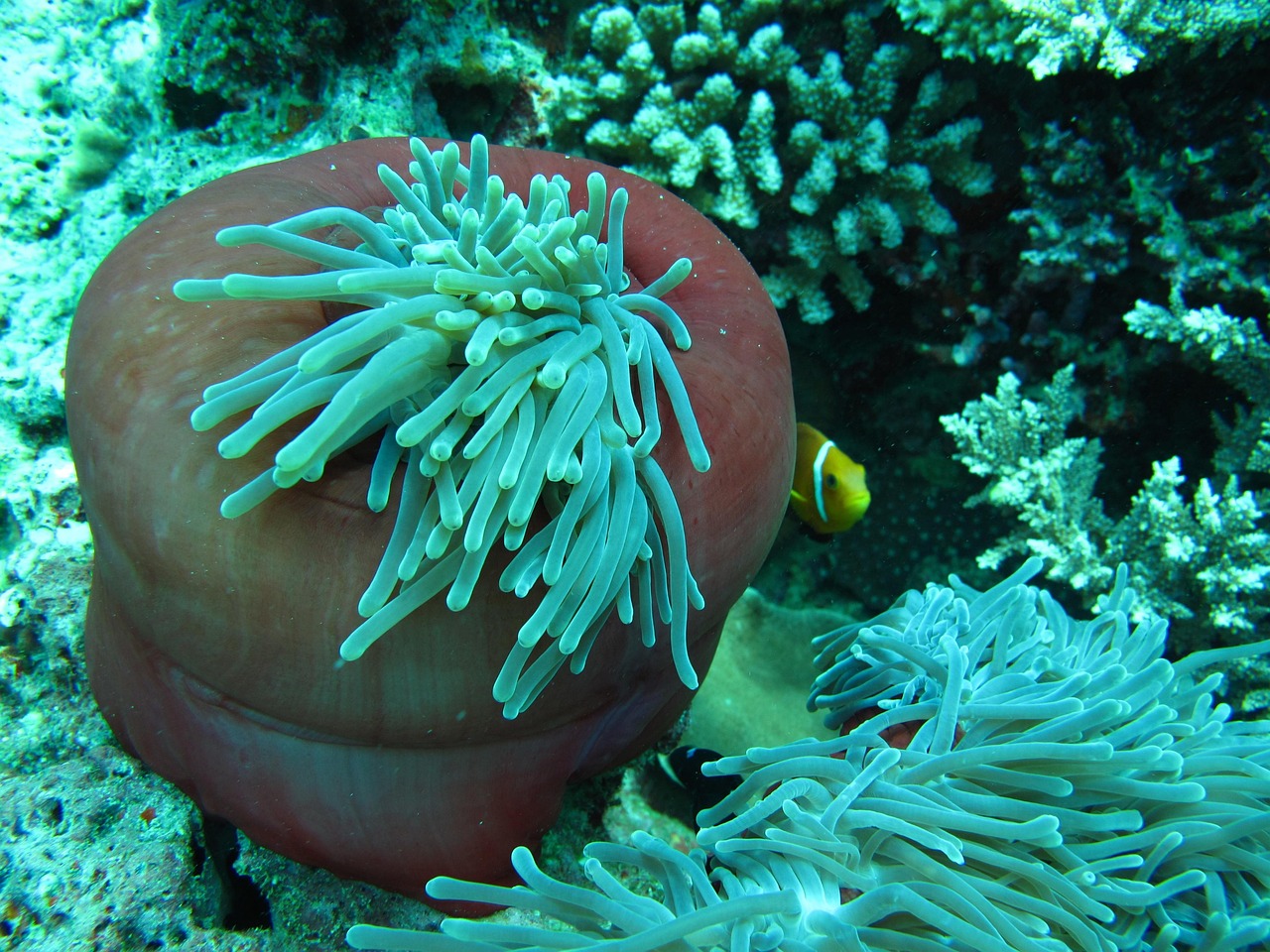
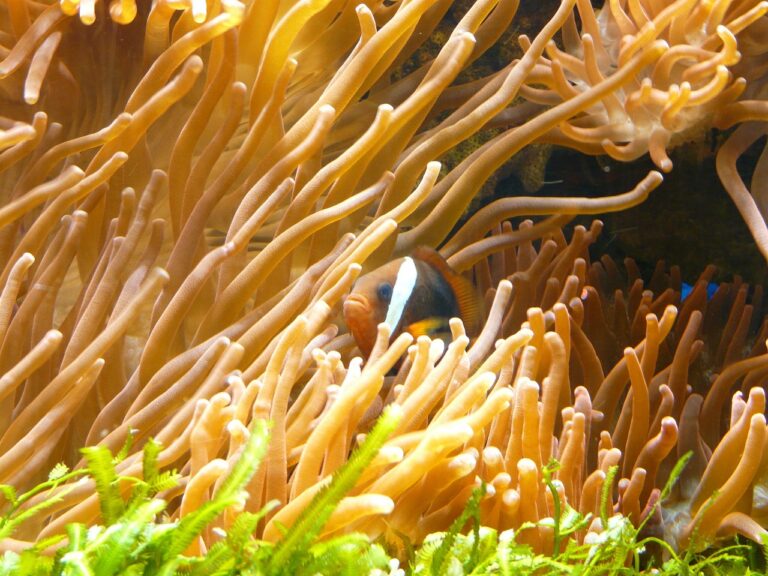
Where things get interesting is with anemones. Pink skunks are obligate hosters in the wild, meaning they typically pair with a specific anemone species, often the sebae anemone (Heteractis crispa) or the magnificent anemone (Heteractis magnifica). In a reef tank, they will sometimes host in corals if no anemone is available. This is where minor issues can arise. A torch coral or a large leather coral might get some wear from constant hosting, but itâs usually cosmetic and the coral recovers quickly.
Compared to maroon or clarkii clownfish, which can shred leather corals, pink skunks are much gentler. They also donât defend their host as aggressively. Thatâs both a pro and a con. Pro: less aggression toward tank mates. Con: they may not defend the host against other fish that decide to investigate. If you keep a peaceful community, this is rarely a problem.
In short, the pink skunk is one of the most reef-safe clownfish you can buy. Itâs a great choice for a mixed reef where you want the clownfish personality without the coral battle.
Tank Mates: Who Can Live With a Pink Skunk Clownfish?
Because pink skunks are on the peaceful side, they do best with similarly mellow tank mates. Here are some safe picks:
- Gobies: Watchman gobies, neon gobies, and shrimp gobies are all good choices.
- Blennies: Lawnmower blennies and bicolor blennies are peaceful and keep algae in check.
- Damsels: Some of the smaller, less aggressive damsels like chromis work well. Avoid blue-green chromis if youâre trying to keep numbers low.
- Wrasses: Six-line wrasses, melanurus wrasses, and fairy wrasses are usually fine.
- Peaceful angelfish: Dwarf angels like flame or coral beauty angels pose no threat.
On the flip side, avoid these:
- Aggressive triggers: Any triggerfish is a risk.
- Large lionfish or groupers: They will eat the clownfish.
- Fish that eat anemones: Some butterflyfish and angelfish species will snack on anemones, which can stress or kill the clownfishâs host.
- Dominant maroon clownfish: Never put a pink skunk in a tank with a maroon. The maroon will bully it relentlessly.
Species hierarchy is real. Pink skunks are not pushovers, but they are not aggressors either. Give them space and theyâll hold their own.
Diet and Feeding Schedule
Pink skunk clownfish are omnivores. In the wild, they eat small crustaceans, algae, and zooplankton. In a tank, they thrive on a varied diet. Hereâs what I feed mine:
- High-quality pellets (like New Life Spectrum or Omega One) as a staple.
- Frozen mysis shrimp and brine shrimp a few times a week.
- Spirulina flakes or pellets for the plant matter component.
- Occasional treats like chopped krill or finely minced seafood.
Feed juveniles 2â3 small meals a day. Adults do well with once or twice daily feedings. They are eager eaters and will come to the front of the tank when they see you. That makes feeding easy, but donât overdo it. A five-minute feeding window is enough. A varied selection of reef fish food can help ensure balanced nutrition.
A common issue happens when introducing a new pink skunk to a tank. They may go on a hunger strike for a day or two while they adjust. This is normal. Offer a mix of frozen and pellet food, and theyâll start eating once they feel secure.
Quality matters. Cheap flake food lacks nutrition and can cause digestive issues. Stick with reputable brands. Your clownfish will show better color and growth on a good diet.
Breeding and Pairing Pink Skunk Clownfish
Pairing pink skunks is relatively straightforward. They are protandrous hermaphrodites, meaning they are born male and the dominant individual becomes female. A mated pair consists of a larger female and a smaller male. If you buy a group of juveniles, they will naturally form pairs over time, but you may end up with aggression. Better to buy a known pair or a bonded pair from a reputable source.
Breeding in captivity is possible with stable water parameters, a host anemone or a suitable surrogate, and good nutrition. The female lays eggs on a flat surface near the host, often on a rock or a tile. The male guards and fans the eggs. Hatching occurs in about a week, depending on temperature.
Raising fry is another level of commitment. They need rotifers, baby brine shrimp, and frequent water changes. Itâs doable for experienced breeders but not something to jump into casually. If youâre just interested in a tank with a healthy pair, know that they may spawn regularly. Thatâs actually a good sign of a happy tank.
Common Health Issues and How to Avoid Them
Pink skunk clownfish are hardy, but theyâre not invincible. The most common issues stem from stress, poor water quality, or introduction of sick fish.
Brookynella is a parasite that attacks clownfish specifically. It appears as a white, slimy film on the skin and causes rapid breathing, lethargy, and scratching. Itâs fatal if untreated. Quarantine new fish for 4â6 weeks and treat with formalin-based medications if symptoms show.
Velvet and ich are also common. Symptoms include tiny white spots, flashing, and clamped fins. Again, quarantine is your best defense. Maintain stable salinity and temperature. Copper-based medications or hyposalinity can treat these parasites.
Bacterial infections like fin rot or mouth fungus often occur after shipping or handling. Stress lowers immunity. Keep water quality pristine, and use antibiotics if needed.
The single best health decision you can make is to quarantine every new fish for at least four weeks. Itâs not optional. Itâs the difference between a healthy tank and a disaster. Set up a simple QT tank with a sponge filter, a heater, and some PVC pipes for hiding. It doesnât need to be fancy. A dedicated quarantine tank kit can simplify the process for beginners.
Pink Skunk vs. Other Clownfish: A Quick Comparison
Hereâs how the pink skunk stacks up against popular alternatives:
- Ocellaris and Percula: These are the classic âNemoâ clowns. They are also reef safe and peaceful, but they are more common and less expensive. Pink skunks are slightly larger and have a more unique look. Ocellaris are easier to find and breed, but pink skunks are just as hardy.
- Maroon Clownfish: Maroons are bigger, more aggressive, and more prone to damaging corals. They are not reef safe in the same way. If you want a peaceful tank, avoid maroons. Pink skunks are the clear winner for community reefs.
- Clarkii Clownfish: Clarkiis are moderately aggressive and known to host in a wide range of corals, sometimes causing damage. They are more active and outgoing. Pink skunks are more reserved and less likely to cause coral damage.
For a nano tank with a single clownfish, ocellaris or pink skunk both work. For a community reef, the pink skunk is a better fit if you want a tank that stays calm. For breeders, ocellaris are easier to work with. Pink skunks are less common but offer a more distinctive appearance and a peaceful temperament.
Where to Buy a Pink Skunk Clownfish: Tips for Healthy Stock
Your best bet is to buy a captive-bred pink skunk clownfish. They are hardier, less stressed, and acclimated to tank life. Wild-caught specimens are available but carry a higher risk of disease and may have host-specific instincts that donât translate well to captivity.
Local fish stores (LFS) sometimes carry them, but you may need to special order. Reputable online retailers like LiveAquaria or ORA (Oceans, Reefs & Aquariums) often have captive-bred pink skunks in stock. Prices range from $30 to $60 for a single fish. Bonded pairs go for a premium, around $80 to $120.
Avoid buying from sellers that donât guarantee live arrival or have poor reviews. Look for a written health guarantee and fast shipping. When the fish arrives, acclimate it slowly. Drip acclimation over 45â60 minutes is standard.
If youâre setting up a new tank, buy the tank and equipment first, cycle it, then add the clownfish last. A mature, stable tank gives them the best start.

Final Checklist Before Adding a Pink Skunk Clownfish to Your Reef
Before you buy, run through this quick list:
- Tank readiness: Is the tank cycled? Parameters stable (ammonia 0, nitrite 0, nitrate under 20, salinity 1.023â1.025)?
- Size: Do you have at least 20 gallons for a pair? More for a community.
- Host availability: Do you have an anemone or a peaceful coral they can host in? Not required, but nice.
- Tank mates: Are they peaceful? No aggressive triggers or maroon clownfish?
- Feeding plan: Do you have pellets, frozen foods, and a feeding schedule ready?
- Quarantine: Do you have a QT tank set up?
If you answered yes to all, youâre ready. These fish are a solid addition to any peaceful reef. If youâre still setting up, these recommended products will make the process smoother. A reliable tank kit, quality food, and a good test kit are the basics that pay off every time.