Best Clownfish Dive Sites in Thailand: From Koh Tao to the Similan Islands
Introduction
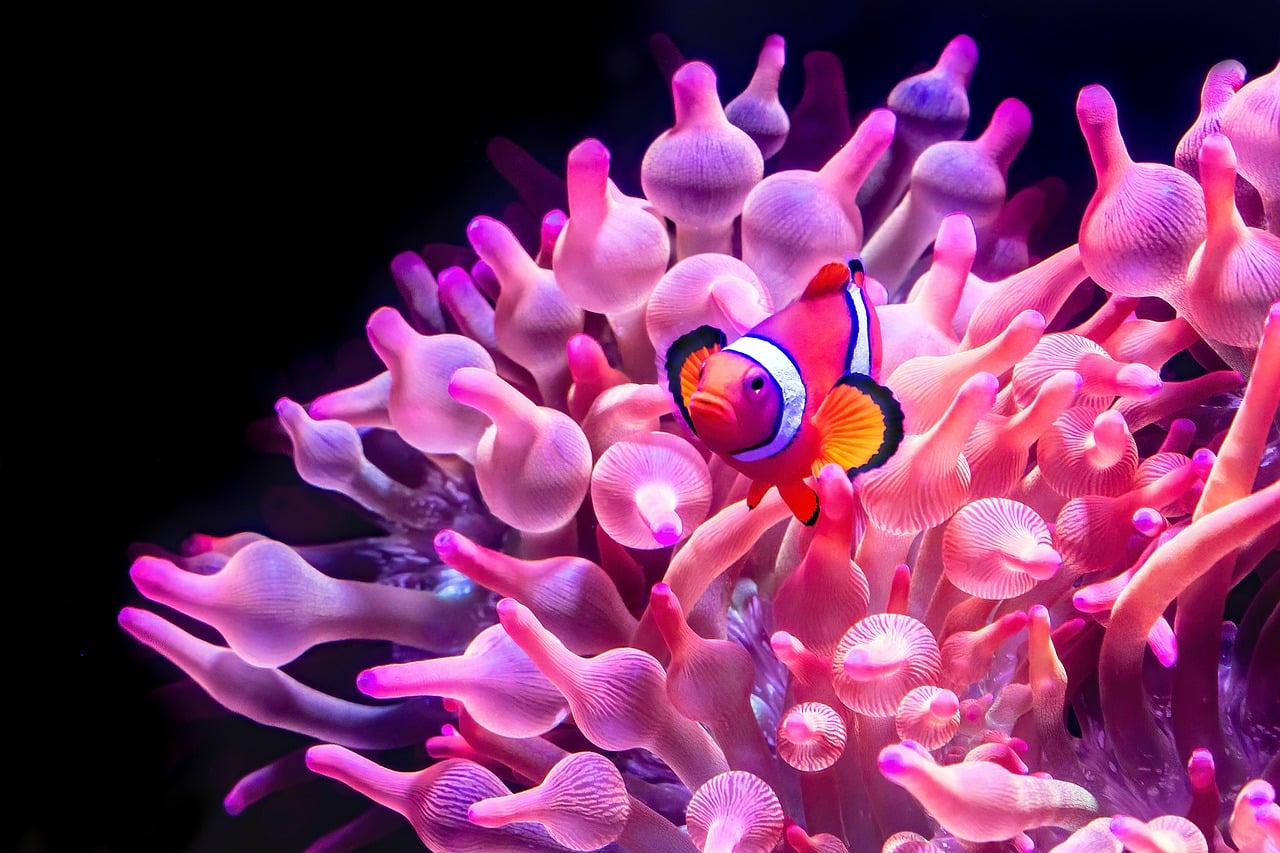
If seeing clownfish in the wild is on your dive bucket list, Thailand should be your starting point. From the nutrient-rich waters of Koh Tao to the pristine reefs of the Similan Islands, Thailand’s clownfish dive sites offer some of the most reliable and accessible encounters with these fish anywhere on the planet. This article covers the best locations, the practical logistics of getting there, and the gear you will actually need. Whether you are a newly certified diver or someone with hundreds of dives under your belt, the goal is to help you plan a trip that maximizes your time in the water with these fish. Let’s get straight into why Thailand is such a strong contender for this kind of diving.

Why Thailand is a Top Destination for Clownfish Diving
Thailand’s position in the Coral Triangle gives it a natural advantage. Water temperatures hover around 28-30°C (82-86°F) year-round, which is the sweet spot for both coral growth and anemone health. Visibility varies by region but generally ranges from 10-30 meters, more than enough to spot the distinct orange and white of a clownfish against a sea anemone.
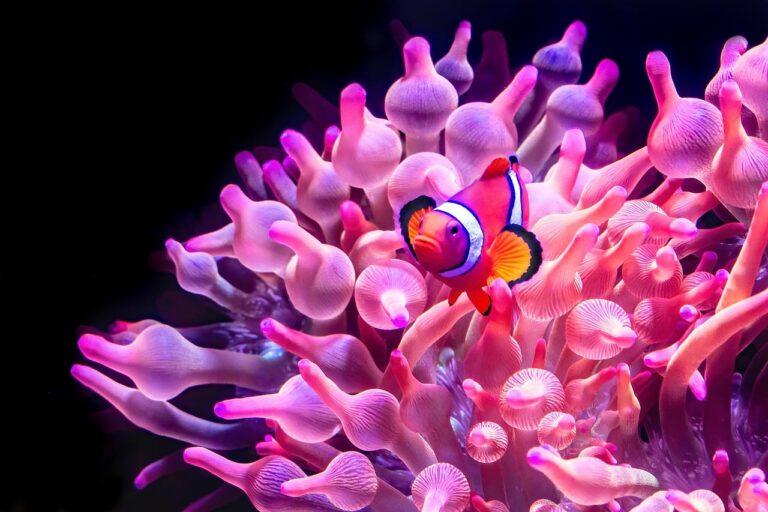
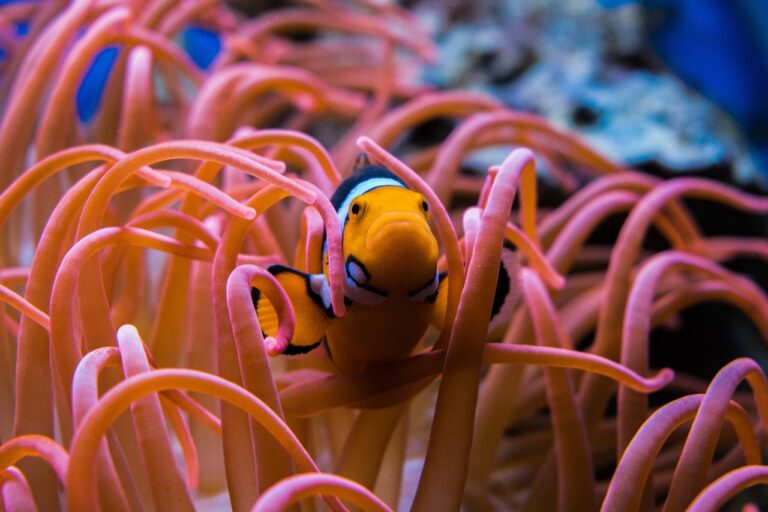
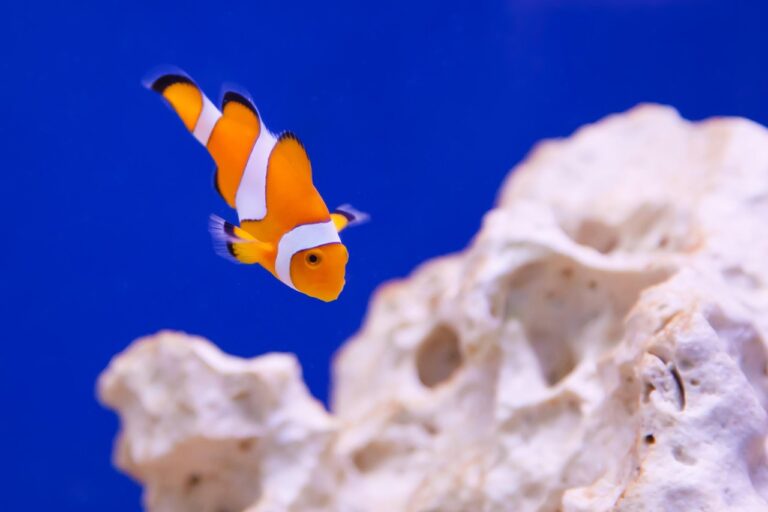
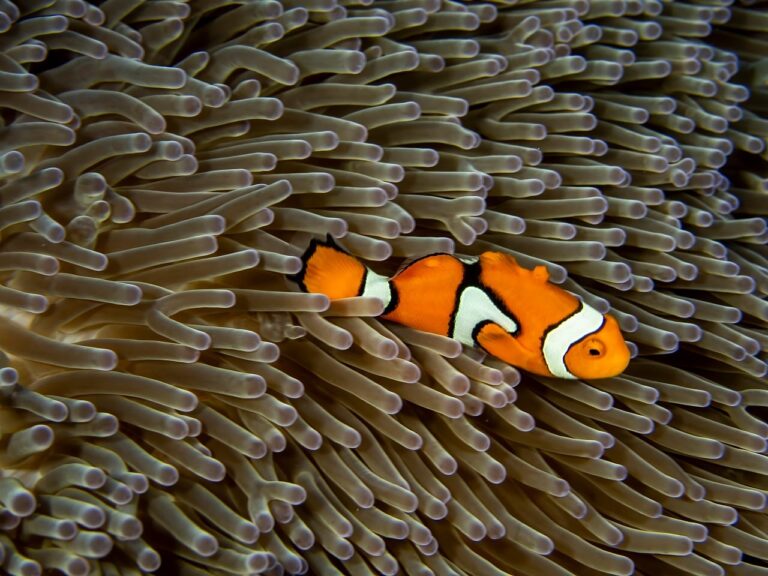
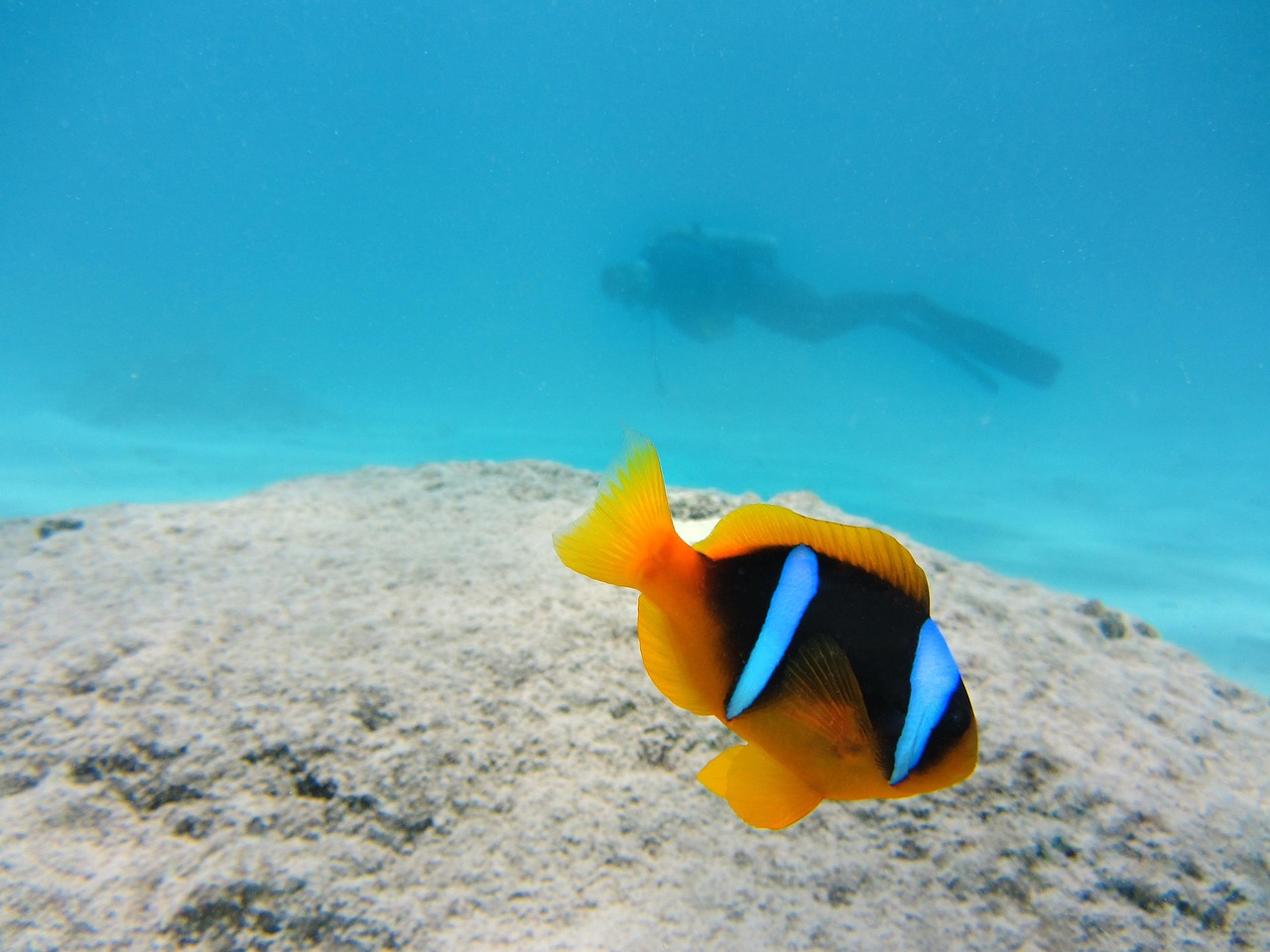
You will primarily encounter the False Clownfish (Amphiprion ocellaris), the species most people recognize from Finding Nemo, and Clark’s Anemonefish (Amphiprion clarkii), which is more widespread and adaptable. The variety isn’t just about species, though. The density of anemones on certain reefs, especially in Koh Tao, is what makes Thailand stand out. It is not uncommon to find a single large coral bommie hosting multiple anemones, each with a resident pair or small group of clownfish. This density makes encounter rates extremely high, which is a huge advantage for divers who want reliable sightings without spending half the dive searching.
Coral health in Thailand has taken hits over the years from bleaching events, but the resilient areasâparticularly deeper pinnacles and current-swept sitesâstill maintain strong anemone populations. For a diver focused on clownfish, knowing exactly where to go and when is everything. That is what this guide is built around.
Best Time of Year to Dive for Clownfish in Thailand
The answer depends entirely on which coast you are diving. Thailand has two main coastlines: the Andaman Sea (west) and the Gulf of Thailand (east). They experience opposite monsoon seasons, which means your timing is critical.
Andaman Sea (Similan Islands, Surin Islands, Koh Lipe):
The best window is from late October to early May. The Similan Islands and Surin Islands are officially closed to tourism from mid-October to mid-May, but the actual diving season usually runs from November to April. Visibility peaks between December and March, often exceeding 25 meters. Water temperatures during this period sit around 27-29°C. A 3mm wetsuit is comfortable, though some divers prefer a 5mm for repeated dives on liveaboards. Travelers who need reliable thermal protection for extended liveaboard trips may want to check out lightweight wetsuit options online. Crowds are heaviest from December to February, so if you want better conditions and fewer boats, consider November or late April.
Gulf of Thailand (Koh Tao, Koh Phangan):
Koh Tao is diveable year-round, but the best conditions are from April to September. This period offers the calmest seas and best visibility, often 15-20 meters. The monsoon season (October to January) brings rougher seas and reduced visibility, though diving is still possible and air temperatures are lower. Water temperatures range from 27-30°C year-round. A 3mm shorty or full-length wetsuit is usually sufficient. For longer trips, a reliable dive computer is a useful upgrade to track multiple dives accurately.
Decision Framework:
If your priority is the Similan Islands (larger anemones, more pristine reefs), plan your trip between November and April. If you want consistent, accessible diving with high clownfish density and lower cost, Koh Tao is your best bet anytime except the monsoon months (October-December). For a combined trip, aim for the shoulder months of November or April when both coasts are in reasonable shape.
One mistake I see regularly is people booking a liveaboard to the Similan Islands in September or October, expecting great diving, only to find the sites closed or conditions poor. Always check the specific closure dates for the year you are travelingâthey can shift slightly.
Koh Tao: The Anemone Capital of the Gulf
Koh Tao is not just a training hub for new divers; it is genuinely one of the best places in the world to see clownfish in high density. The rocky reefs and granite boulders create complex terrain that anemones love. Unlike fringing reefs that drop off quickly, Koh Tao’s dive sites are often shallow (5-15 meters) with coral bommies scattered across sandy patchesâperfect habitat for anemones and their residents.
Top Dive Sites:
- Hin Wong Pinnacle: This is my favorite for clownfish. A submerged pinnacle that rises from 20 meters to about 5 meters, it is absolutely covered in anemones. The current can be mild to moderate, which brings in plankton and keeps the anemones healthy. Expect to see False Clownfish at every depth, often in groups of 6-10 fish per anemone.
- Twins: Two large coral bommies at around 14 meters. The shallower sides are packed with anemones, especially on the eastern bommie. This is a great site for beginners who want to spend a full 45 minutes in one spot observing behavior.
- Japanese Gardens: A shallow reef (5-12 meters) ideal for macro photography. The anemones here are slightly smaller, but the clownfish are bold and often come right up to your camera. The sandy bottom means good visibility, but watch your fin kickâstirring up silt can ruin a shot. A focus light can help maintain sharp focus in these low-contrast conditions.
- Shark Island: Deeper than the others (18-24 meters), but the anemones here are enormous. The clownfish are more skittish due to stronger currents, but the sheer size of the anemone colonies is impressive.
Common Mistake:
Most divers descend straight to 18+ meters on these dives, hoping to see larger marine life. The real action for clownfish is often in the 5-12 meter range. Spend your safety stop drifting over the bommies at 5 metersâyou will see more clownfish there than at depth. Surface conditions can also get choppy on the west side of the island (Twins, Japanese Gardens) in the afternoon. Morning dives (8-10 AM) usually have flatter seas and better light for photography.

Mistakes to Avoid When Clownfish Spotting in Koh Tao
Experience has taught me a few hard lessons about finding and photographing clownfish here:
1. Fin Damage to Anemones:
Anemones are fragile. A single fin kick can tear a tentacle or dislodge the anemone from its substrate. This not only harms the habitat but spooks the clownfish. Keep your fins off the bottom and use your hands to stabilize on a rock if needed. Many dive shops in Koh Tao now require reef-safe fins and awareness briefingsâtake them seriously.
2. Moving Too Fast:
Clownfish are territorial, but they will hide if you approach aggressively. Slow down. Hover near an anemone for 2-3 minutes without moving. The clownfish will eventually emerge and start their normal behaviorâfeeding, cleaning, and interacting with each other. This is when you get the best photos, not when you chase them.
3. Ignoring Small Coral Bommies:
The large, obvious bommies get all the attention. Meanwhile, small, isolated rocks at 5-8 meters depthâmaybe no bigger than a car tireâoften host a single anemone with a pair of clownfish. These are easier to photograph because there are fewer divers around and the background is cleaner.
4. Diving During Peak Crowd Hours:
Koh Tao dive sites can get busy between 9 AM and 11 AM, especially at Japanese Gardens and Twins. If you can book a late afternoon dive (1 PM or later), you will have fewer bubbles, calmer water, and the clownfish will be out in the open. Sunset dives are also excellent for behavior, as clownfish sometimes spawn late in the day.
Similan Islands: Andaman Sea Clownfish Encounters
The Similan Islands are a completely different experience from Koh Tao. The reefs here are more pristine, the coral coverage is higher, and the anemones are larger. However, the tradeoff is that the season is limited (November to May), currents can be strong, and access is primarily via liveaboard or day boats from Khao Lak.
Top Dive Sites:
- Elephant Head Rock: A large granite boulder formation with swim-throughs and overhangs. The anemones here are scattered throughout the shallows (5-12 meters) and are often home to larger, more aggressive False Clownfish. The current can rip through the channels, so good buoyancy is essential.
- Christmas Point: Known for its coral hills and sandy slopes. This is a reliable site for Clark’s Anemonefish. Visibility is often excellent (25-30 meters), and the reef is less crowded than Elephant Head.
- Shark Fin Reef: A sloping reef that drops to 30+ meters. Anemones here are found at 10-18 meters among staghorn coral. The clownfish are less numerous than in Koh Tao, but the variety of other marine life (turtles, reef sharks, rays) adds value to this dive.
Koh Tao vs. Similan for Clownfish:
If you want the highest chance of seeing a clownfish on every dive, Koh Tao wins. The density is simply higher. However, if you want larger anemone colonies, more diverse coral ecosystems, and a chance at seeing clownfish alongside bigger pelagics, the Similan Islands are worth the extra cost and planning. Similan clownfish are also less habituated to divers, so their behavior is more naturalâless approachable but more rewarding to observe.
Practical Tip:
Book your Similan liveaboard at least 3-6 months in advance if you want a specific boat or itinerary. The best boats fill up quickly, especially during peak season (December-February). Also, consider a 3-4 day liveaboard rather than a single day trip. Day trips from Khao Lak involve a long boat ride (1.5-2 hours each way) and only allow 2-3 dives. A liveaboard gives you 4-5 dives per day, including night dives where anemones can glow under UV light.
Liveaboard vs. Day Trips for Clownfish Diving
This is the most practical decision you will make for your trip. Here is the breakdown:
Liveaboard (Similan, Richelieu Rock):
Best for divers who want remote, pristine sites with large anemone colonies. You get 4-5 dives per day, including night dives, which can reveal nocturnal clownfish behavior (they often sleep in the anemone’s center). The cost is higherâtypically $150-250 per day for a mid-range boatâbut you get more dives per dollar than day trips. Liveaboards also access sites like Richelieu Rock, which has some of the largest anemones in Thailand. Book 3-6 months ahead for peak season.
Day Trips (Koh Tao, Koh Lipe):
Best for budget-conscious divers or those who want flexibility. A day trip in Koh Tao costs $30-50 for 2-3 dives, including equipment rental. You can choose your dive sites daily based on conditions. The downside is that you are limited to sites close to shore, and the reefs can be crowded. For clownfish spotting, day trips in Koh Tao are excellent because you can spend multiple dives on the same bommie, getting to know the resident pairs.
Best For:
If you are a dedicated clownfish enthusiast, a liveaboard to the Similan Islands or Richelieu Rock is worth the investment. The anemones are healthier and larger, and the diving is more immersive. If you are on a budget or prefer to control your schedule, stick with day trips in Koh Tao. You will still see plenty of clownfish, and you have the freedom to skip a bad weather day.
Practical Tip:
For liveaboards, bring a backup dive computer if you have one. On longer trips, battery life can be an issue, and having a second computer means you can swap without missing a dive. Also, pack a small dry bag for your cameraâsalt spray on the deck can kill electronics.

Other Top Sites: Surin Islands and Koh Lipe
Surin Islands:
These islands are even more remote than the Similans and offer less crowded reefs. The dive sites here are more exposed to open ocean conditions, so currents can be strong. Anemone density is lower, but the colonies that exist are massive. The main dive site, Richelieu Rock, is actually closer to the Surin Islands than the Similans and is a must-visit for large anemone fans. Access is via liveaboard from Khao Lak or a day trip from the Surin Islands themselves. Accommodation is limited to basic bungalows on the island, so plan accordingly.
Koh Lipe:
Located in the far south near the Malaysian border, Koh Lipe is accessible from the mainland via Pak Bara pier (2-hour speedboat ride). The dive sites here, like Stonehenge and 8 Mile Rock, offer excellent visibility (20-30 meters) and healthy coral. Anemone density is not as high as Koh Tao, but the clownfish are often larger and more colorful due to the stronger water flow. Koh Lipe is a good option if you want a laid-back island atmosphere with decent diving, but the best sites require a 30-45 minute boat ride.
Logistics:
For Surin, book a liveaboard or a multi-day tour from Khao Lak. For Koh Lipe, fly to Hat Yai airport and take a minivan to Pak Bara pier. Accommodation in Koh Lipe ranges from budget bungalows to mid-range resorts. Book at least a month in advance during high season (November-April).
Photography Tips for Clownfish in Thailand
Getting good photos of clownfish in Thailand is not difficult if you follow a few rules. Here is what works:
- Camera Settings: Use aperture priority mode (f/8 to f/11 for sharpness, or f/2.8 for a shallow depth of field to isolate the fish). Shutter speed should be at least 1/125 sec to freeze movement. ISO at 200-400 for clean images.
- Lighting: Natural light works well for clownfish in shallow water (5-10 meters). Use a focus light to ensure accurate autofocus, especially in the shadows of the anemone. For deeper dives, a strobe or video light will bring back the reds and oranges. A red filter on your camera housing helps correct color in blue water. For beginners, a compact underwater camera with built-in macro capabilities is a solid starting point.
- Patience: The biggest mistake is chasing the fish. Find an anemone, get comfortable at a distance of 1-2 meters, and wait. The clownfish will eventually ignore you and return to their normal behaviorâfeeding, cleaning eggs, or fighting with neighbors. That is when you get the best shots.
- Shoot Early or Late: The best natural light is in the first hour of the morning dive (8-9 AM) or the last hour of the afternoon (3-4 PM). At these times, the sun is lower, creating more background contrast and fewer backscatter particles from your bubbles.
- Gear: A compact camera with a macro mode (like the Canon G7X or Sony RX100) paired with a single strobe is more than enough for clownfish. A focus light is a cheap upgrade that makes a huge difference. For serious photographers, a DSLR or mirrorless with a 60mm or 100mm macro lens will give you the sharpest detail. Avoid wide-angle lensesâthey make the clownfish look tiny in the frame.
Essential Gear for a Clownfish-Themed Dive Trip
Packing the right gear for a clownfish trip in Thailand is about solving specific problems. Here is what I have found useful:
- Reef-Safe Sunscreen: Many dive shops in Thailand require it. Choose a zinc-based brand that does not harm coral. This is not optionalâsome shops will refuse to let you board without it.
- Thin Wetsuit (3mm Full or Shorty): Water temperatures are warm enough that a 3mm is all you need. A shorty is fine for day trips, but a full-length suit offers better protection from jellyfish stings and coral scrapes. If you run cold, bring a 5mm.
- Dive Computer: Most liveaboard and day trip operators provide basic computers, but having your own ensures consistent readings, especially on multi-day trips. Look for one with a long battery life (user-replaceable batteries are a plus) and an easy-to-read display.
- Surface Marker Buoy (SMB): Strong currents can separate you from the boat. A bright orange or yellow SMB deployed at the end of the dive is a safety essential. Practice deploying it before the trip.
- What I Wish I Brought: A small mesh bag to carry gear on the boat. It lets sand drain out and dries quickly. Also, a pair of diving glovesânot for touching anything, but for handling anchors and lines on the boat deck. They save your hands from rope burn.
If you are traveling light, most dive shops in Koh Tao and Khao Lak rent decent gear. But a good mask and a dive computer are worth buying beforehand. They are the two items that can make or break a dive trip.
How to Book a Dive Trip Focused on Clownfish
Booking the right trip is more about asking the right questions than finding the cheapest option. Here is how I would approach it:
Choose the Right Dive Shop or Liveaboard:
Contact 2-3 operators directly or through a booking platform like PADI Travel. Ask specific questions:
- “I am interested in seeing as many clownfish as possible. Which dive sites have the highest density of anemones?”
- “What is the guide’s experience with macro spotting? Do they know the resident anemone locations?”
- “Are there small group options (max 4 divers per guide)?”
Tradeoff:
A private guide costs more (adds $50-100 per dive in Koh Tao) but offers much better spotting odds. A private guide knows exactly which bommies are hosting clownfish, when they spawn, and where the best photo angles are. If you are serious about a specific subject, the cost is worth it.
Booking Platforms:
Use PADI Travel or a similar aggregator to compare liveaboard options and read recent reviews. Look for reviews that specifically mention “macro” or “small critters” to ensure the operator prioritizes reef life over big animals. Avoid operators that only talk about whale sharks and manta raysâthey may not spend time on the reef bommies where clownfish live.
CTA:
Check current availability on PADI Travel or book directly with a Koh Tao dive shop like Coral Grand Divers or Ban’s Diving Resort. For liveaboards, look at Similan Dive Center or Khao Lak Liveaboards. Book at least 2 months ahead for peak season (December-February).
Accommodation and Logistics Near Top Dive Sites
Koh Tao:
Stay in Sairee Beach (the main strip) for easy access to dive shops and piers. Mid-range bungalows like Charm Churee Villa or Jamahkiri Resort offer sea views and proximity to dive shops. Budget travelers can find hostels near Mae Haad town. Book 2-4 weeks in advance for high season (December-January).
Khao Lak (for Similan trips):
Most liveaboard departures are from Khao Lak. Stay in a simple hotel near the marina, like The Haven Resort or Khao Lak Tropicana. These are mid-range and a 10-minute walk to the pier. Book 1-2 months ahead for liveaboard trips.
Koh Lipe:
Sunrise Beach offers quieter access to the dive sites. Serendipity Resort or Bundhaya Resort are mid-range options. For budget travelers, Pattaya Beach has cheaper bungalows but is more crowded. Book 1-2 months ahead for high season.
Proximity to dive piers saves you time and hassle. In Koh Tao, avoid staying on the south end of the island (mahi-mahi area) if you are diving with a shop in Saireeâit is a 20-minute taxi ride. In Khao Lak, book something within a 10-minute walk to the marina to avoid early morning taxi hassle.
Final Tips for a Successful Clownfish Dive Trip
Here is the short version of everything above:
- Choose the right season for the site you want to dive. Similan = November to April. Koh Tao = April to September.
- Invest in a good dive guide who knows the local anemone locations. A private guide is worth the extra cost if clownfish are your priority.
- Bring a thin wetsuit, reef-safe sunscreen, a dive computer, and a good camera with a focus light.
- Practice buoyancy control before the trip. Damaging an anemone not only harms the reef but also spooks the resident clownfish.
Thailand’s clownfish dive sites are some of the best in the world because they offer high-density encounters in warm, accessible waters. The key is matching your timing and booking strategy to the site you want to see. Compare liveaboard options or book a dive course in Koh Tao. Start planning now so you can secure the dates you want. The clownfish will be waiting.
Frequently Asked Questions
When can I see clownfish in the Similan Islands?
The Similan Islands are open for diving from mid-October to mid-May, with the best conditions from November to April. The islands are closed to tourism during the monsoon season (mid-May to mid-October), so plan accordingly.
Is Koh Tao good for beginners?
Yes. Koh Tao is one of the best places in the world to learn to dive. The shallow reefs (5-12 meters) are ideal for beginners, and the high density of anemones means you almost guarantee a clownfish sighting on every dive. Most dive sites have mild currents.
Do I need a special certification to dive for clownfish?
No. An Open Water Diver certification (or equivalent) is sufficient for the shallow reefs where most clownfish are found. However, some deeper sites in the Similan Islands require Advanced Open Water due to depths beyond 18 meters or stronger currents.
What is the best month for visibility?
In the Andaman Sea (Similan, Surin), visibility peaks between December and March, often exceeding 25 meters. In the Gulf of Thailand (Koh Tao), visibility is best from April to September, averaging 15-20 meters.
Are the clownfish in Thailand the same as Finding Nemo?
Yes and no. The species in Finding Nemo is the False Clownfish (Amphiprion ocellaris), which is very common in Koh Tao and the Similan Islands. However, the majority of clownfish in Thailand are Clark’s Anemonefish (Amphiprion clarkii), which are darker with white stripes. Both are beautiful, but the False Clownfish is the iconic orange and white version. You will see both in Thailand.