Introduction
If you care about the oceanâmaybe youâre a saltwater aquarium hobbyist, a diver, or just someone who likes seafoodâyouâve heard coral reefs are in trouble. But the real case for marine conservation isnât just about headlines. Itâs about the practical, day-to-day reasons why coral reef conservation importance matters for coastal economies, global fisheries, and even the water coming out of your tap. Iâve spent years diving on reefs from the Caribbean to the Indo-Pacific, and Iâve kept reef tanks at home. What Iâve learned is that conservation isnât just about saving pretty coralsâitâs about maintaining a system humans rely on for food, income, and protection. This article is for anyone ready to move from concern to action, whether that means changing what you buy, where you travel, or how you donate.

What Makes Coral Reefs Biologically Irreplaceable
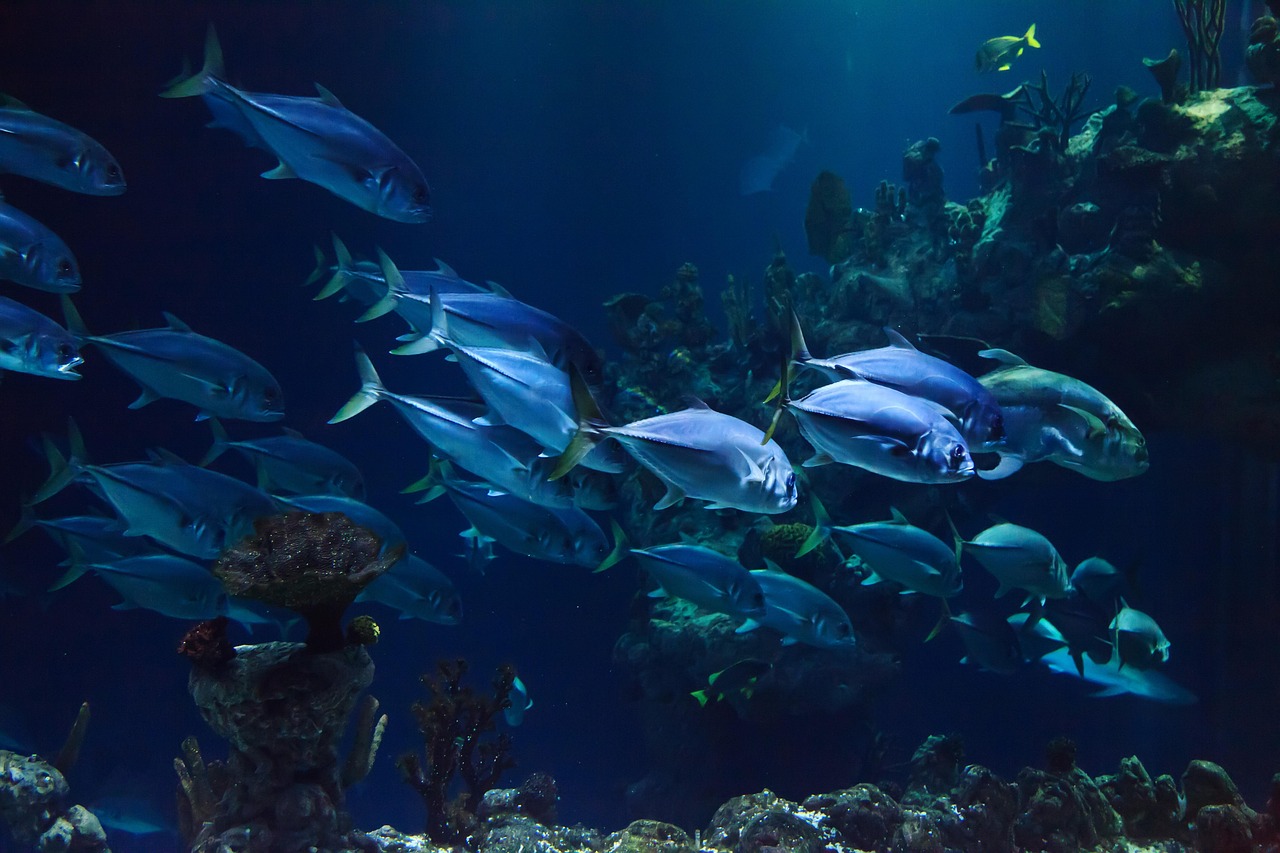
Coral reefs get called the ârainforests of the sea,â and that comparison holds up. They cover less than 1% of the ocean floor but support an estimated 25% of all marine species. That includes commercially important fish like snapper and grouper, plus the tiny invertebrates that form the base of the food web. The physical structure of a reefâbuilt over centuries by coral polypsâprovides nooks and crannies that act as nurseries for juvenile fish. Without those safe spaces, many species never reach adulthood.
Beyond biodiversity, reefs deliver services that are hard to replicate. They buffer coastlines from storm surge, reducing wave energy by up to 97%. Thatâs not a minor benefit when hundreds of millions of people live within 100 kilometers of a reef. They also help with nutrient cycling, maintaining water clarity and quality. When a reef degrades, the whole coastal system suffersâincluding the humans who depend on it.
Most people donât realize coral is an animal, not a plant or a rock. Each colony is a collection of tiny polyps that host symbiotic algae called zooxanthellae. Those algae provide up to 90% of the coralâs energy through photosynthesis. That mutualism makes corals so productive in nutrient-poor tropical waters. It also makes them sensitive to stress. When water temperatures rise, the algae can get expelledâa process called bleaching. If the stress sticks around, the coral dies. That fragility is why conservation isnât optional.
The Economic Case for Protecting Reefs
Coral reefs arenât just ecological assetsâtheyâre economic engines. A 2020 study by NOAA estimated that U.S. coral reefs alone contribute over $3.4 billion annually through fisheries, tourism, and coastal protection. Globally, that number likely tops $30 billion per year. Those arenât abstract figures. They translate into livelihoods for millions of people: dive operators, fishermen, hotel staff, boat captains.
Tourism is the most visible driver. Destinations like the Great Barrier Reef, the Maldives, and the Florida Keys depend on healthy reefs to attract visitors. A bleached or dead reef doesnât bring in divers or snorkelers. In parts of the Caribbean, reef-associated tourism accounts for more than 30% of GDP in some islands. When reefs decline, so do those revenue streams.
Thereâs also the less obvious financial benefit: storm protection. Researchers at UC Santa Cruz found that coral reefs reduce annual expected flood damages by more than $4 billion globally. By absorbing wave energy, reefs prevent erosion and property damage. Replacing that protection with artificial barriers would cost billions. When you hear about coral reef conservation importance, understand itâs also about fiscal sense.
How Reefs Support Global Fisheries and Your Seafood
If you eat fish, you have a direct stake in reef health. Coral reefs provide critical habitat for about a quarter of the world’s marine fish species, including many that end up on your plate. Grouper, snapper, parrotfish, and even some tuna species spend part of their life cycle on or near reefs. A healthy reef means more fishânot just for subsistence communities, but for global supply chains.
Overfishing is a major threat to reefs, but the relationship works both ways. When reefs are damaged, fish populations decline. That creates a feedback loop: fewer fish means more algae, which compounds reef degradation. One practical step you can take is to look for seafood certifications from the Marine Stewardship Council (MSC) or Aquaculture Stewardship Council (ASC). Those labels indicate the fishery or farm considers ecosystem impacts, including reef health. Itâs not a perfect system, but itâs a starting point.
Another thing to keep in mind: some of the most common fish in the aquarium trade are also reef species. If youâre a hobbyist, choosing captive-bred fish over wild-caught ones reduces pressure on natural populations. ORA and Biota are two brands that specialize in captive-bred marine fish. It costs a little more, but itâs a direct way to support reef conservation without leaving your home. For those setting up a saltwater tank, a saltwater aquarium starter kit can help create a healthy environment for captive-bred species.
Common Misconceptions About Coral Reef Conservation
Thereâs a lot of well-meaning but inaccurate information out there. Letâs clear up a few myths.
Myth 1: âCorals can recover quickly if we stop polluting.â Not exactly. Some species can grow up to 10 centimeters per year, but many grow less than 1 centimeter annually. Recovery from a major bleaching event can take decadesâif conditions improve. Even with aggressive conservation, many reefs are on a downward trajectory. Recovery requires not just stopping damage but proactive restoration.
Myth 2: âCoral is a plant.â I hear this from new divers and hobbyists all the time. Coral is an animalâa cnidarian, related to jellyfish and anemones. The plant-like appearance comes from the symbiotic algae living inside the coral tissue. Treating it like a plant leads to misunderstandings about its physiology and needs.
Myth 3: âOnly divers need to care about reefs.â False. The economic and ecological benefits extend to coastal communities far from diving hotspots. Storm protection affects property owners. Fisheries affect seafood prices. Even the carbon cycle is influenced by reef health. If you live near a coast, you benefit from reefsâwhether youâve ever seen one or not.
Myth 4: âReef-safe sunscreen is a marketing gimmick.â Some marketing is misleading, but the science is clear: oxybenzone and octinoxate harm coral larvae and contribute to bleaching. Effective reef-safe alternatives use non-nano zinc oxide or titanium dioxide. The key is reading the ingredients list, not just the label. More on that below.
Three Major Threats to Coral Reefs (And What They Mean)
Ocean Warming
The most immediate threat is rising sea surface temperatures. When water stays 1â2°C above the normal summer maximum for several weeks, corals bleach. Mass bleaching events have become more frequent since the 1980s. The 2016â2017 event on the Great Barrier Reef killed about 30% of its corals. What this means for you: if youâre planning a reef visit, choose a cooler time of yearâtypically late winter or early spring in tropical regions. Support policies that reduce carbon emissions as well.
Ocean Acidification
As the ocean absorbs more CO2, its pH drops. That makes it harder for corals to build their calcium carbonate skeletons. Weaker skeletons mean slower growth and less structural integrity. You wonât see this on a single dive, but over decades it compounds. What you can do: reduce your own carbon footprint and support organizations that fund research into acidification mitigation.
Pollution and Runoff
Agricultural runoff, sewage, and sediment from construction choke reefs. Excess nutrients fuel algae blooms that block sunlight and smother corals. In places like the Florida Keys, poor water quality has been linked to stony coral tissue loss disease. Practical action: avoid using fertilizers with nitrogen or phosphorus near waterways. Support local initiatives to improve wastewater treatment. On vacation, choose tour operators who follow responsible waste management practices.
These threats interact with each other. Warming weakens corals, making them more vulnerable to disease and pollution. The good news is that addressing even one threat can buy time for reefs to adapt.

What Conservation Looks Like on the Ground
Iâve visited a few coral restoration projects in the Caribbean and the Western Pacific, and they vary widely in effectiveness. The most promising approach combines active restoration with strong management. The Coral Restoration Foundation in the Florida Keys, for example, runs underwater nurseries where they grow fragments of staghorn and elkhorn coralsâtwo species that have declined by over 90% in some areas. Once the fragments reach a certain size, theyâre outplanted onto degraded reef patches.
Another model is the establishment of no-take zones, areas where fishing is permanently banned. Studies show that within a few years, fish biomass can increase by 200â400% inside these zones. The Seychelles and Belize have both implemented effective no-take zones that now serve as reference sites for recovery.
Coral gardeningâwhere hobbyists and researchers grow corals in tanks and transplant themâis also gaining traction. Groups like ReefCheck and SECORE International train local communities in these techniques. The takeaway: not all conservation is created equal. Look for organizations that use science-based methods and publish their results transparently.
How You Can Support Reef Conservation Without Diving
You donât need to get wet to make a difference. Here are concrete actions that have a direct impact:
- Switch to reef-safe sunscreen. This is the easiest win. Look for non-nano zinc oxide and avoid oxybenzone and octinoxate. Many sunscreens label themselves âreef-safeâ but still contain harmful chemicals, so check the ingredients.
- Reduce single-use plastics. Plastic waste often ends up in the ocean, where it breaks into microplastics that corals ingest. Using a reusable water bottle and a collapsible shopping bag is a great start. A reusable stainless steel water bottle is a practical alternative to single-use plastic.
- Donate to a reputable organization. Not all charities spend money wisely. Iâll break down a few good options in the next section, but at a minimum, check their transparency rating on Charity Navigator.
- Vote for policies that protect oceans. Support candidates and legislation that prioritize clean water, carbon reduction, and marine protected areas. Itâs not glamorous, but itâs effective.
- Choose sustainable seafood and aquarium fish. Every purchase is a vote for a particular industry. Support those that minimize harm to reefs.
The Best Reef-Safe Sunscreens for Travelers
Letâs get specific about the product category that matters most for anyone visiting a reef. Here are three sunscreens Iâve used and recommend, along with honest tradeoffs.
Thrive Bodyshield SPF 50+ â This is my daily driver. It uses non-nano zinc oxide and has a light, non-greasy feel. It goes on white but rubs in faster than most mineral sunscreens. The bottle is larger than typical travel sizes, so itâs better for a week-long trip. Check price on Amazon.
Manda Organic Sun Paste SPF 50 â This one is thicker and leaves a visible layer on the skin. I use it for long days in the water because it stays on well even after sweating or swimming. Itâs available in several tints. The downside is it can feel heavy. Check price on Amazon.
Stream2Sea Everywhere Mineral Sunscreen SPF 30 â Specifically formulated for aquatic environments, this one has been tested on coral larvae and shown no toxicity. Itâs available in a smaller tube that fits in a pocket. Itâs not waterproof for as long as some competitors, so reapply more often. Check price on Amazon.
What to avoid: Any sunscreen with oxybenzone, octinoxate, or octocrylene. These are the most common offenders. Even if it says ânaturalâ or âorganic,â read the label.
Essential Gear for a Responsible Reef Visit
If youâre planning a trip to a reef, pack these items to minimize your footprint and maximize comfort.
- Rash guard or sun shirt. Covers more surface area than sunscreen and reduces the amount of chemicals you need to apply. Look for one made from recycled materials. Brands like Patagonia and Baleaf offer affordable options.
- Reusable snorkel mask. A mask with a silicone skirt and a dry-top snorkel prevents leaks and fogging. The Seaview 180 is a popular choice. Itâs comfortable for long sessions and reduces the need for defogging sprays.
- Mesh bag for collecting trash. Many divers and snorkelers bring a small mesh bag to pick up debris they find underwater. Itâs a simple way to leave a reef cleaner than you found it. Packable mesh bags are lightweight and take up no space.
- Dive computer or depth gauge. For scuba divers, knowing your depth and time helps you avoid accidental contact with the reef. The Suunto D5 is a solid entry-level computer.
- Portable water filter. Reduces your reliance on single-use plastic bottles. The Grayl Geopress is robust and filters out pathogens and chemicals.
Comparing Conservation Organizations: Where to Donate
Before you give money to any organization, do a quick check on Charity Navigator for financial health and transparency. Here are a few Iâve vetted and why they stand out.
Coral Reef Alliance (CORAL) â They focus on integrated conservation strategies: improving water quality, establishing no-take zones, and working with local communities. Their overhead is around 15%, which is reasonable. They have a strong track record in the Mesoamerican Barrier Reef and Hawaiâi. Donate here.
Reef Check â Primarily a citizen science organization, they train volunteers to monitor reef health. Their data is used by governments and researchers. About 80% of donations go directly to program costs. Theyâre a good choice if you want to support data-driven conservation. Donate here.
The Nature Conservancy (TNC) â This is a larger organization with a broader focus, but their reef program is one of the best-funded. Theyâve helped establish millions of hectares of marine protected areas. Their overhead is higher (around 20%), but their reach is massive. Donate here.
SECORE International â This one is specifically for coral restoration. They develop and share techniques for growing corals in labs and outplanting them. Theyâre transparent about their methods and results. Donate here.
[Your local aquarium or university research program] â Often overlooked, but local institutions sometimes have targeted reef restoration initiatives that directly benefit your region. Check with your local aquariumâs conservation department.
A note on tax deductions: Donations to all the above organizations (except local university programs unless they are nonprofits) are tax-deductible in the U.S. Keep your receipts.

Mistakes I Made When First Getting Involved
Iâll be the first to admit I wasnât always smart about this. Early on, I bought a âreef-safeâ sunscreen that had oxybenzoneâthe label said ânatural,â but the ingredients didnât match. I learned to always check the active ingredients list. That bottle went in the trash.
I also donated to a smaller charity that later spent over 40% of its budget on fundraising and administration. That felt like a waste. Now I use Charity Navigator and only give to organizations where at least 80% of donations go to programs.
Another time, I visited a reef in the Philippines and, without thinking, used a disposable plastic bag to carry my belongings to the boat. I saw it drift into the water. I fished it out, but the lesson stuck. Now I bring a reusable dry bag everywhere. Those small mistakes taught me that good intentions arenât enoughâyou need to act deliberately. Thatâs why I emphasize checking labels and vetting organizations. Itâs not complicated, but itâs avoidable.
A Simple Plan to Reduce Your Impact This Year
You donât need to overhaul your whole life. Hereâs a four-step plan thatâs manageable for anyone:
- Audit your sunscreen. Check the ingredients of every product you currently use. If it contains oxybenzone or octinoxate, replace it with a mineral option. Find a replacement on Amazon.
- Reduce single-use plastics. Start with one change: swap plastic water bottles for a reusable one. Once youâve done that, tackle plastic bags, then straws. Each step is small but cumulative.
- Support one organization. Pick one from the list above. Set up a recurring monthly donation of $10 or $20. Itâs more impactful than a one-time gift because it provides consistent funding.
- Plan one responsible reef visit. If you travel, choose a destination with a strong conservation record. Look for tour operators that follow best practicesâno touching coral, no anchoring on reefs, and using mooring buoys.
Pick one step this week. Just one. Once itâs a habit, add the next. The goal is progress, not perfection.
Next Steps: Your First Move for Reef Conservation
You now have a clear understanding of coral reef conservation importance and a concrete list of actions. The single most effective thing you can do today is replace your regular sunscreen with a reef-safe version. Check the top reef-safe sunscreens on Amazon here. Itâs a small change that directly reduces chemical pollution on reefs. If you want to do more, pick one of the charities listed and set up a donation. Start with that. Youâll be surprised how quickly small changes add up.